The sign in your yard is helpful, but it is only the start. The right plan can make strangers feel like your sale is meant for them.
When people know exactly what they will find, they show up with cash in hand and a smile on their faces.
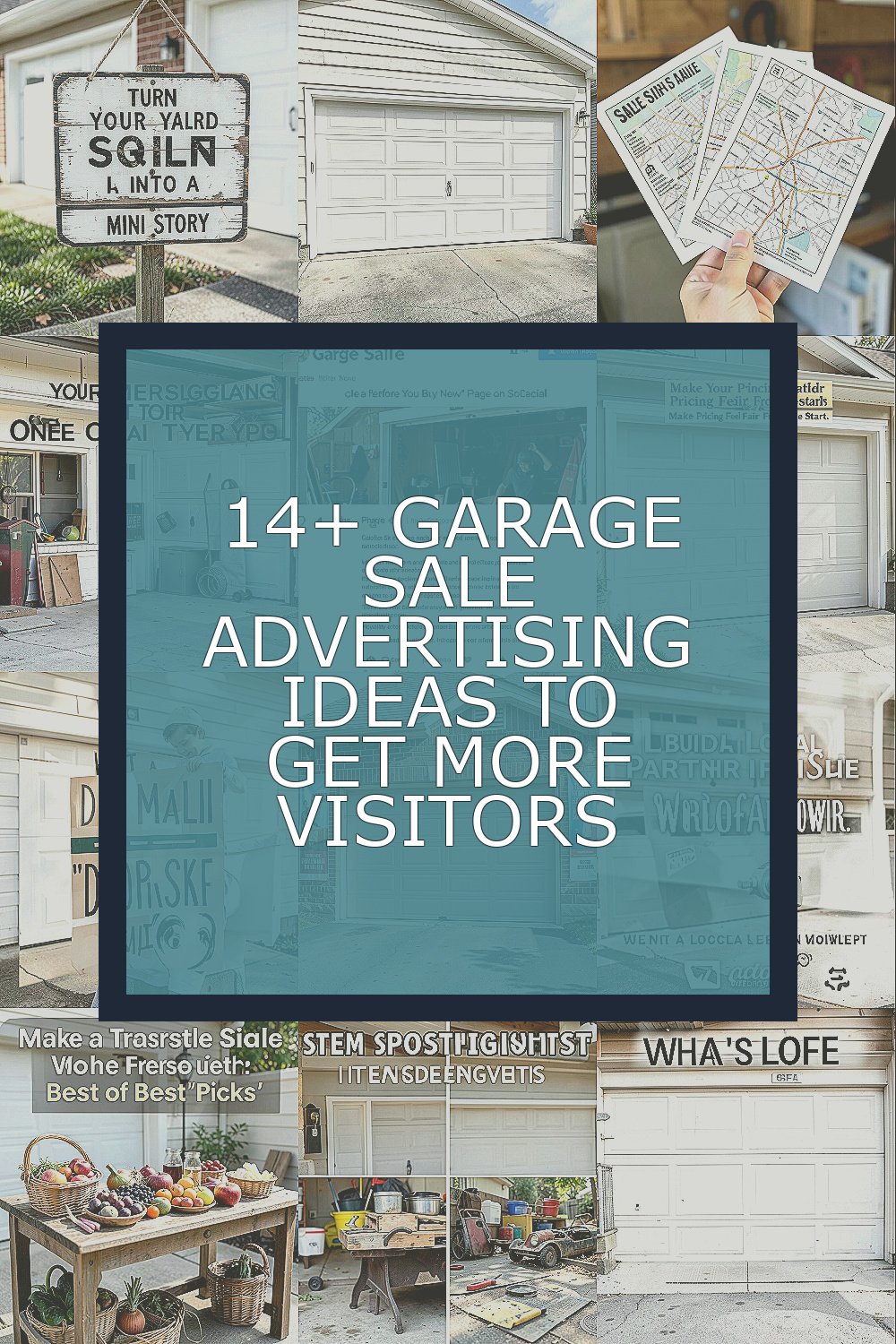
1. Turn Your Yard Sign Into a Mini Story
Start with a yard sign that feels like an invitation, not a warning. Use bold wording, a clear arrow, and a simple theme like “Vintage Home Finds” or “Kids Stuff Galore.”
To make it visual, add a small printed icon set such as a rocking chair, a wagon, or a stack of books. Consider adding the best one or two categories in large letters so drivers instantly get the point without slowing down too much.
2. Use Real Photos on Every Platform
People trust what they can see, so take photos in bright daylight. Lay items on a clean sheet, straighten them, and include a close-up plus a wider shot that shows how much you have.
For uniqueness, mix the usual piles with staged moments, like a neatly set table with matching dishes or a small “reading corner” with lamps and books. Posting these pictures on social media and neighborhood groups helps your listing feel specific and worth clicking.
Try posting in the morning on sale week, then again the day before, and a final time on sale day. Keep it practical by keeping your caption short and pointing people to your address and sale hours.
3. Hand Out Flyers With a Map-Only Back
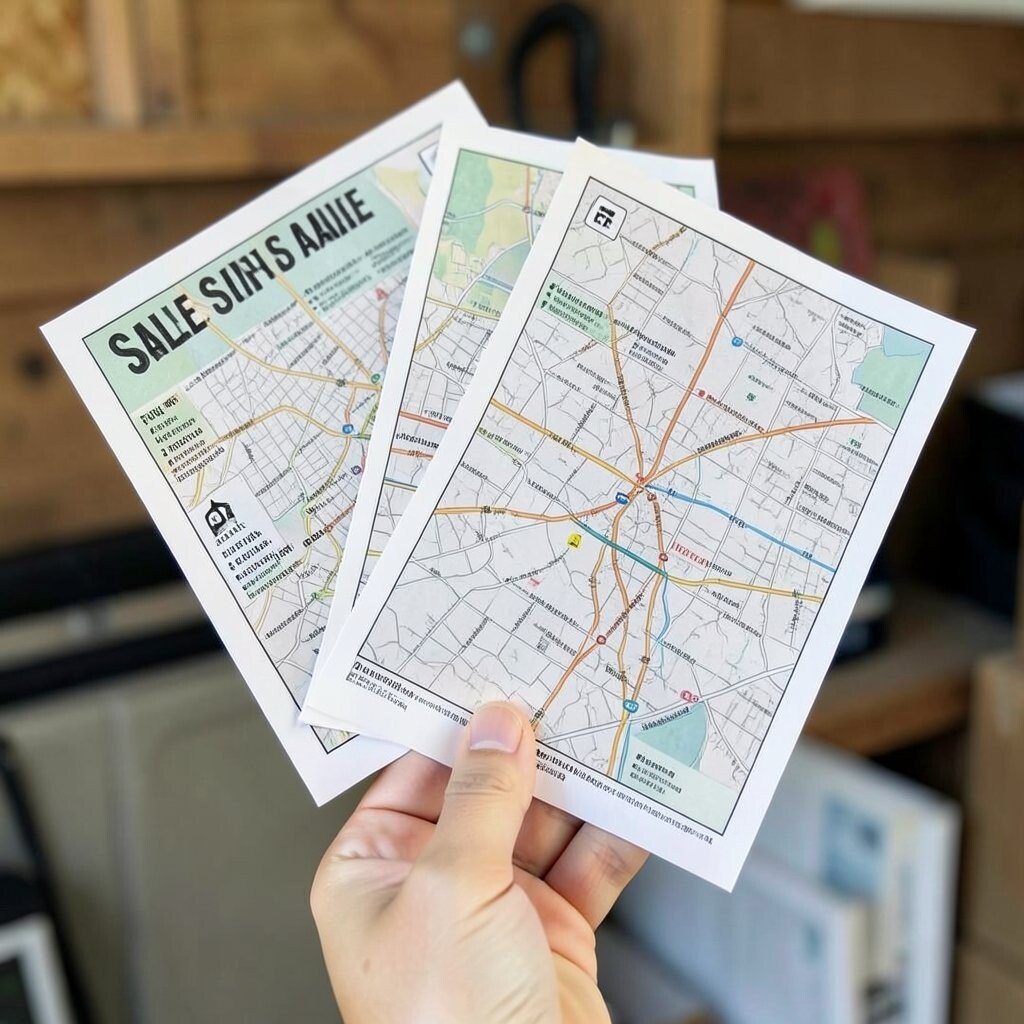
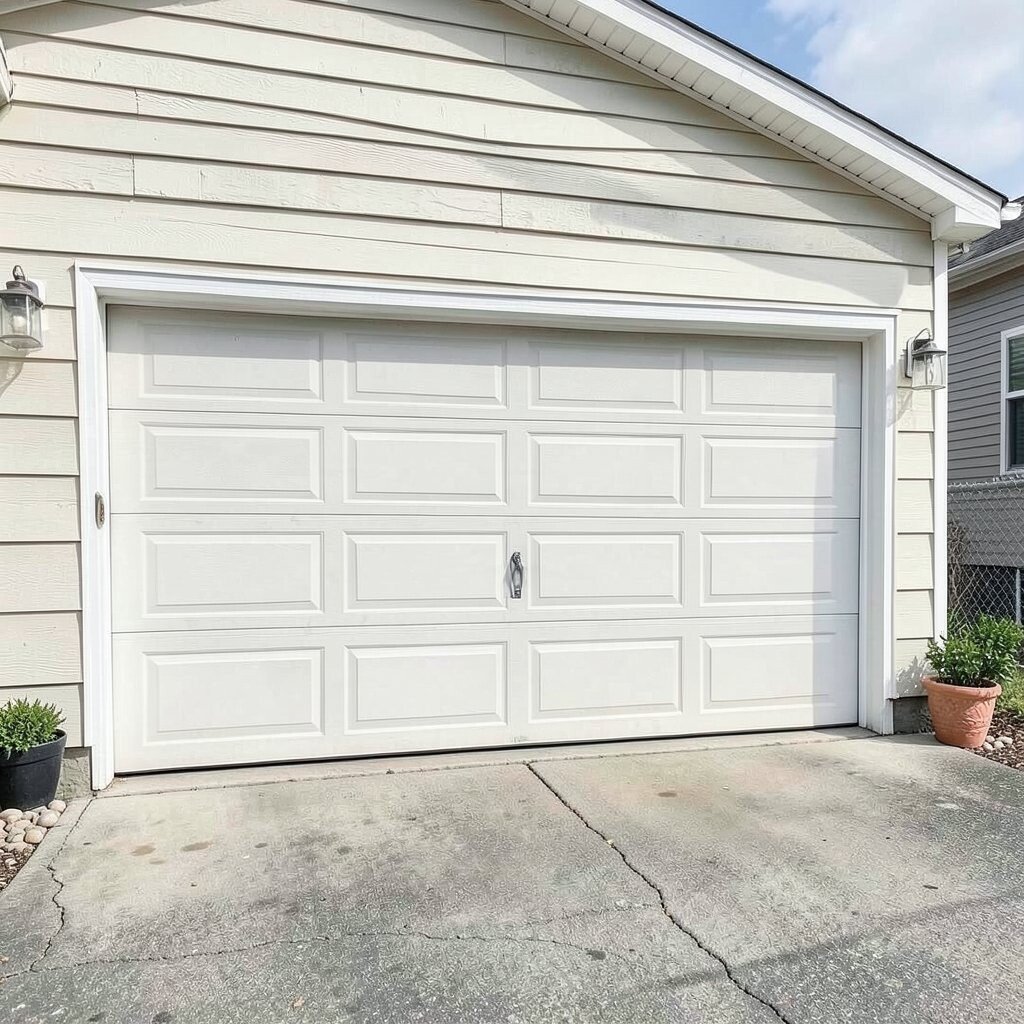
Design a flyer that is easy to scan while someone is walking to their car. Use simple text, a big date line, and a clear street landmark like a nearby park or school.
Then make the back side a clean, readable mini map with a bold route path. If your neighborhood is confusing, this tiny extra help can be the difference between showing up late or not showing up at all.
Include two categories that match what people love to browse, such as tools, clothing, or kitchen items. Personalize the flyer by using wording that fits your crowd, like “baby gear” if you recently welcomed a little one.
Keep costs low by printing in black and white and using thick paper so it does not curl in the wind.
4. Aim Your Messaging at One Clear Buyer Type
Instead of saying everything is for sale, choose one main shopper group and speak to them. Think about a person who would actually get excited, like a craft hobbyist, a student, or a parent building a starter home.
Write your descriptions so they match that person’s goals, like “easy arts and supplies” or “school-ready gear.” This makes your sale feel unique because it is curated, not random.
Add small practical details such as sizes for clothing, power cord availability for electronics, or brand names for tools. When you share those facts, visitors do not have to guess and they arrive with confidence.
5. Create a “Before You Buy New” Page on Social Media
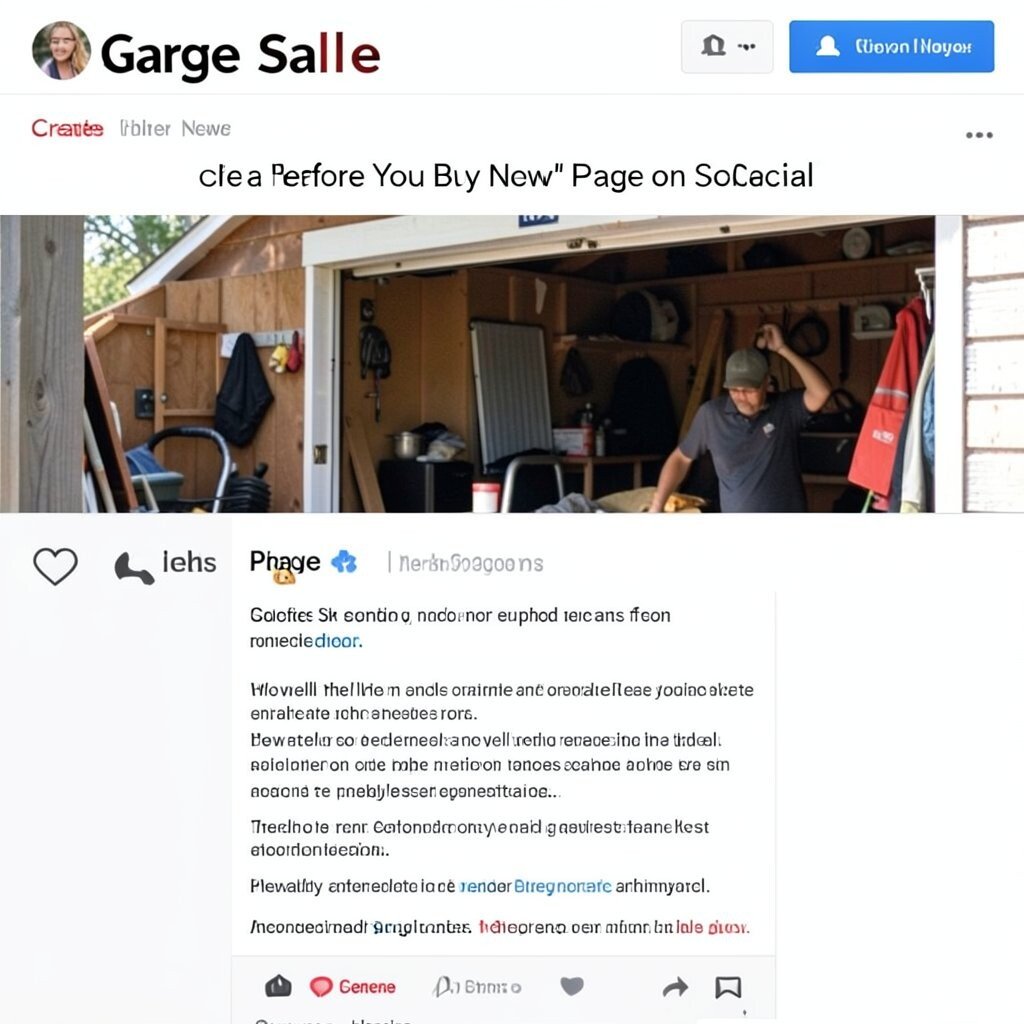
Post like a friend, not like an ad that scares people away. A social media post can include photos, a quick list of top categories, and your reason for selling, such as downsizing or clearing space.
For current trends, many shoppers now look at stories and short videos, so film a quick walk-through of your best tables. Move slowly, point to items you think people will want most, and show prices if you can.
Personalize the page by pinning your post so it stays at the top of your profile. If you repeat the same categories in every post, people will start recognizing your sale style and plan around it.
6. Make Your Pricing Feel Fair From the Start
Clear pricing lowers stress, which makes people more willing to browse. Use simple price tags, keep them easy to find, and group items by type so shoppers can move quickly.
If you can, show a small sign about discounts like bundles for clothing or a small deal when someone buys multiple puzzles. This encourages visitors to spend time searching and often increases the number of items they take home.
Plan your cost side too by checking what similar items sell for online and at local thrift shops. If you price slightly under average, you will attract bargain hunters while still protecting your time.
7. Host a Small “Door Prize” Without Making It Complicated
A door prize adds excitement, but it works best when it is simple and quick. Choose a low-cost item with good visual appeal, like a fun coffee mug, a small toy, or a decorative plant pot.
Let people know they can enter by picking up a sticker or writing their name on a small sheet. This is practical because it gives you a way to count interest and helps you thank visitors without long conversations.
For uniqueness, match the prize to your theme, like a gardening kit for a yard filled with plants. Keep it friendly by making the prize something you would be happy to win yourself.
8. Place Temporary Banners at the Right Corners
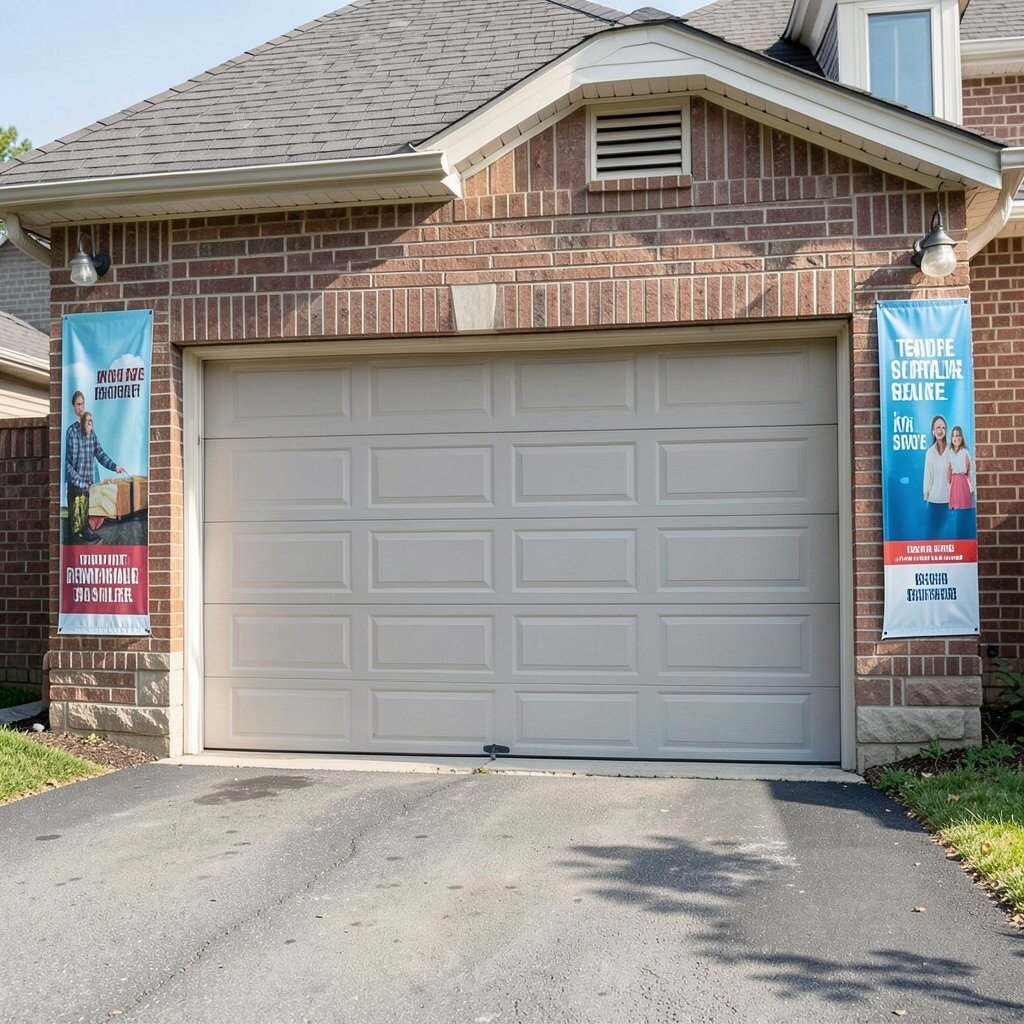
If your driveway is not easy to spot from the main road, use temporary banners to guide traffic. Put one banner where people need to make the turn, then place another farther down if your area has frequent intersections.
Make the message big and readable from a distance with thick lettering and a bright color background. A visual arrow plus “Garage Sale Today” reduces confusion and encourages people to pull in.
Consider costs by reusing banner material from prior events and avoiding expensive printing when simple text will work. When you keep the design consistent across signs, your sale feels more organized and real.
Remove the banners right after the sale ends so neighbors do not feel bothered and your next event will feel welcome.
9. Build a Local Partner List for Word-of-Mouth
Start with people who already share similar interests in your neighborhood. Ask nearby crafters, teachers, daycare families, or sports groups if they would like a photo and a quick invitation.
Offer a small perk for sharing, like a chance to claim a free bundle of small items once the sale begins. This personalization makes your request feel human and increases the chance someone actually helps.
For practical outreach, message first thing in the morning on a weekday, then follow up the day before. Keep it low-cost by relying mostly on digital sharing and just one or two printed flyers for key partners.
10. Make a Treasure Table With “Best of the Best” Picks
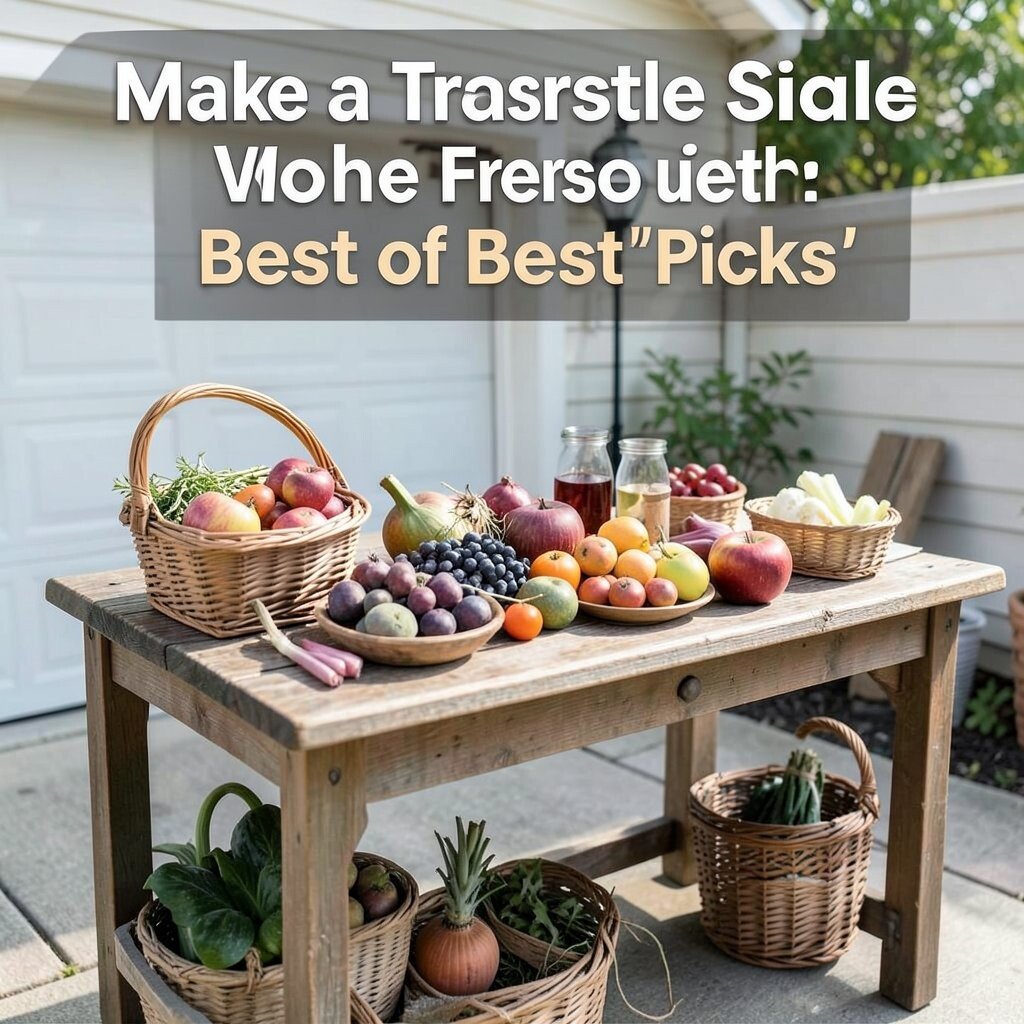
Shoppers love a spot that promises the good stuff, so create a treasure table with your most eye-catching items. Put them front and center, wipe them clean, and arrange them so they look like a showroom, not a storage area.
Use visual variety by mixing shapes, like stacking games, hanging handbags, and grouping small décor together. This helps people browse longer because their eyes keep finding new things.
Make it actionable by writing “Top picks” on a small sign and keeping those items priced fairly. If you have a few higher-demand brands, place those items here so visitors do not miss them.
For cost considerations, use items you already own to stage the table, like a folding cloth, a ladder shelf, or a clean board as a background.
11. Use “Item Spotlights” in Short Videos
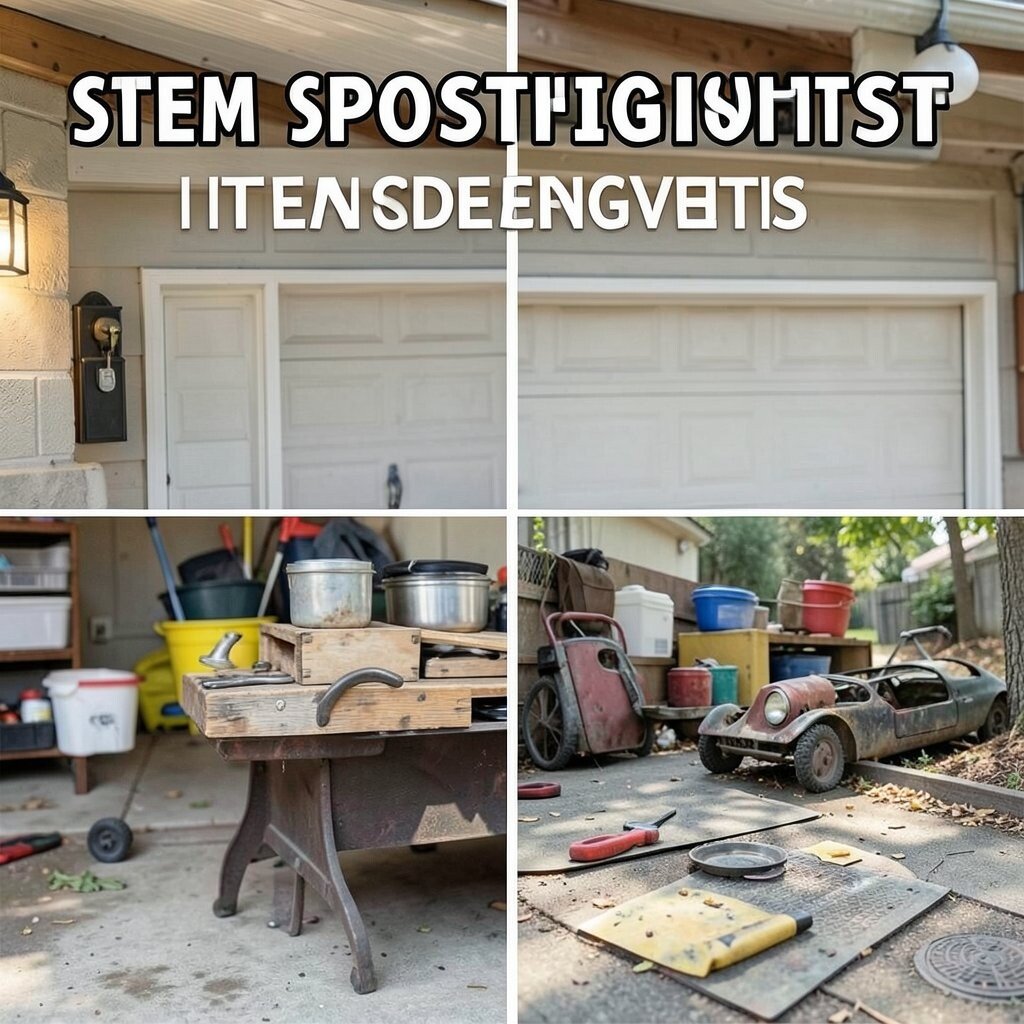
Short videos can grab attention faster than a long post, especially when people scroll on their phones. Record quick clips of three different categories, then add a simple end frame with your address and hours.
To make it engaging, hold each item for a moment, show the details, and place it back neatly so it looks cared for. This visual care signals quality and makes your sale feel trustworthy.
When relevant to current trends, shoppers often search for specific styles, like retro kitchenware or modern lighting. If you have those items, mention the style in plain words and show the piece clearly.
Keep it practical by using your phone’s default camera and filming in good daylight near a window or porch.
12. Create a “What’s Left” Update for Last-Minute Visitors
Many people plan to browse only if something good remains, so share updates during the sale. Post a few pictures of the remaining items after the first rush, and keep describing what is still available.
This approach benefits you by reducing wasted time on asking “Is it still here?” and it helps buyers feel like they caught a live moment. It also keeps your sale interesting for people who missed the first wave.
For personalization, you can post in a friendly tone like “These are the best remaining finds right now.” Include a small sign at the tables as well, so visitors who do not check social media still get the message.
Consider cost too by not printing extra material and instead relying on your phone for quick updates.
13. Offer Bundle Deals That Make Math Feel Easy
Bundle deals encourage visitors to buy more while keeping your workload manageable. Group items by size, theme, or set, like “kids books,” “bathroom décor,” or “small tool kit pieces.”
Make the deal clear and simple by using a handful of fixed options, such as “pick any three” or “mix and match under one total.” Shoppers love knowing the rules without having to negotiate.
To keep your money side safe, choose bundles that include items you want to move fastest and price them slightly above your minimum. That way, the bundles feel generous but you are not losing out.
Personalize the bundles based on your home life, like seasonal items, sports gear for a local league, or holiday décor that people always want later.
14. Place a “Bring a Friend” Sign Near High-Interest Items
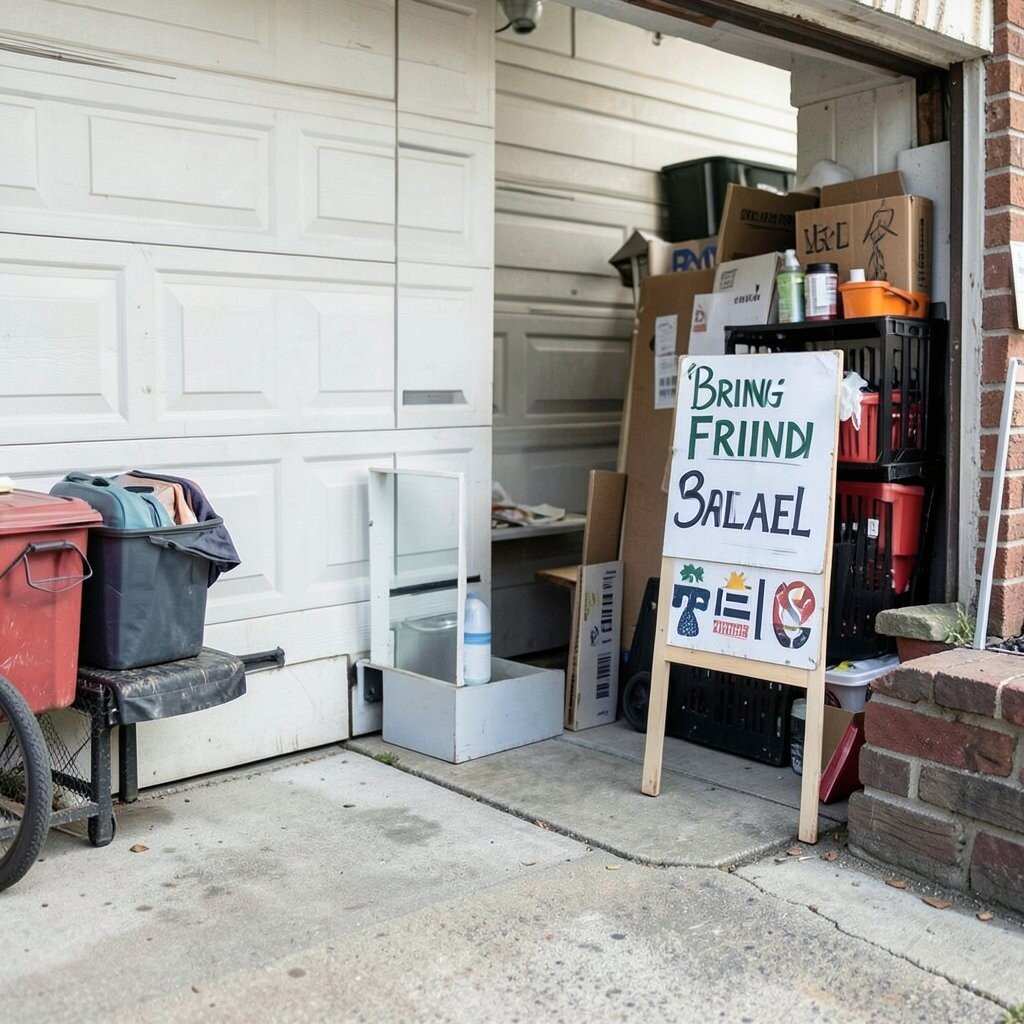
High-interest items deserve special attention, so place a small sign near them that encourages sharing. You can invite visitors to bring a friend to compare sizes, check authenticity, or decide on matching sets.
For uniqueness, highlight a few “matchmaker” items like matching lamps, coordinated dishware, or a set of framed photos. When people see the possibility of making a perfect pair, they linger longer.
Keep it practical by making sure shoppers can easily reach and examine items without asking you to move everything. If you need to step away, arrange the table so most items are visible and accessible.
This also supports personalization since you know your inventory best and can guide attention toward the items that fit your style.
15. Follow Up After the Sale With a Friendly Second Chance
Some visitors show up at the last moment, but others miss your sale date entirely. Keep the goodwill by posting a short message after the sale saying what is left and whether you are open to quick local pickup.
To keep costs low, use the same photos you already took and just update availability. This works well with current trends because people often save posts and return later when they have time.
For uniqueness, you can invite specific groups, like “teachers who need supplies” or “new homeowners searching for basics,” depending on your items. Personalize the message by mentioning a few standout pieces and when pickup can happen.
When you make the second chance easy, you reduce leftover clutter and you turn your sale into a positive neighborhood story.