The grain tells stories if you’re willing to slow down. Simple, untreated reclaimed wood can look warm, honest, and full of character.
When you skip heavy coatings, you keep the wood closer to how it was found, with color shifts and texture that feel real. The right preparation and design choices make it easy to get that natural style in your home without fighting the material.
1. Barn-Beam Shelves With Visible Knots

Picture a shelf made from an old barn beam, with dark knots like tiny islands in a light sea of grain. You can almost feel the history when you run your hand along the surface.
Untreated reclaimed wood brings a cozy look that pairs well with simple decor and warm lighting. If you want it to stay practical, plane any rough edges and sand just enough to remove splinters while keeping the natural texture.
2. Weathered Plank Coffee Tables

A reclaimed plank coffee table can show subtle gray tones and sun-faded edges that look like they came from a roadside shed. The top can look slightly uneven in a way that feels charming, not sloppy.
Without coatings, the wood keeps its old, matte character, which works beautifully in modern farmhouse rooms. For everyday use, choose a sturdy design with legs that handle weight, and use felt pads under décor and mugs to prevent quick wear.
If you worry about mess, keep a wipeable tray for coasters and small items, so liquids don’t sit directly on the grain. The natural look also makes it easy to match other materials like linen, stone, and metal hardware.
3. Reclaimed Pallet Slat Wall Art
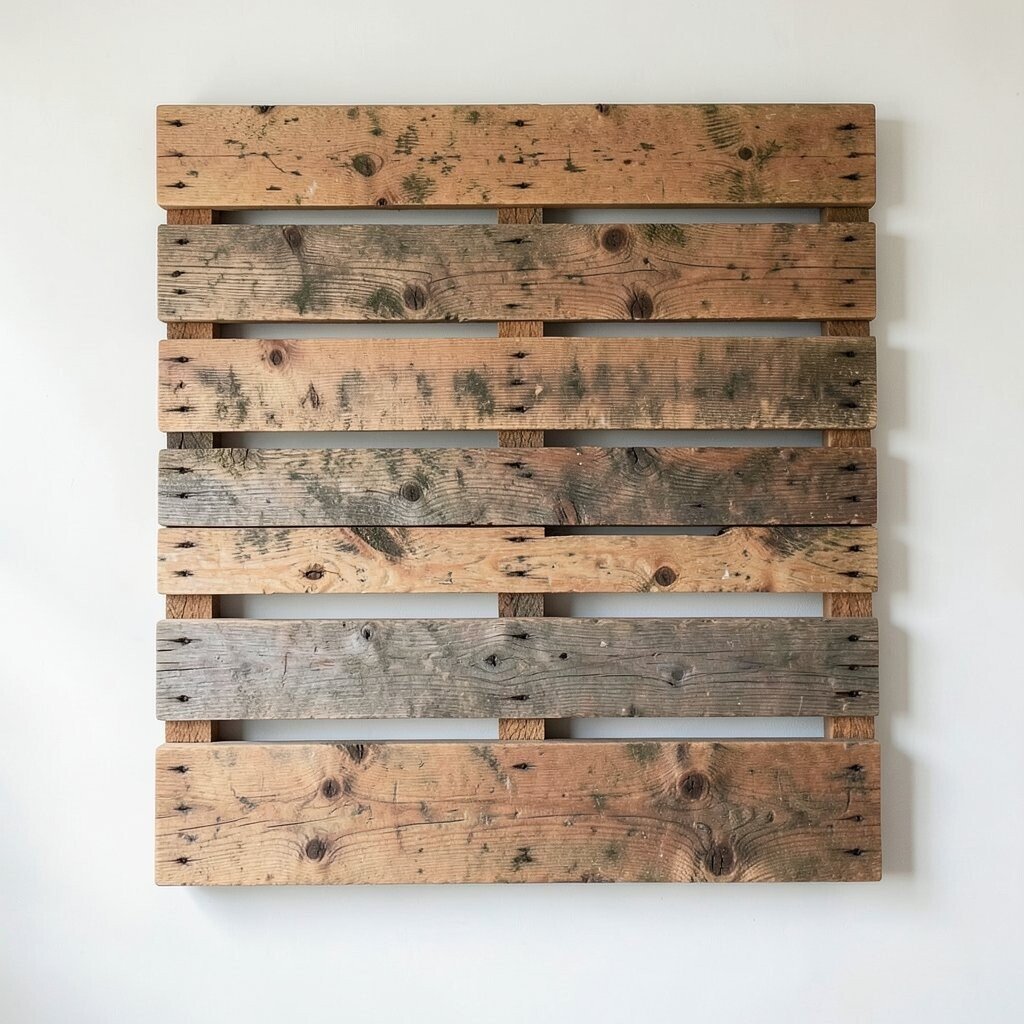
Thin pallet slats stacked into a wall panel can create a soft rhythm of stripes and gaps. You might see nail holes, paint traces, and uneven weathering that make every piece feel personal.
Using wood without coatings helps the surface look raw and grounded, which is a big trend in relaxed interior styles. To keep the pieces from snagging, lightly sand each slat’s edges and remove any loose splinters before mounting.
You can personalize the layout by mixing wider and narrower slats, or by leaving some sections darker. For cost, pallet wood is often budget-friendly, but remember to factor in fasteners, backing boards, and your time for careful cleaning.
Pair the wall art with a simple gallery of framed photos in matching warm tones for a calm, natural vibe.
4. Untreated Fence-Board Headboards

An old fence-board headboard can bring a quiet, rustic feel to your bedroom. You’ll notice tiny grain lines and weathered color that feel softer than polished furniture.
Reclaimed wood used without coatings keeps its natural matte finish, and that makes the room feel less “decorated” and more lived-in. Secure the boards well to the frame, and check for any loose nails or warped sections so the headboard stays safe.
To add comfort, use a sturdy foam-backed pillow arrangement rather than leaning directly on rough grain. If you want a slightly brighter look, select boards with lighter weathering for the center and darker boards on the sides.
5. Natural Wood Mantel With Oil-Only Finish

A mantel built from reclaimed wood can look striking even when you keep the surface simple. Old planks often show layered color, like warm browns under a dusty veil, and that makes the fireplace area feel inviting.
Going without coatings means you avoid glossy, plastic-looking surfaces and keep a more breathable, natural feel. If you’re trying to keep things practical, choose a product approach that follows your comfort level for protection, then wipe on thin layers so you don’t over-saturate the grain.
You can personalize the look by leaving the mantel’s original edges intact and pairing it with a sleek metal fire screen. For cost planning, compare the price of reclaimed boards to a standard mantel, then decide how many feet you truly need for the look you want.
6. Shed-Door Entryway Bench With Texture

An entryway bench made from reclaimed shed door panels can look both tough and welcoming. You might spot hinge marks, old hinge discoloration, and faint scratches that catch light in a gentle way.
Untreated wood keeps that “picked up along the way” charm that’s popular right now in natural interiors. For practical use, make sure the seat boards are tightly joined and use a solid base so the bench doesn’t wobble under bags and shoes.
7. Driftwood-Like Reclaimed Sideboard

Some reclaimed wood comes with edges that look like driftwood, even if it didn’t come from the sea. When you place those boards into a sideboard design, the whole piece looks relaxed and coastal without trying too hard.
Without coatings, the surface stays soft-looking and matte, which helps it blend with neutral walls and woven textures. Consider sealing only where you expect heavy contact, like drawer pulls, while keeping the rest looking natural.
For personalization, choose a hardware color that matches your room, such as aged bronze or simple black. If you want to keep the cost down, build with reclaimed frames and add a few new components only where strength matters most.
8. Untreated Wine Rack From Old Beams

An old beam cut into a wine rack can look bold, especially when you keep the surface natural. The grain may run straight or swirl, and the darker knots can add a strong focal point.
Natural style benefits from materials that show age, and a reclaimed wood rack does that better than smooth manufactured boards. Make it practical by sanding the inside edges of bottle slots and spacing them so bottles don’t scrape and chip over time.
You can personalize the height by choosing beam sections that match your bottle sizes, then add a small ledge for notes or cork tools. When planning cost, remember that a thicker beam can be pricey, so mix thick boards for the frame with slimmer pieces for the slots.
9. Reclaimed Wood Dining Table With Honest Edges
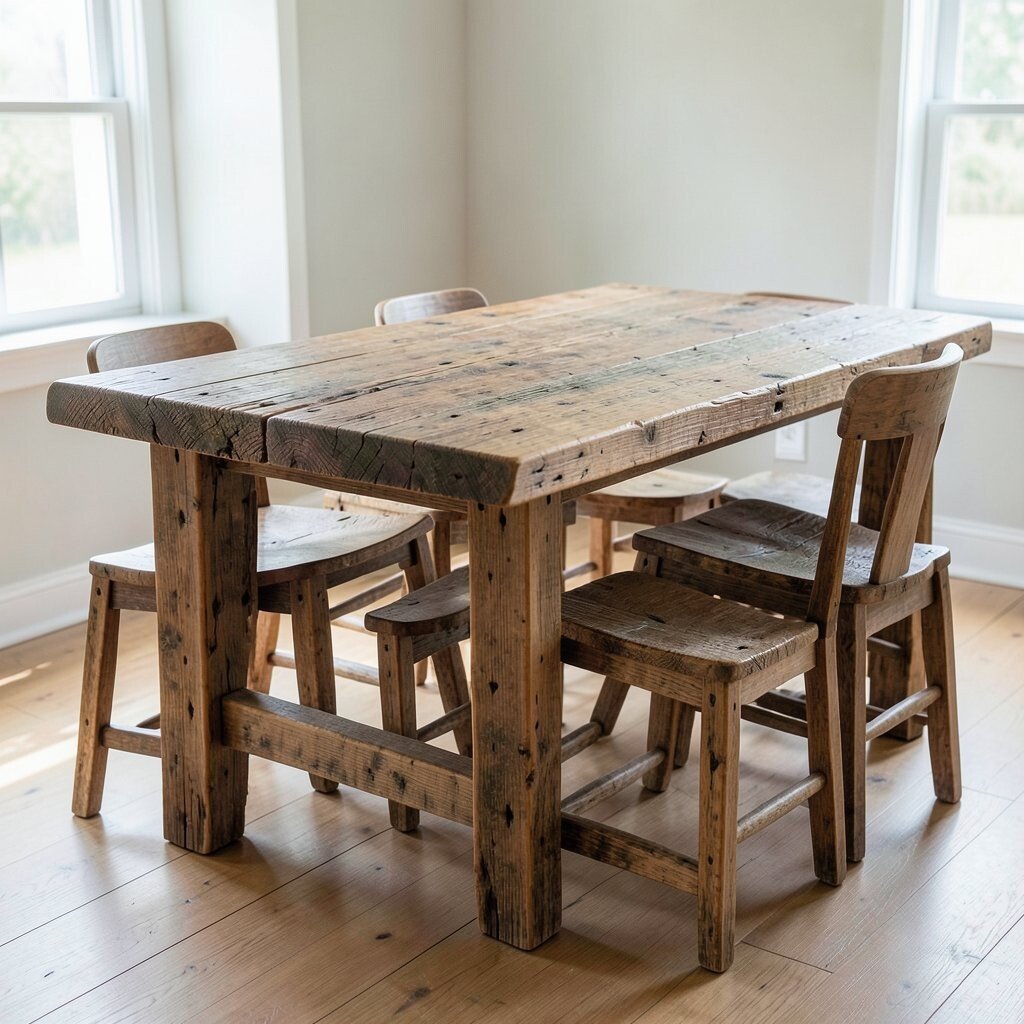
A reclaimed wood dining table with honest, slightly uneven edges feels like the center of the room. You can see how each plank joined to the next, and the color differences look natural rather than random.
Keeping the wood without coatings helps it stay visually warm and not overly shiny, which suits current earthy design trends. For durability, choose a stable build with strong joinery, and protect it from standing water by using coasters and wiping spills right away.
10. Pallet Storage Credenza With Open Cubes

A pallet storage credenza with open cubes can give you a “see-through” organization feel that still looks rustic. The slats can create a grid pattern, and the uneven board tones make each shelf look like it has its own personality.
Untreated reclaimed wood keeps the texture lively, which many people love for casual, natural homes. To make it practical, attach a backing and reinforce corners so the structure handles daily use, especially if kids are around.
Personalize by leaving some boards in their original darker state for contrast, or by mixing in lighter reclaimed planks. For cost, pallet wood can reduce material expenses, but budget for thorough cleaning and extra fasteners to keep everything sturdy.
11. Natural Wood Floating Bedside Shelves

Floating bedside shelves made from reclaimed wood can look delicate while still holding real items. You might notice tiny nail holes and grain lines that look like art when lit from the side.
Without coatings, the surface keeps its soft, matte character, which pairs nicely with warm lamps and neutral linens. Install them with secure brackets so they don’t sag, and sand the top surface until it feels smooth for reading glasses and books.
You can personalize by adding small compartments using narrower strips, or by leaving the shelf face rough for a more rustic look. If you want a lower budget, look for thinner reclaimed boards that still have great grain.
Finish the vibe with a simple ceramic tray for everyday essentials so the shelf stays tidy.
12. Reclaimed Ladder Shelf For Plants

A reclaimed ladder shelf can bring height and charm while keeping your plant area interesting. The wood rungs often show aging marks, and the rails can look like they were built for a different purpose long ago.
Using reclaimed wood without coatings keeps a natural, earthy palette that matches green leaves beautifully. For practical tips, make sure the ladder is securely anchored to the wall if it gets top-heavy, and place drip trays so water doesn’t soak into the grain.
You can personalize the arrangement by using different plant pot sizes across the rungs for a layered look. If cost is a concern, reuse the ladder frame and buy only the shelf brackets or simple plant stands where needed.
13. Untreated Door Salvage Wall Rails
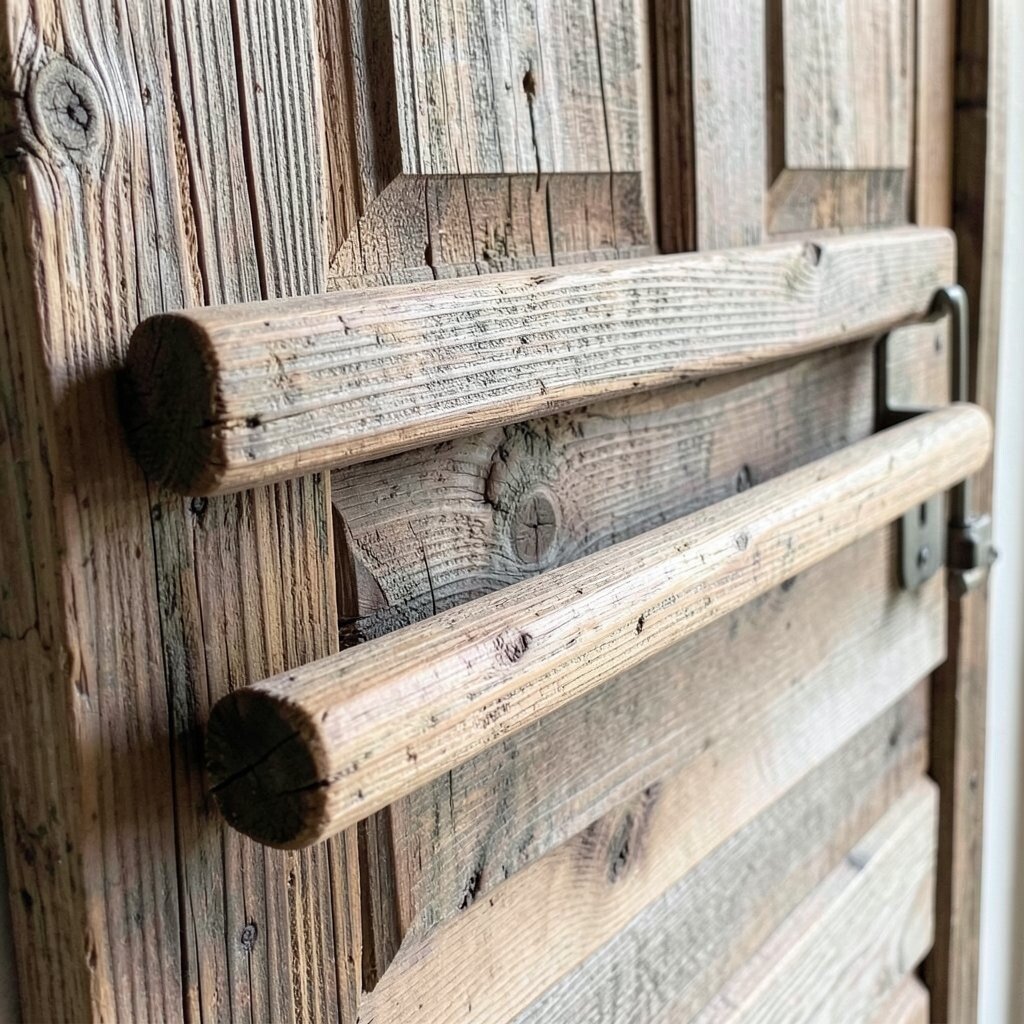
Wall rails made from reclaimed doors or door panels can look like functional art. You can see carved panels, old hinge impressions, and subtle color variations that catch sunlight in a gentle way.
Natural style benefits from visible wear because it adds depth without needing extra decoration. Sand areas that touch hands or hangers, and mount the rail firmly so it holds coats without pulling away.
Personalize by choosing rails with interesting panel shapes, then match hooks in a finish you already have in your space. For cost, salvage doors can be cheaper than custom wood, but factor in the work of cleaning and cutting to fit.
14. Reclaimed Wood Bench Seating Under Windows

A window bench made from reclaimed wood boards can make a room feel instantly cozier. The grain may run through the seat and backrest, and the weathered color adds warmth even before you add pillows.
Without coatings, the wood keeps a natural, understated finish that works with curtains, rugs, and layered textures. Make it practical by sealing seams with proper joinery and using removable cushions so spills don’t reach the wood easily.
15. Natural Wood Jewelry Organizer With Slotted Boards

A reclaimed wood jewelry organizer can look like a miniature display using slim boards and small slots. You’ll love seeing tiny tool marks, grain knots, and old stains that create depth behind your favorite pieces.
Skipping heavy coatings keeps it looking honest and tactile, which feels right in current natural interiors. For practical tips, sand the edges of each slot carefully, and line areas where jewelry might scratch to keep small items safe.
You can personalize by carving simple initials, using different wood tones for sections, or adding small pegs for necklaces. Cost can stay low if you use scrap reclaimed planks and only buy the hooks and finishing supplies you truly need.
Keep it functional by adding a shallow tray section for rings and small clips.
16. Untreated Reclaimed Wood Flooring Accent Strips

Reclaimed wood accent strips can add warmth to a plain floor, especially in entryways or around fireplaces. Even narrow boards can show dramatic grain changes and old nail patterns that make the area feel special.
Natural benefits show up in how the wood visually softens a room, making it feel less cold and more lived-in. For practical steps, plan spacing carefully and secure the boards properly so they stay flat as the home changes humidity.
Personalize by choosing a pattern that feels like you, such as simple straight lines or a slight stagger that guides the eye. Cost matters here because installation labor can add up, so compare a DIY approach with a contractor quote before committing.
17. Reclaimed Wood Towel Rack With Unique Stain History
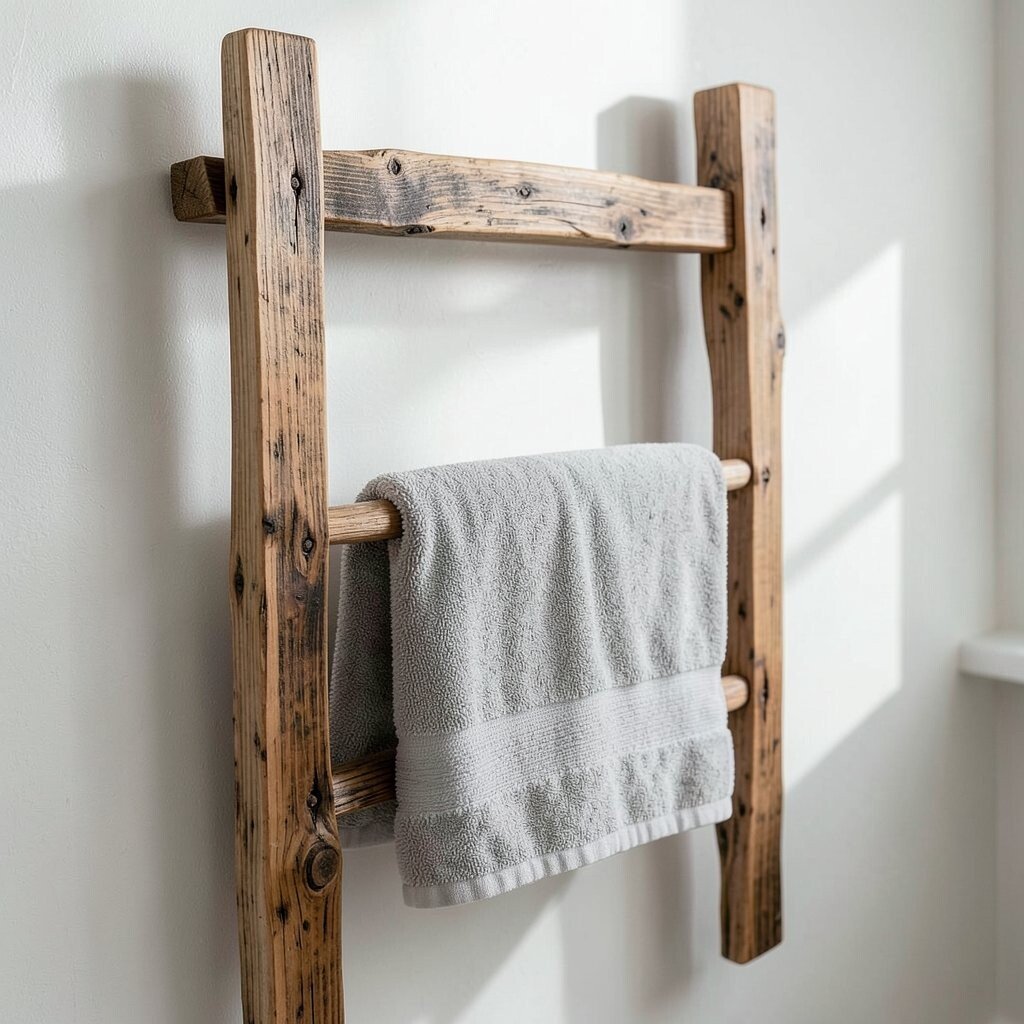
A towel rack built from reclaimed wood can look charmingly imperfect, with color shifts that come from its past life. You might see faded patches that resemble clouds, and those subtle changes make the rack feel one-of-a-kind.
Without coatings, the wood keeps a matte, natural feel that blends with linen towels and textured walls. For practical use, keep the rack in a drier area when possible, or improve protection where splashes happen most by adjusting your placement and spacing.
Personalize by sanding down high ridges while leaving gentle marks for character. If you’re watching cost, use reclaimed scrap for the rack itself and add only the brackets or wall anchors that meet your load needs.
Pair it with a small shelf below for folded towels so everything looks intentional.
18. Natural Wood Picture Ledge From Reclaimed Planks

A reclaimed plank picture ledge can hold photos, art, or seasonal cards with a warm, rustic presence. The wood may show old marks and slight color banding that frames your memories like a gallery wall.
Using wood without coatings keeps the surface grounded and matte, which makes the display feel calm instead of shiny. Make it practical by checking how deep the ledge needs to be for your frames, and ensure the mounting points are level and secure.
You can personalize the ledge by mixing frame sizes, adding small decorative objects, or carving a subtle notch line for a tidy edge. Cost is often manageable because ledges can be built from shorter reclaimed sections, especially if you only need a narrow footprint.
To keep it looking fresh, rotate items by season and clean gently so the wood stays beautiful over time.