A garage sale feels like turning chaos into something you can hold. When you’re ready with the right pieces, the day runs smoother and looks better too.
1. The Clear Pricing System

Good prices stop the nervous guessing and keep shoppers moving. Use a simple method like neat tags, matching colors, or a small price board near the entry.
Write numbers big enough to read across the driveway, and keep them consistent across similar items. You’ll save time at the start and reduce back-and-forth questions later. If you want flexibility, create a few “bundle” prices for sets so offers don’t derail your plan.
2. A Reliable Table Setup

Tables turn a messy pile into an inviting display. Place your most eye-catching items on the highest surface so people spot them fast.
Use sturdy folding tables or even bed frames with blankets if you’re on a budget. A clear surface also makes it easier to group items by type and keep them from getting lost.
Keep table edges tidy so the whole area looks cared for, not rushed. If rain is possible, set up a sheltered corner ahead of time with tarps and clips so you can stay calm all morning.
3. Quality Signage That Points the Way

Signs act like a quiet salesman, guiding people toward you. Add arrows and bold wording on poster boards or yard signs so drivers can see from the street.
Hang one sign at the road, and another near the driveway entrance so guests don’t circle looking. You can also use removable chalk on sidewalks if your town allows it.
Choose colors that pop, like bright yellow or neon green, because daylight can fade lighter paper. If you’ve got items aimed at a specific crowd, reflect that in your sign wording so the right shoppers feel welcome.
4. Clean, Catchy Display Covers

Even a simple blanket can make items feel special. Use tablecloths, fitted sheets, or plastic bins with lids to keep everything looking neat.
When you cover items, shoppers don’t feel overwhelmed by clutter. It also protects fabrics from dust and helps small parts stay together.
5. Strong Storage Bins and Sorting Trays
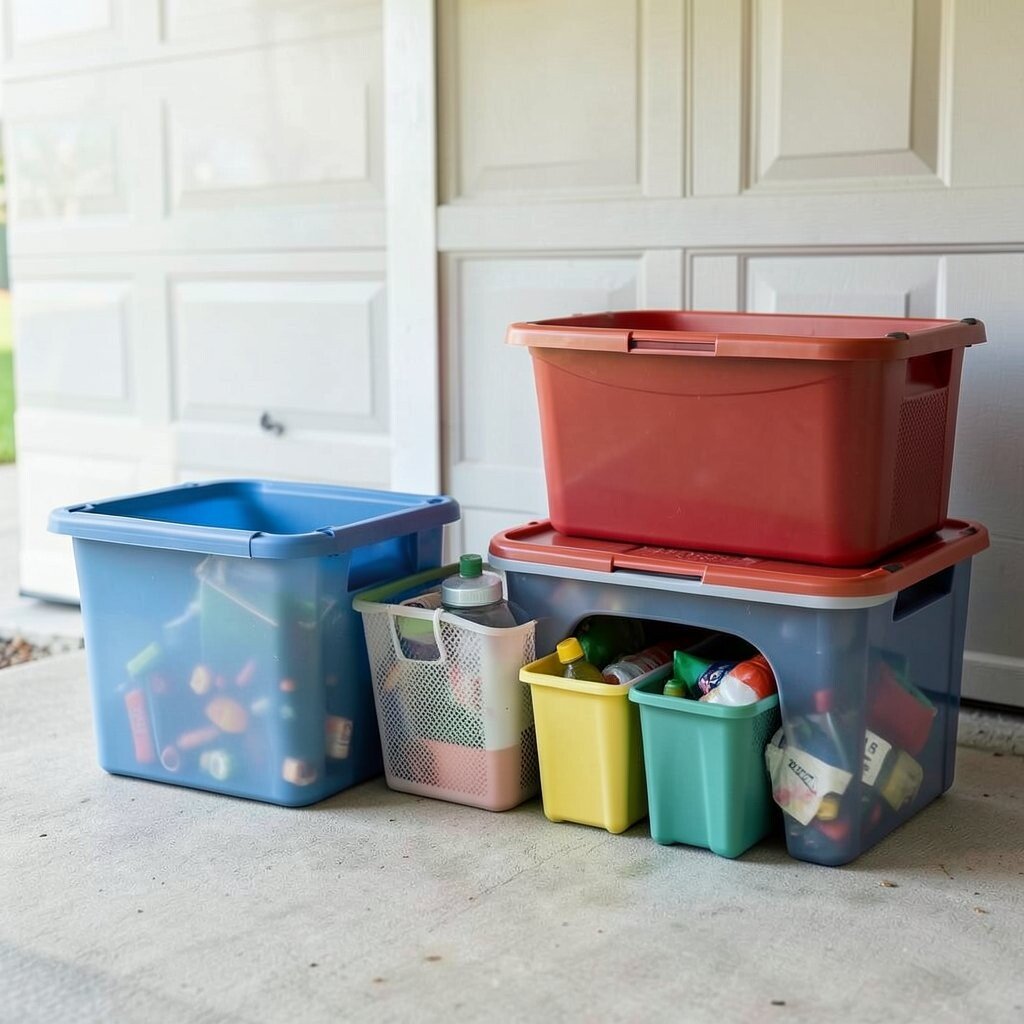
Bins are your best friend when the sale day gets busy. Sort items into labeled containers ahead of time so you can restock quickly.
Choose clear bins when possible, because people can scan without asking. Stack heavier items on the bottom and keep breakables in separate trays lined with towels.
For small items like chargers, craft supplies, or toys, try compartment trays so pieces don’t mix. This makes it easier for you to answer questions and helps buyers feel like they’re browsing something organized.
6. Comfortable Seating and a Place to Rest
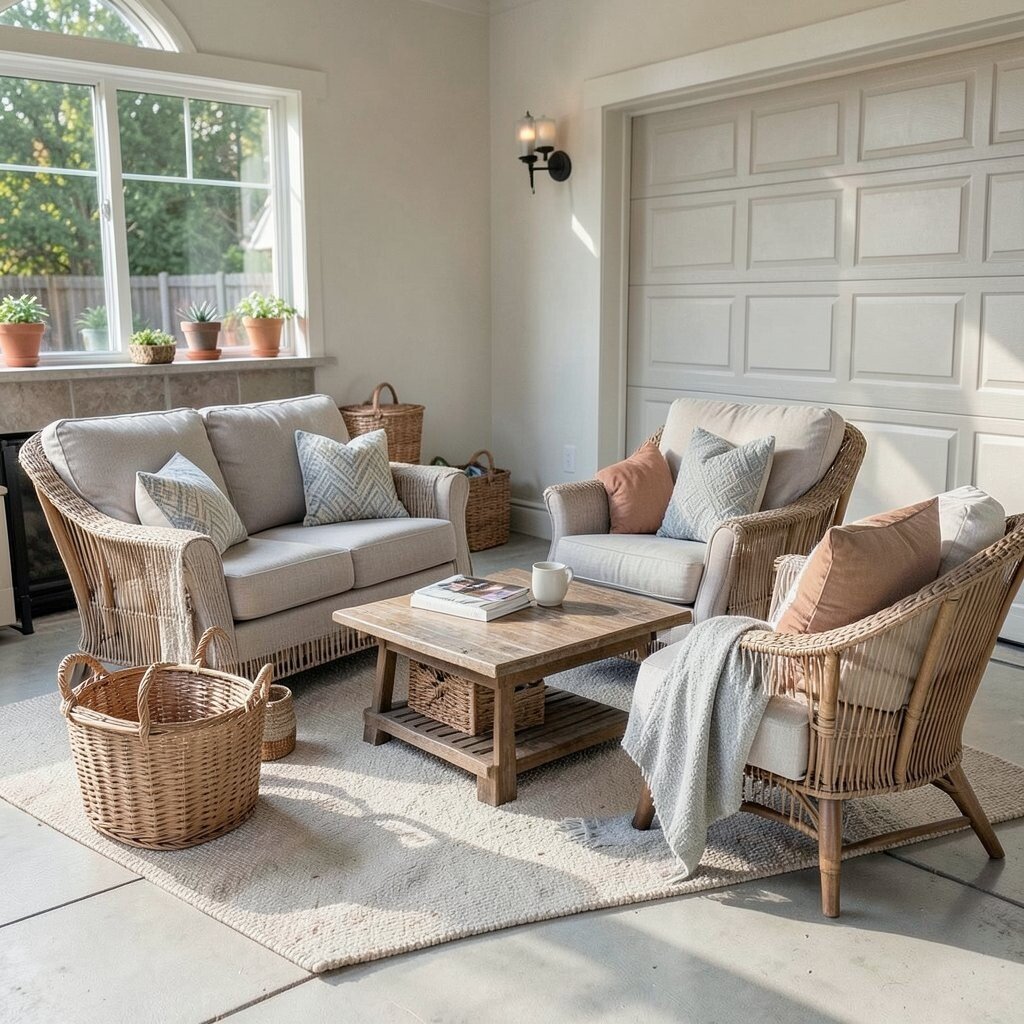
You’ll be on your feet more than you expect, especially if you’re friendly and chatty. Set up a chair where you can greet people without feeling stuck.
Keep a small side station with water, tissues, sunscreen, and hand sanitizer so you don’t keep leaving your selling spot. When you sit comfortably, you also maintain better control of your cash and receipts.
7. A Secure Cash and Card System

Money needs a safe home during the sale. Use a locked cash box or a small lockable drawer so you’re not carrying bills around all day.
If you take card payments, test your phone or device before the sale starts. A portable charger is handy because using maps, messages, and a checkout app can drain batteries fast.
Keep change ready in a few coin rolls or a marked tray, so transactions move quickly. This small setup helps you stay calm and keeps buyers happy when lines form.
8. Quality Lighting for Early Morning and Cloudy Days

Good lighting can make colors look true and details stand out. Even if the sale starts in daylight, clouds can steal brightness fast.
Use string lights, lantern-style lamps, or a couple of battery lights aimed at tables. If you have time, place items so they face natural light, like turning mirrors and picture frames toward the open driveway.
9. Protective Handling Supplies for Fragile Items

Shoppers love glassware, dishes, and frames, but they also worry about breaking. Place fragile items on higher shelves or tables so they’re less likely to bump.
Line trays with towels and use bubble wrap, paper, or foam for anything that could chip. Put small parts inside zip bags so buyers can transport them without losing pieces.
Offer simple care instructions by including a note tucked in the bag, like “wrap before carrying.” This creates trust and also saves you stress on the busiest moments.
10. A Basic Cleaning Kit for Quick Touch-Ups

Freshly cleaned items look newer, even if they’ve been loved for years. Keep a small kit with glass cleaner, disinfecting wipes, lint rollers, and a microfiber cloth.
If a shirt looks dusty, a quick wipe before it goes on the table makes a big difference. You can also bring a stain remover stick so you can handle small spots without turning the sale into a science project.
11. Your “Bring It Back” Policy for Customer Trust

Clear expectations help people feel safe buying from you. Decide how you’ll handle small issues like missing parts, and be ready to explain it kindly.
If an item is being sold “as is,” note it gently by your conversation and make sure the item is shown clearly. Taking time to show flaws honestly can actually help your sale go faster because fewer surprises pop up.
Consider grouping items into categories like like-new, lightly used, and well-loved so shoppers can choose what matches their expectations. That small honesty builds confidence and leads to more repeat buyers.
12. A Thoughtful Layout Plan That Guides Eyes

A good layout helps people browse without bumping into your stuff. Start by setting a clear walking path from the sign area to your tables.
Place bigger items first and then build out with smaller goods so shoppers don’t feel lost. Use corners for groups like books, electronics, or kitchen items so buyers can find what they want fast.
Keep one spot for you to restock, so you’re not scrambling between tables. When your layout makes sense, the sale feels calmer and customers linger longer.
13. The Right Lighting for Product Photos and Posting
Many garage sales draw attention from online posts, and photos matter. Use natural light for most pictures, then add a small lamp or bright light to fix shadows on cloudy days.
Before the sale, take pictures of standout items and post them with clear descriptions so buyers know what to expect. If you’re using social media, include a simple schedule for start time and address guidance.
For items with screens, wipe them clean so they look crisp in photos. Posting early also helps you attract bargain hunters who love showing up right when things begin.
14. Pricing Flexibility With Bundles and Tags

Shoppers love a deal, and you can offer one without losing control. Create bundle options like “two games” or “kitchen set” so you can accept offers that still feel fair.
Use pre-made discount tags for bundles, and keep a small note near you with common bundle prices. This prevents emotional pricing decisions when you’re tired.
Personalize bundles to your inventory, like pairing matching cups or grouping holiday decorations. The right mix makes your items feel curated instead of random, and that uniqueness often brings repeat customers.
15. A Donation and Leftover Plan for the End
Knowing what happens after the sale keeps you from feeling stuck at closing time. Decide where leftover items will go, like a local donation center or a neighborhood swap group.
Place a separate bin for items that are not selling and give yourself permission to stop negotiating on the final hour. That way you can pack up faster and avoid the “one more hour” trap that drains energy.
If you’re following a trend, consider eco-minded sorting by keeping usable items out of the trash. Many communities appreciate clean, organized leftovers, and it can even open doors to future sales.
16. A Kid-Friendly, Safety-First Browsing Space

If families show up, you’ll make their experience better with a safe browsing zone. Put breakables and small parts away from the main path and keep them on higher surfaces.
Use painter’s tape or cones to guide foot traffic so kids don’t wander into areas with open boxes. A small “try not to touch” sign can also help, but it works best when your display is clearly arranged.
17. A Personal Touch That Makes Your Sale Memorable
People remember personality, especially at neighborhood events. Add a small theme, like a “books and board games” corner or a “vintage kitchen” section.
Let your taste show through, such as choosing matching hangers, arranging shoes by size, or presenting jewelry in small trays. Unique presentation makes items feel like they belong in a shop, even if you’re selling from a driveway.
You can also personalize your pricing by setting special rates for items you’re excited to pass along. When buyers feel your care, they often treat your items more gently and talk more openly during checkout.
18. A Day-of Schedule to Keep You Moving

Even a relaxed garage sale runs better with a simple timeline. Set up early, finish pricing, and double-check that everything is clean and visible before shoppers arrive.
During the sale, take a quick refresh break when you see a lull, and restock your best-selling spots. Keep an eye on weather too, so you can cover items quickly if clouds roll in.
When the end time hits, do a focused sweep: pack high-value items first, then close bins, and finally tidy the area. Planning reduces stress and helps you leave with more energy for the next time you open your doors.