Wildflowers bring a soft, joyful look to any yard. They also make a garden feel alive in a very natural way.
1. Meadow-Style Wildflower Patch
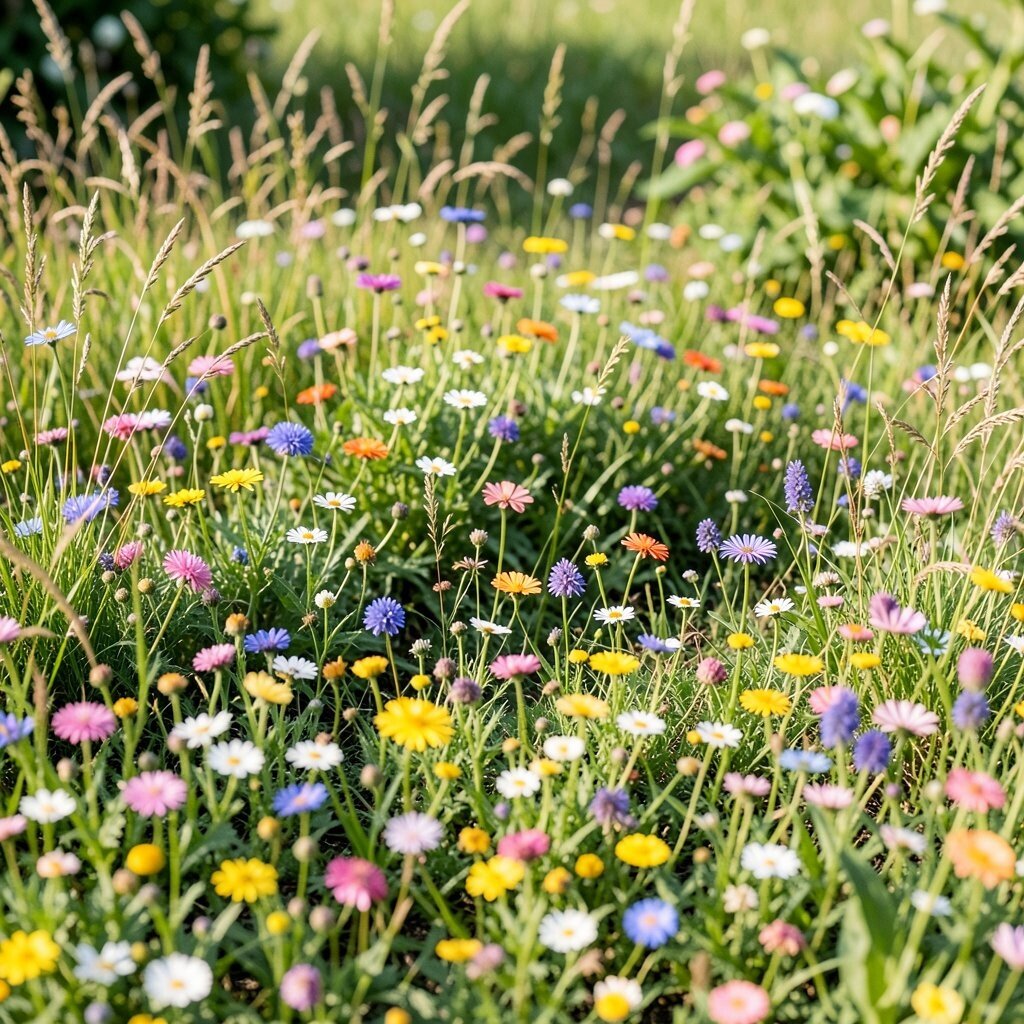
A meadow-style patch gives your garden a breezy, open look with waving blooms and soft grasses. It feels charming because it looks like a tiny piece of the countryside right at home.
This idea works well for busy gardeners since it needs less fuss than a formal bed. Mix seeds with local wildflowers, and choose colors that suit your home so the patch feels personal and calm. It can also save money because seed packets usually cost far less than many potted plants.
2. Cottage Garden Wildflower Corner
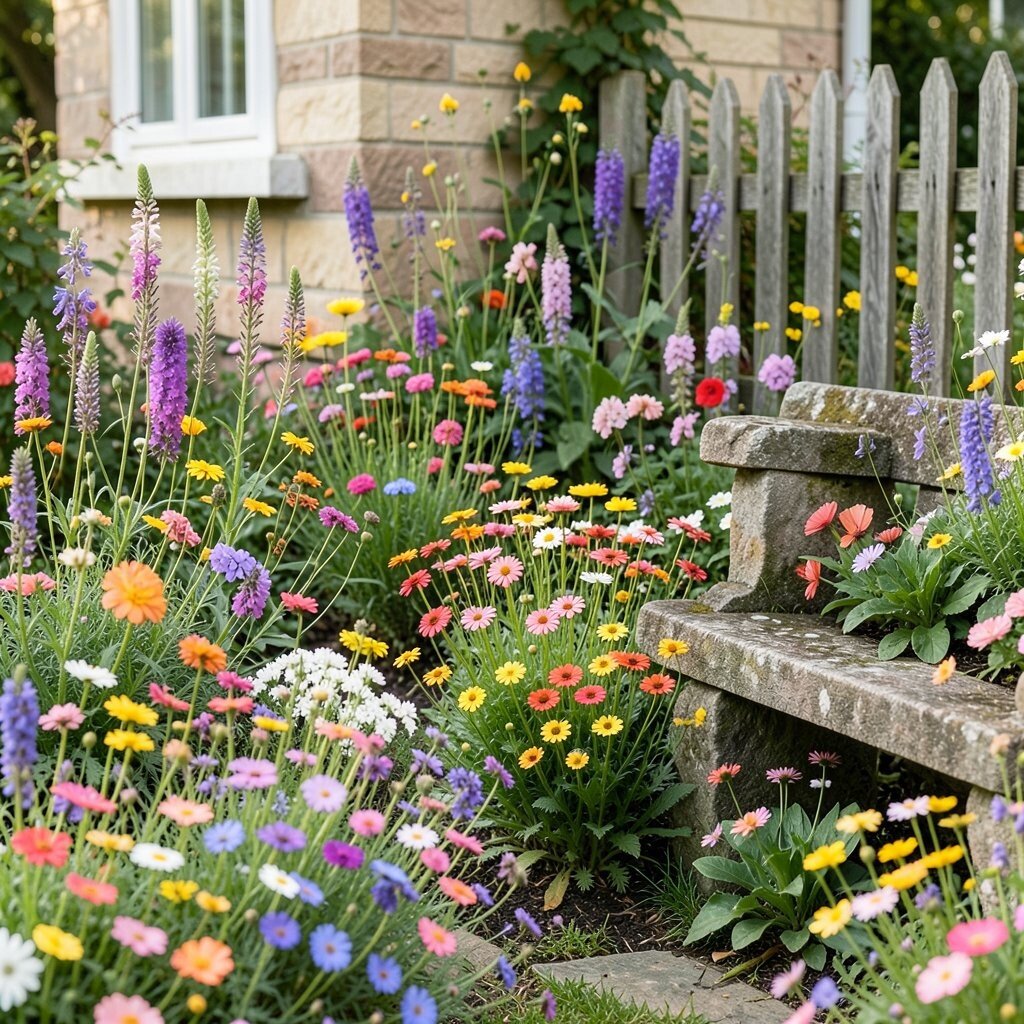
A cottage-style corner looks cozy, colorful, and a little bit dreamy. Flowers packed close together create a full, happy scene that feels warm from spring through fall.
This style pairs well with old stones, a bench, or a picket fence. Try mixing tall blooms in the back with shorter ones in front so every flower can shine. Many gardeners love this trend because it feels relaxed, sweet, and easy to make your own.
For a budget-friendly start, grow from seed and add only a few nursery plants for color pops. You can also pick flowers that match your house colors, which helps the whole space feel planned.
3. Pollinator-Friendly Wildflower Strip
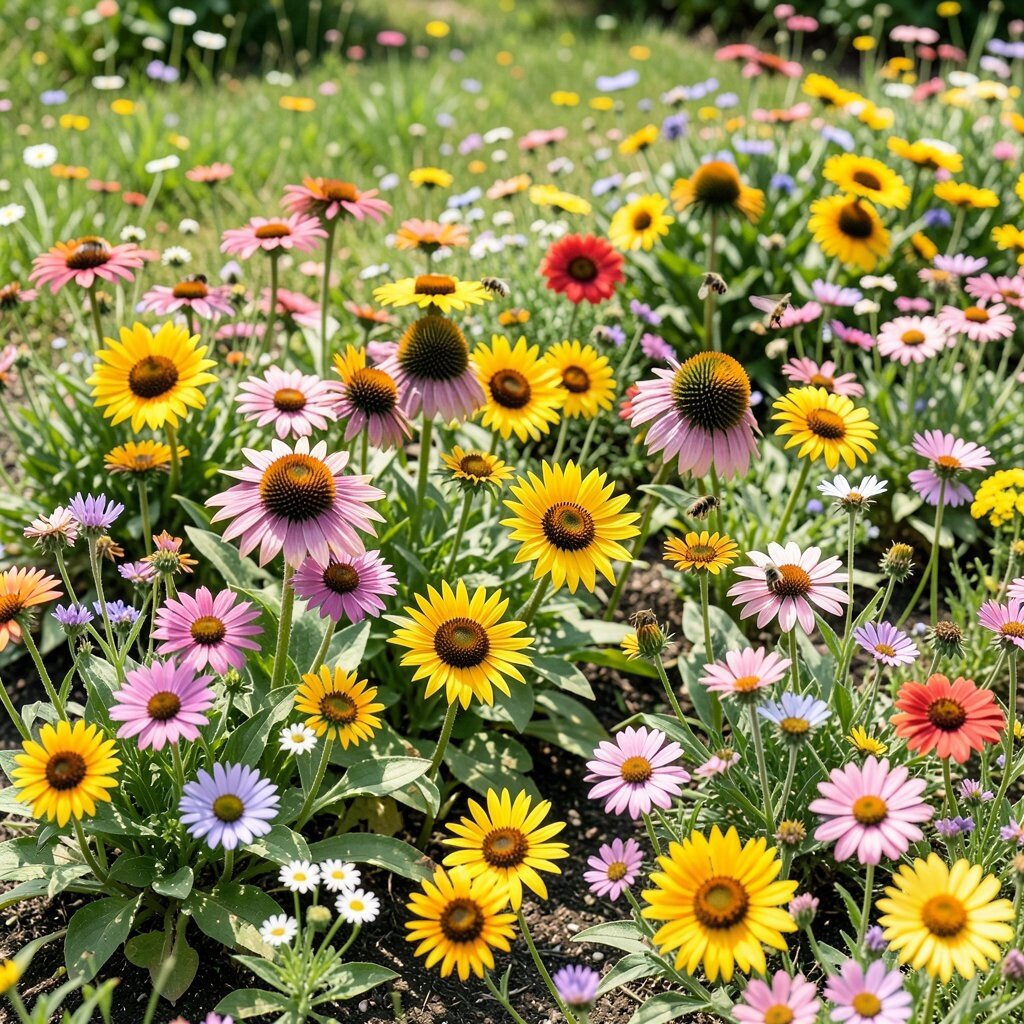
A pollinator strip brings bright color and lots of motion as bees and butterflies visit the blooms. The patch feels lively and useful at the same time.
Choose flowers with open centers, since they are easier for helpful insects to reach. Sunflower cousins, coneflowers, and blanket flowers are popular picks because they look cheerful and support pollinators well. If you want a modern garden trend, this is a smart one since more people now plant with wildlife in mind.
Keep the strip in a sunny spot and group flowers in little drifts for a neat look. You can tailor the colors to be bold and bright or soft and pastel, based on your style. The payoff is a garden that feels busy, bright, and full of life.
4. Color-Block Wildflower Bed
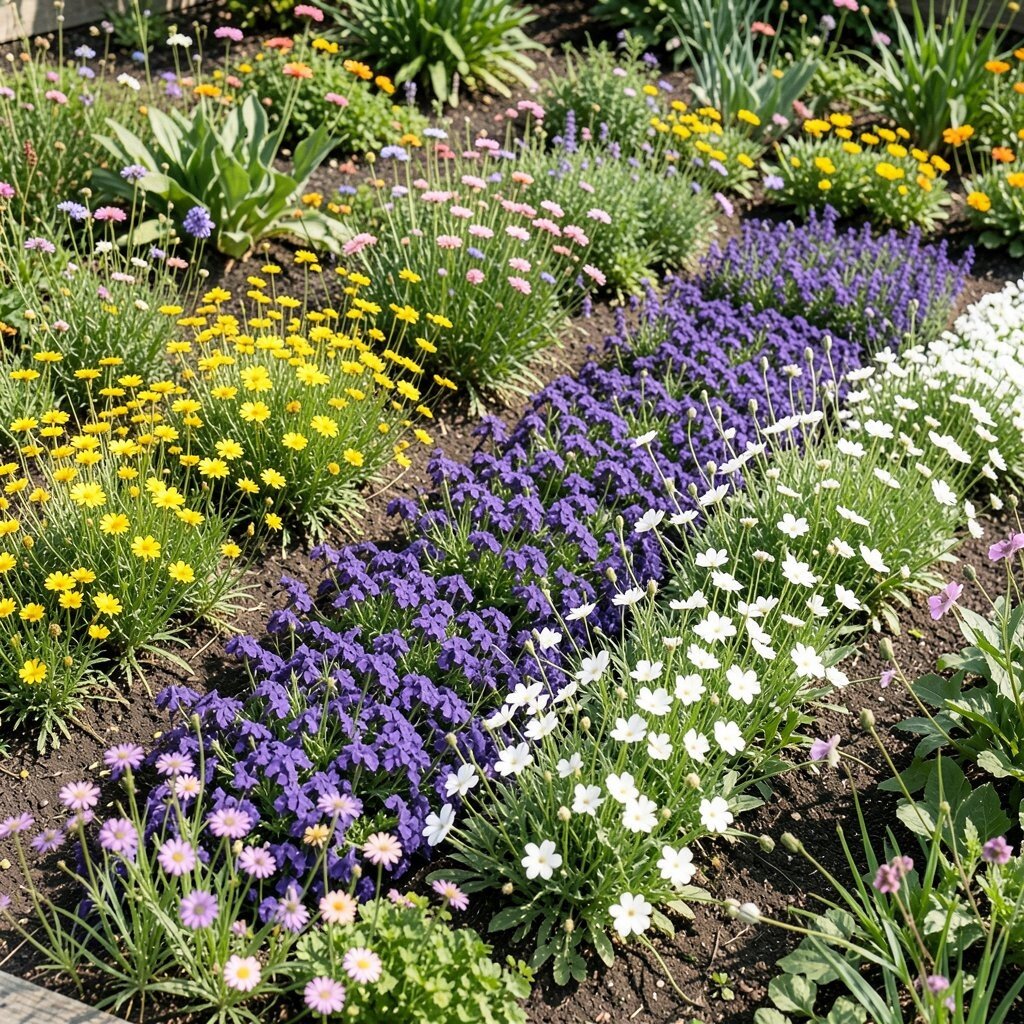
A color-block bed looks bold and tidy, with each section filled by one main shade. The result is eye-catching and clean, almost like a painting in the soil.
This idea is great if you want a more polished style without losing the wildflower feel. Try one block of yellow, one of purple, and one of white for a strong contrast. It is a smart way to use plants you already love while still making the garden feel fresh.
Because seed mixes can be random, it helps to buy separate packets and plant by color. That can cost a little more than a mixed packet, but it gives you more control over the final look. If you enjoy taking photos of your garden, this patch will stand out in a very pretty way.
5. Pathside Wildflower Border
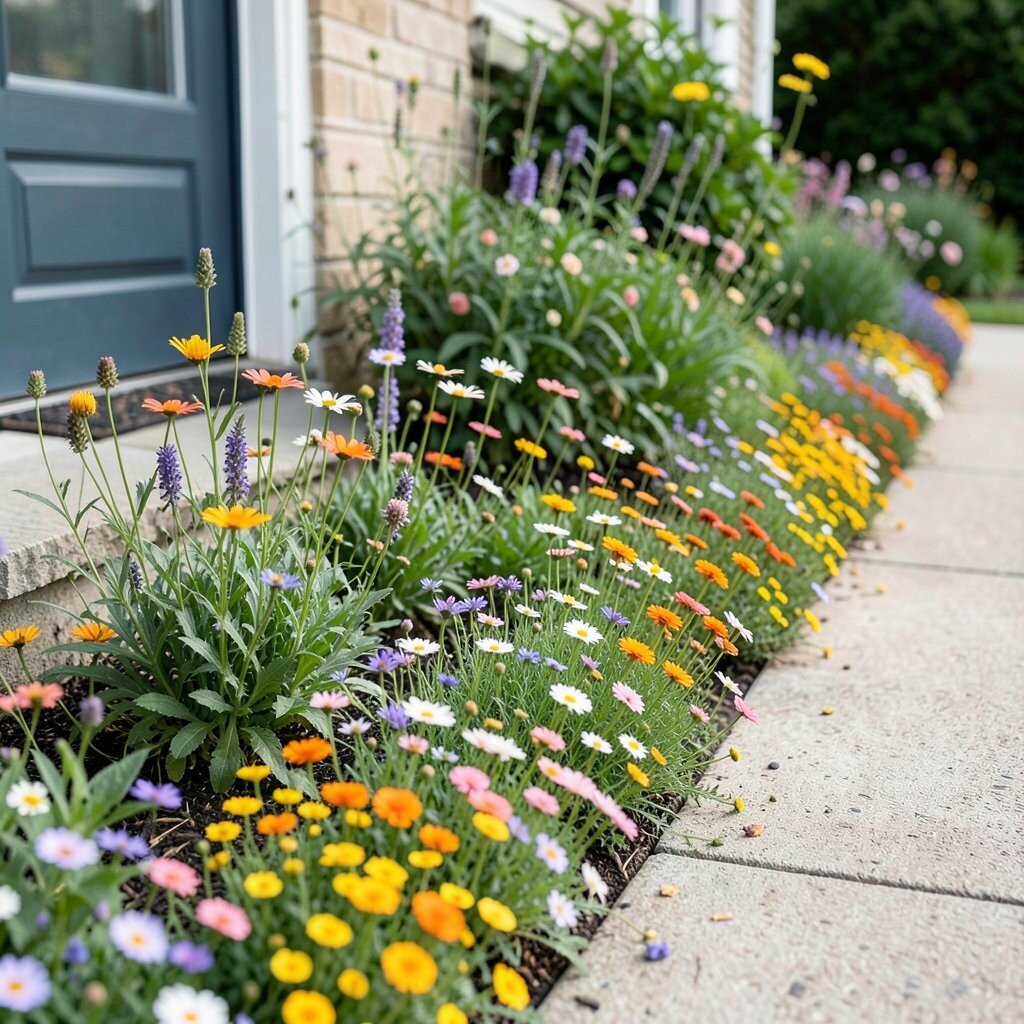
A pathside border makes a walkway feel soft and welcoming. Blooms tucked along the edge can make even a plain path feel special.
Low-growing flowers work best here because they stay neat and do not spill over too much. Use sweet alyssum, calendula, or small daisies to line the edge with color. This idea is unique because it turns a simple route through the yard into a charming garden moment.
For easy care, keep taller plants toward the back so they do not crowd the path. You can also match the border colors to your door, pots, or garden signs for a unified look. Many gardeners like this style because it is pretty, useful, and not too costly to set up.
6. Butterfly Haven Patch
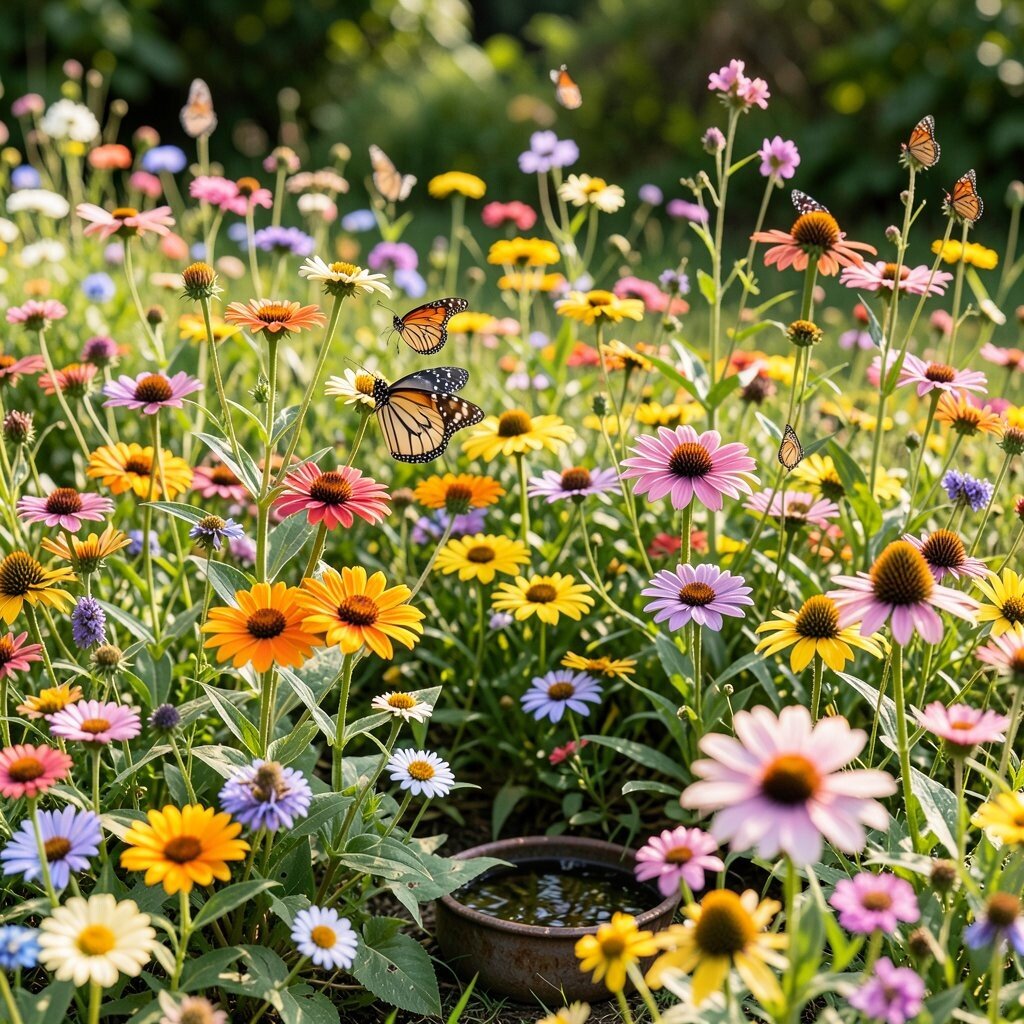
A butterfly haven patch feels magical when wings flicker over the flowers. Bright blooms and nectar-rich plants can make the whole space look like a living storybook.
Milkweed, zinnias, verbena, and coneflowers are all strong choices for this kind of patch. Plant in warm, sunny spots and add a shallow water dish nearby for extra comfort. The look is cheerful and full, and it gives your garden a real sense of purpose.
If you want a more personal touch, choose butterfly-friendly plants in your favorite colors. This patch can also be small and still make a big difference, which is helpful for smaller yards or tight budgets. Right now, many gardeners are choosing wildlife patches because they feel beautiful and helpful at once.
7. Rustic Fence-Line Wildflowers
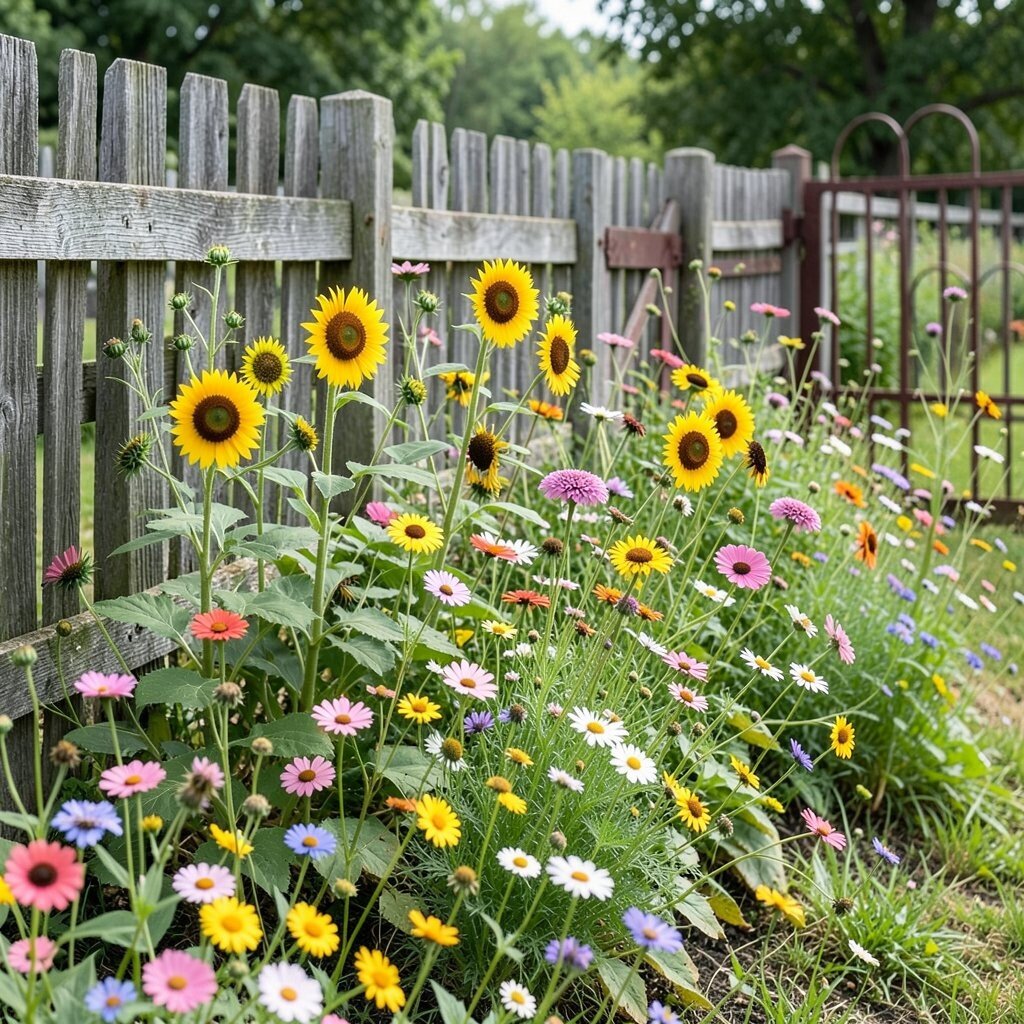
A fence-line patch adds height, texture, and a soft frame along the yard. The flowers make plain fencing look friendlier and more finished.
Tall blooms like sunflowers, cosmos, and black-eyed Susans can shine here, especially when planted in loose groups. A rustic style works well with wood fencing, old gates, or metal trellises. It is a nice way to use a narrow space that might otherwise feel forgotten.
To keep costs low, start with easy annuals and let them reseed if possible. You can also tuck in a few favorite perennials for repeat color each year. The mix of rough fence and lively flowers gives the garden a relaxed, country feel that never gets old.
8. Mini Prairie Patch
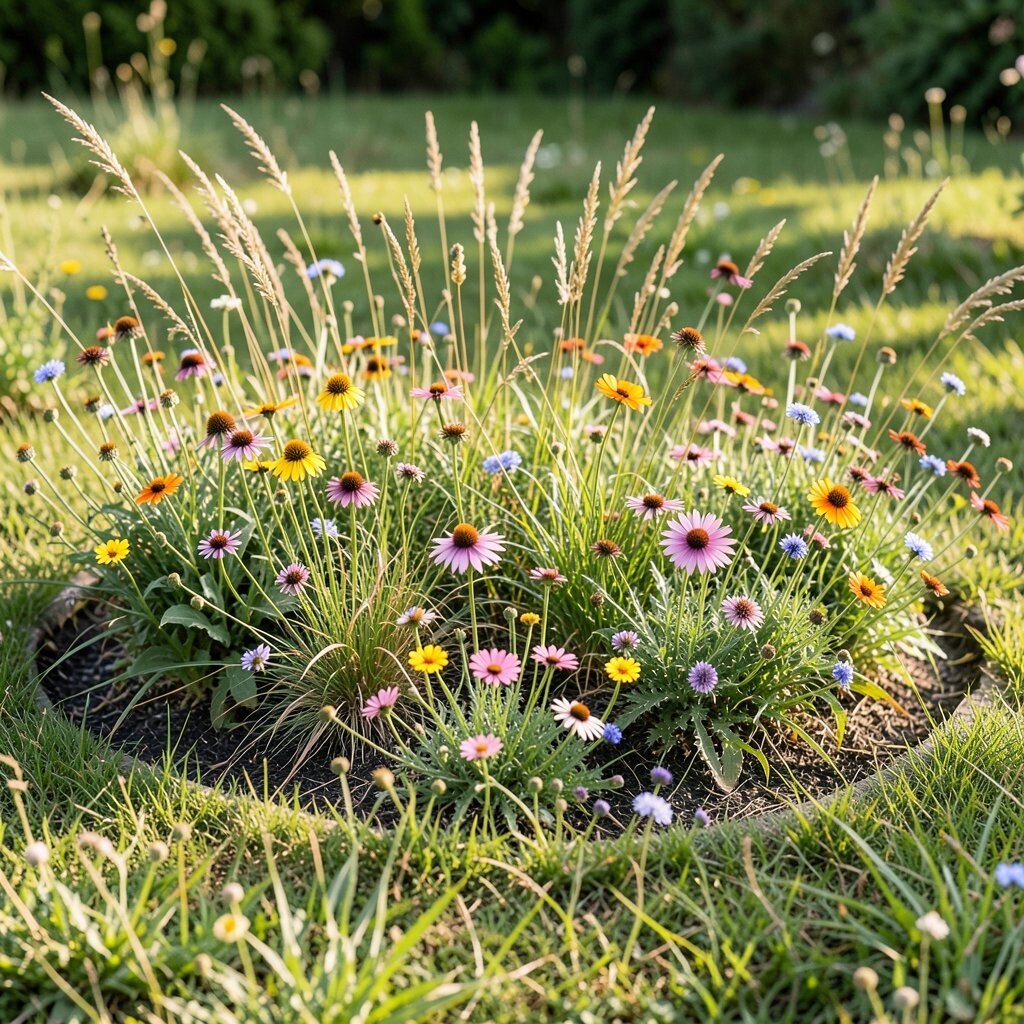
A mini prairie patch has a bold, natural look with grasses and sturdy wildflowers swaying together. It feels earthy and modern at the same time.
Try mixing native grasses with blooms like blazing star, coneflower, and coreopsis for a full prairie feel. This style is low-fuss once it gets going, which makes it a smart choice for gardeners who want beauty without a lot of upkeep. The patch also helps birds and insects by offering shelter and food.
For a custom look, choose a small shape that fits your yard, such as a long oval or a wide curve. Seed costs are often low, so this can be one of the most budget-friendly patch ideas. If you like a more natural trend, prairie planting gives you that easy, airy charm.
9. Moonlit White Wildflower Bed
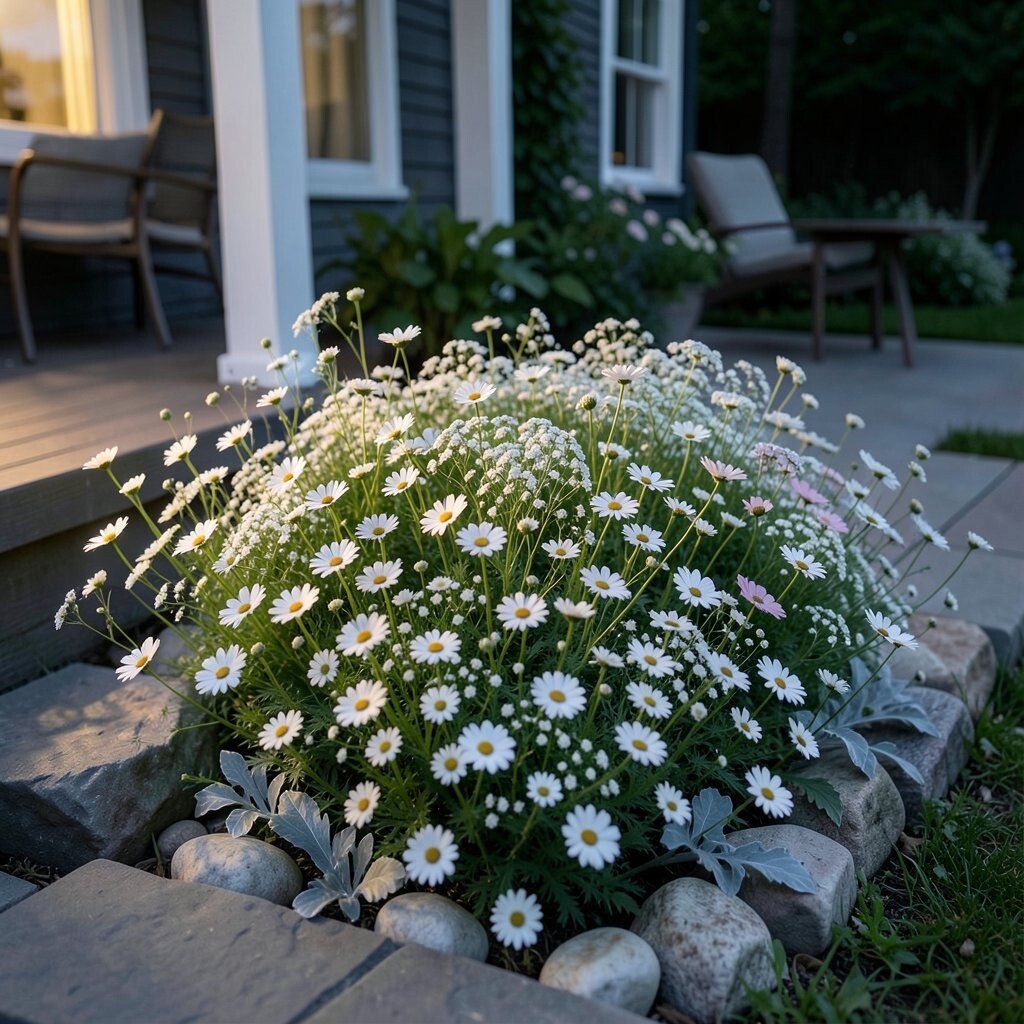
A white wildflower bed glows in the evening light and feels calm during the day. The pale blooms look fresh, crisp, and almost dreamy.
Use white daisies, baby’s breath, white yarrow, and pale cosmos for a soft, glowing effect. This patch is lovely near a porch, patio, or seating area where you can enjoy it at night. It stands out because it is simple and peaceful instead of loud and crowded.
If your garden already has many bright colors, this kind of bed can balance the scene. Add silver leaves or light-colored stones to make the white flowers shine even more. It is a pretty option for people who like clean lines and a calm mood.
10. Rainbow Wildflower Mix
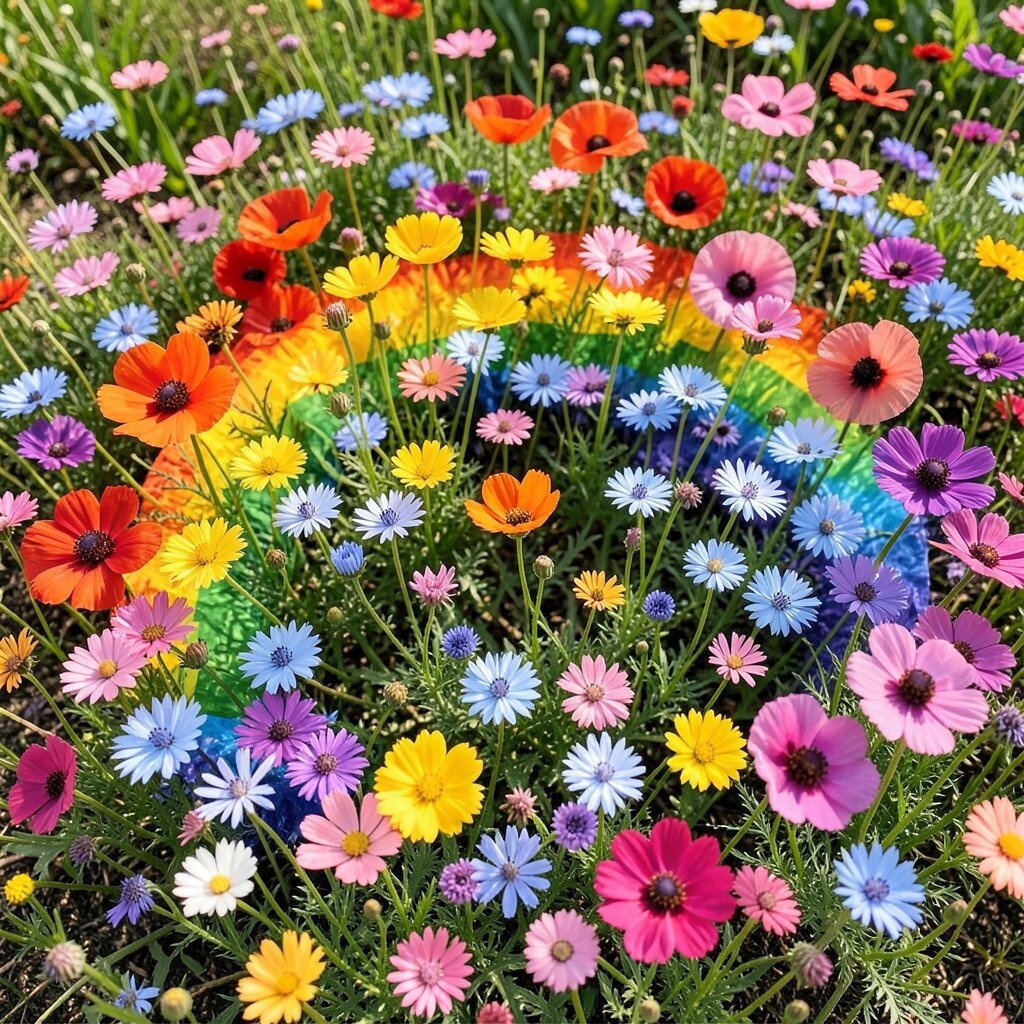
A rainbow patch is bright, happy, and full of playful energy. Each color seems to cheer up the space a little more.
Use a mix of red, orange, yellow, pink, blue, and purple blooms to create a lively effect. Flowers like cornflowers, poppies, zinnias, and cosmos can help build that colorful feel. This trend is popular because it is bold, fun, and easy to enjoy from far away.
To keep the look from feeling messy, repeat a few colors in different spots instead of placing every shade just once. You can also choose a favorite color to lead the whole design, then add the others around it. Even a small rainbow patch can bring a lot of joy for a low seed cost.
11. Wildflower Patch Around a Bird Bath
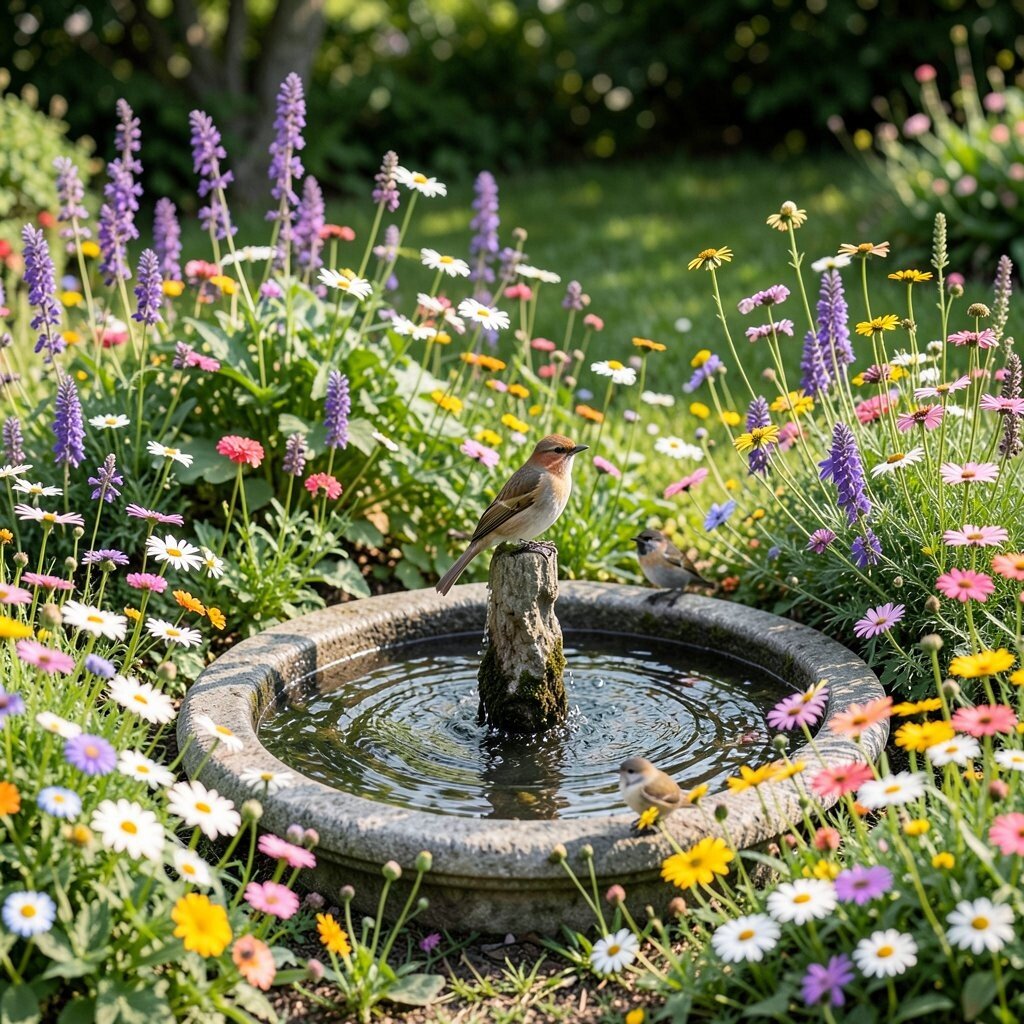
A bird bath surrounded by wildflowers creates a charming little scene in the garden. Birds, blooms, and moving water make the area feel lively and peaceful.
Low and medium-height flowers work best so birds can land safely and people can still enjoy the view. Try plants like salvia, daisies, and bee balm for color and nectar. This setup is unique because it turns one small feature into a full garden focal point.
For a custom touch, pick flowers that match the color of your bird bath or nearby pots. Keep the space open enough for easy watering and simple cleaning. It is a lovely way to make a small garden feel thoughtful and special without spending a lot.
12. Shade-Loving Wildflower Patch
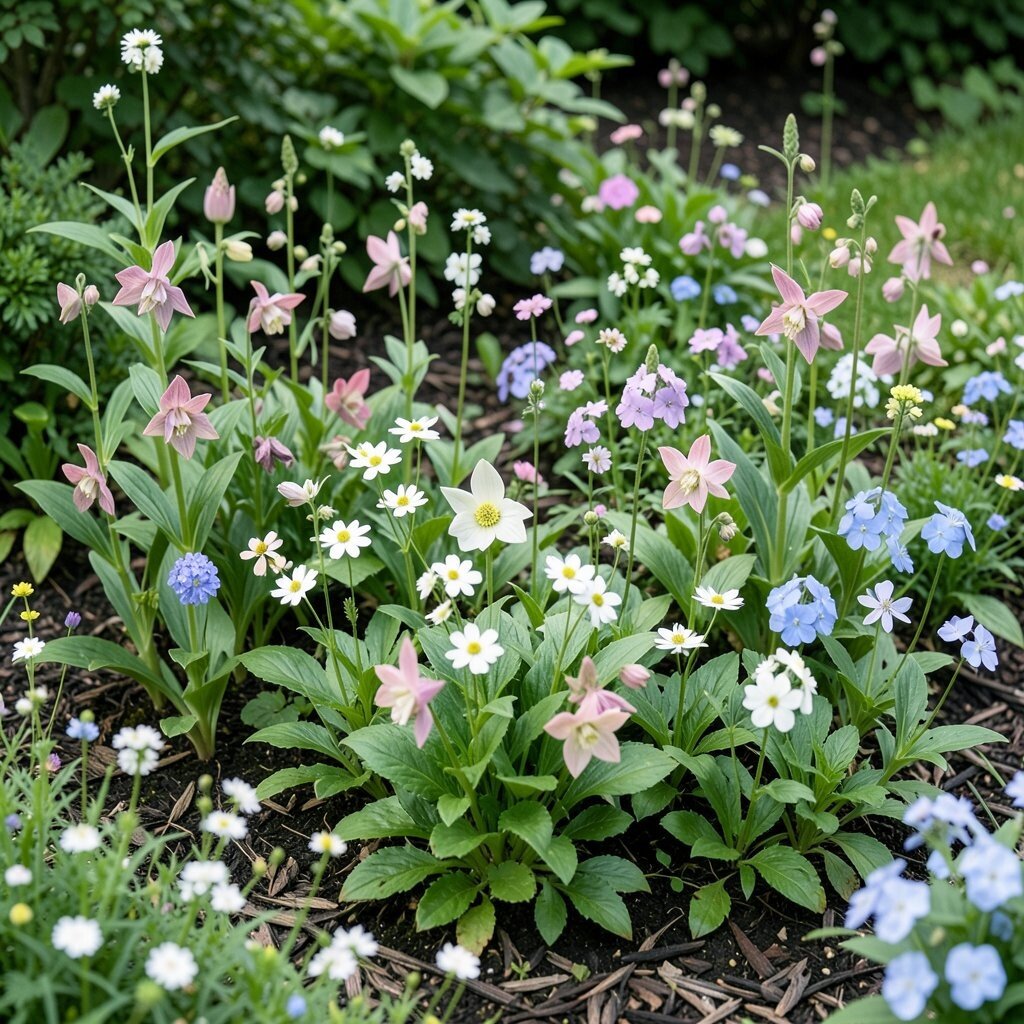
A shade patch can make a darker part of the yard feel soft and welcoming. Gentle blooms and leafy plants bring life where grass may struggle.
Look for woodland-style flowers such as columbine, wild ginger, foamflower, and phlox for shade-friendly color. This kind of patch often feels more delicate than a sunny meadow, which gives it a very unique charm. It is also helpful because it turns a tricky spot into something pretty and useful.
Moist soil and a bit of mulch can help these plants settle in well. If you want a quieter garden mood, choose whites, pale pinks, and soft blues. Shade wildflowers may cost a little more at the start if you buy nursery plants, but they can be worth it for those hard-to-fill areas.
13. Raised Bed Wildflower Patch
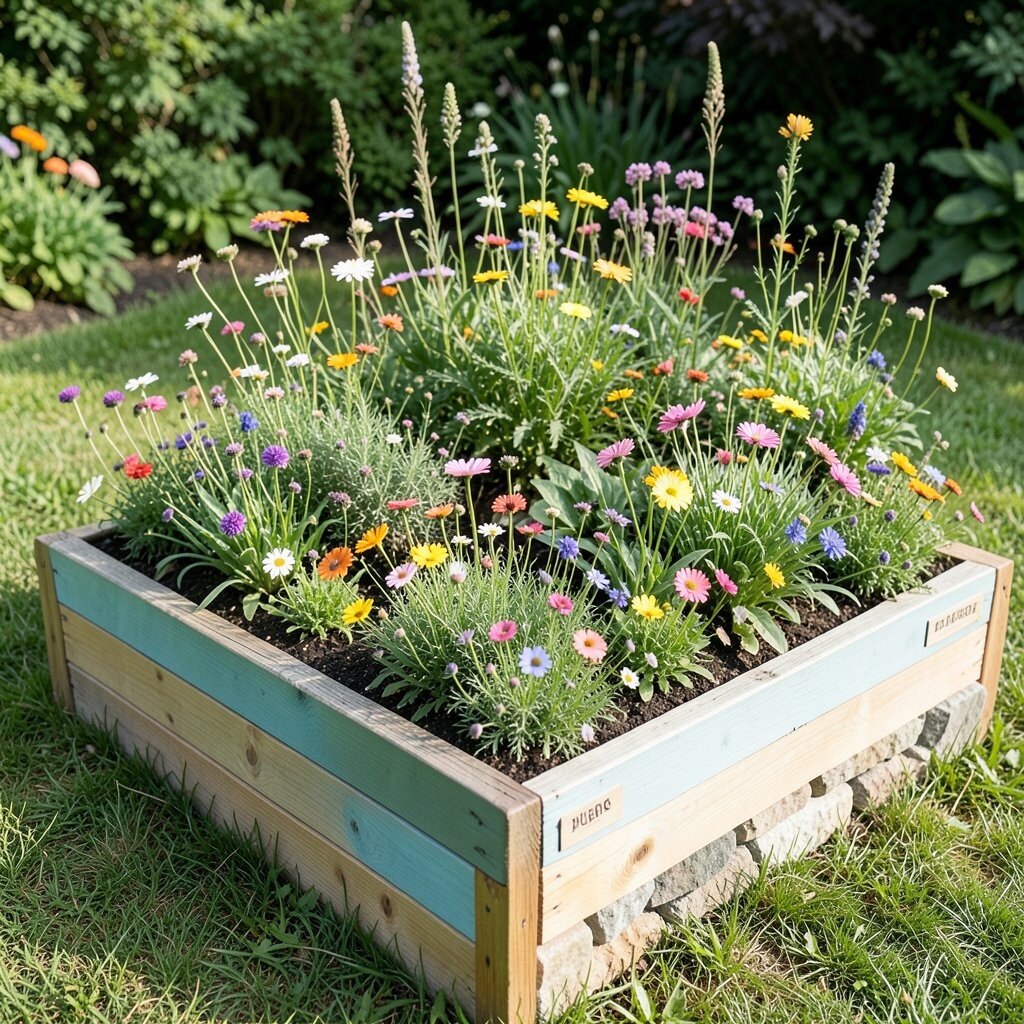
A raised bed wildflower patch gives your garden a neat frame and a clean look. The taller edge helps the blooms feel like a little stage of color.
This is a good choice if your soil is poor or if you want better control over drainage. Fill it with a mix of native wildflowers, and place taller plants in the back for a layered look. Raised beds are also easier on your knees and back, which many gardeners appreciate.
You can personalize the bed with painted wood, stone sides, or simple labels for each plant. Costs may be higher at first because of the bed materials, but the neat finish can be worth it. This style fits well with current garden trends that mix beauty, comfort, and ease of care.
14. Mixed-Texture Wildflower Patch
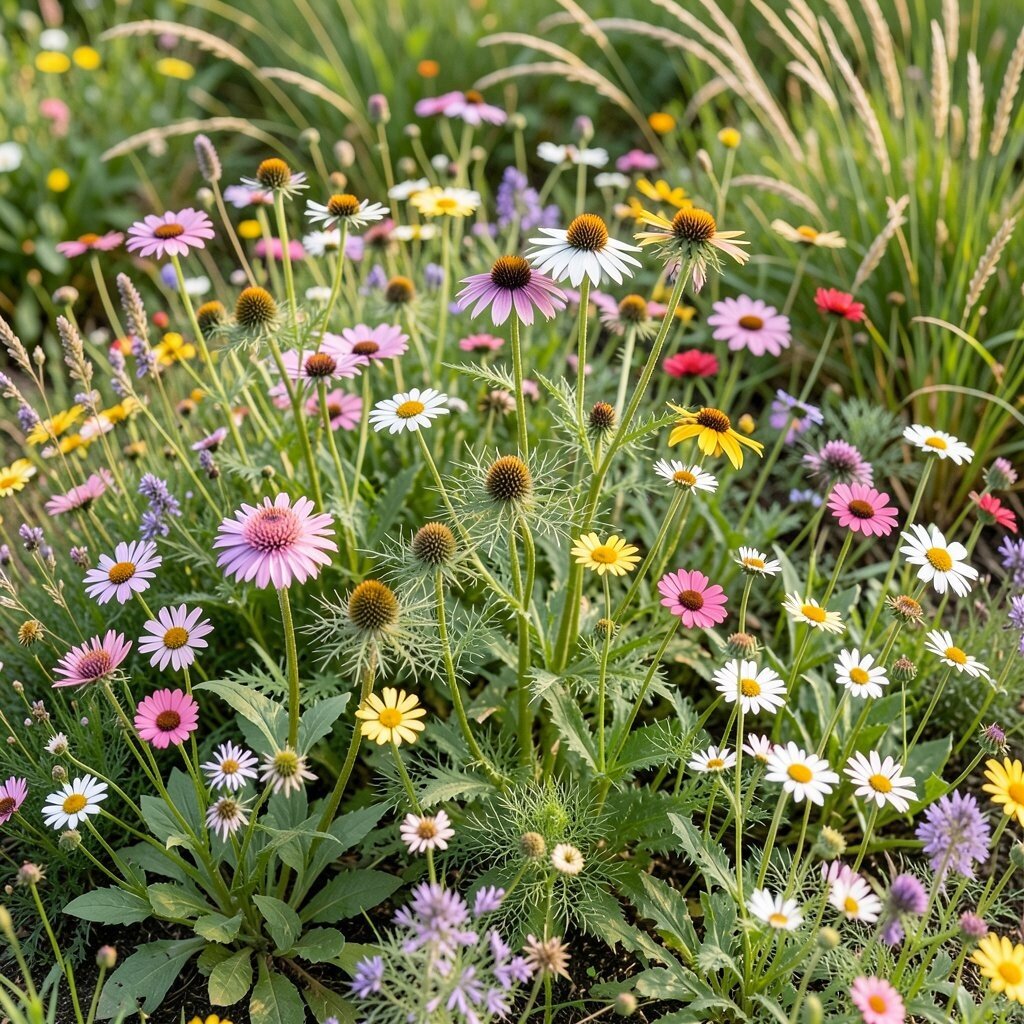
A mixed-texture patch feels rich and interesting because the plants do not all look the same. Soft petals, spiky blooms, airy stems, and feathery leaves create a patch full of surprises.
Combine flowers like yarrow, coneflower, nigella, and daisies to build contrast and depth. This idea works especially well if you want a garden that feels natural but not plain. The mix makes the patch look fuller and more skilled, even if the plants are easy to grow.
Try planting in groups of three or five to keep the design balanced. You can also add a few ornamental grasses for movement and a softer edge. This patch is a great pick for gardeners who enjoy trying new looks without spending too much on fancy materials.