Gallery walls can feel bold, cozy, and a little bit magical. The right mix of frames and art can make a plain wall feel full of life.
1. Start with a clear story for the wall
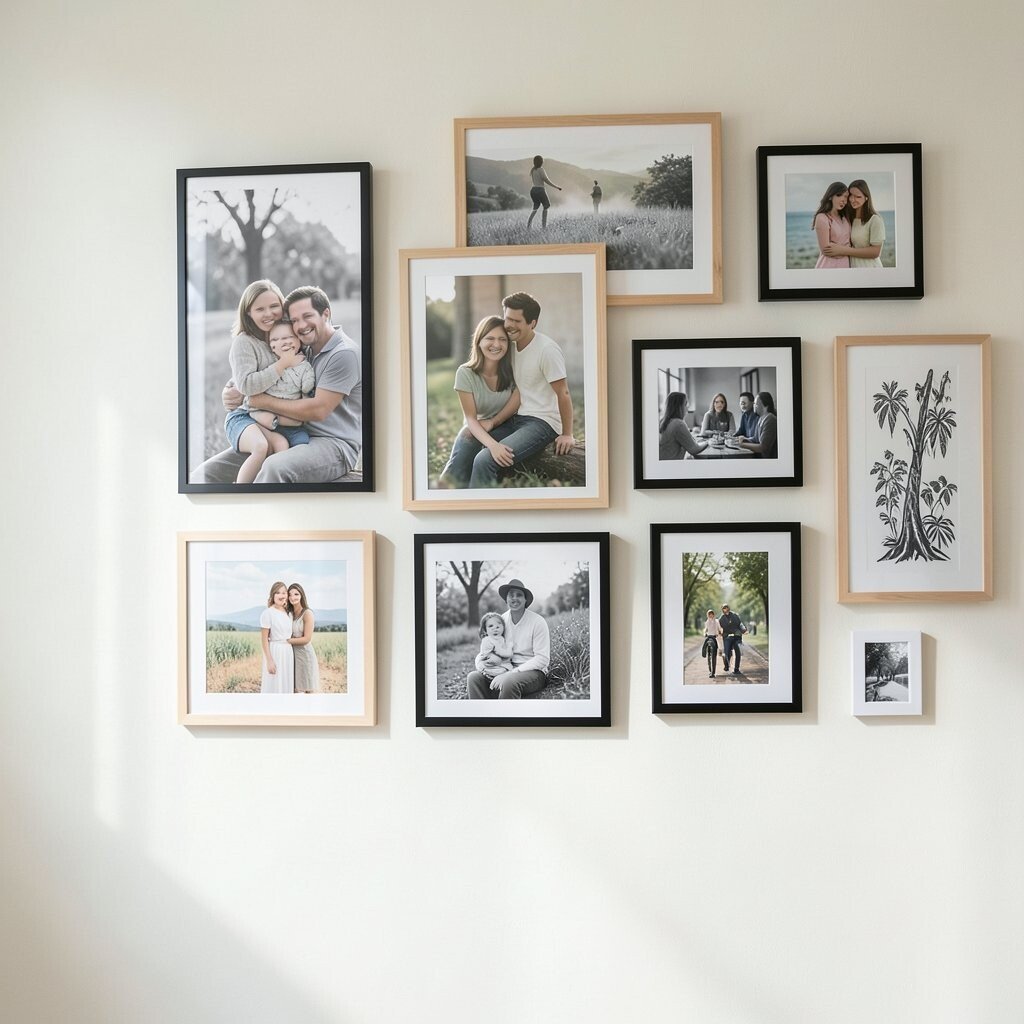
A gallery wall looks stronger when every piece shares a mood or theme. That story can be family photos, travel prints, black-and-white art, or a mix that feels calm and personal.
When the wall has a clear idea, it feels neat instead of random. This also helps you shop with purpose, so you do not waste money on art that does not fit. A simple theme can make even low-cost prints look special and well chosen.
2. Plan the layout before you hang a single frame
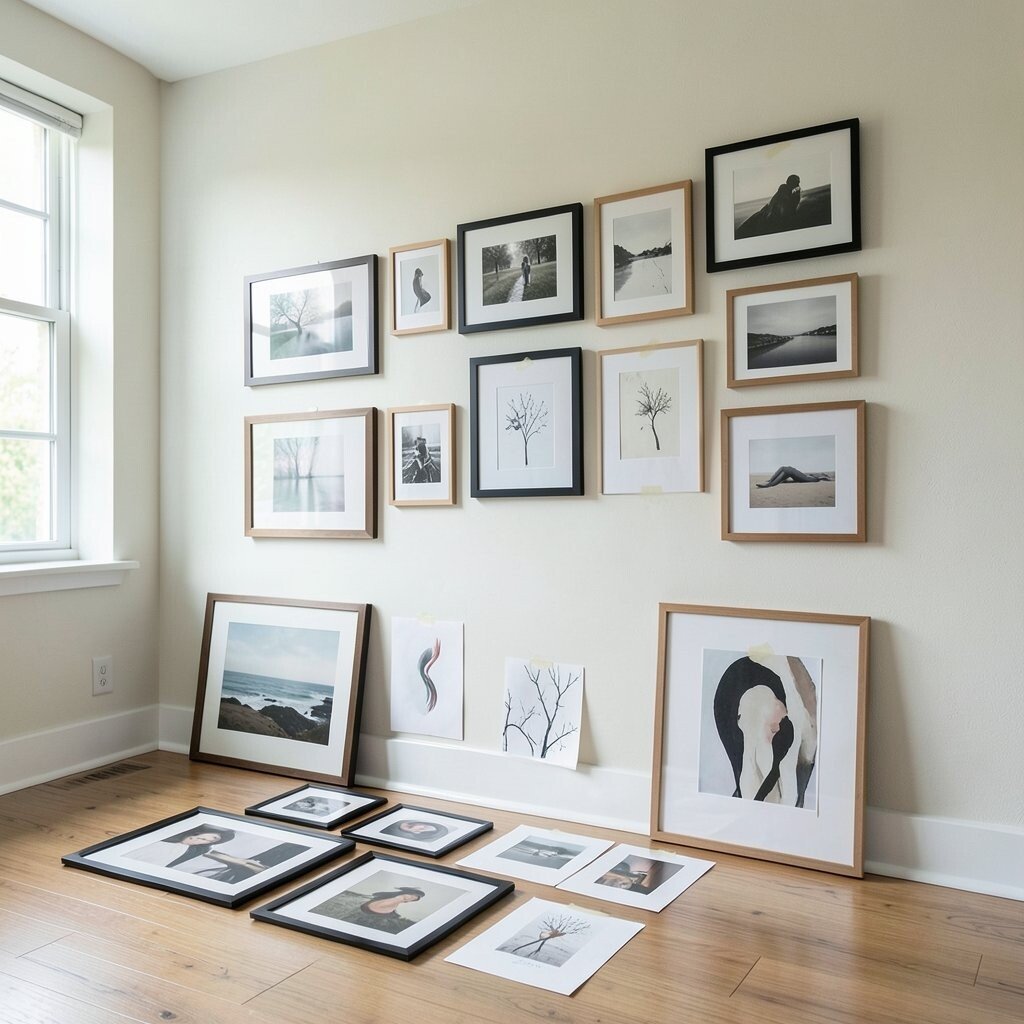
Lay the pieces on the floor first and move them around until the group feels right. This saves time and keeps extra nail holes off the wall.
You can also cut paper shapes the size of each frame and tape them up. That makes it easier to see spacing, balance, and how the wall will look from across the room.
This step is especially helpful if you want a clean, modern look or a more relaxed one. It costs almost nothing, yet it can make the whole project feel much smoother and more polished.
3. Mix frame styles with care
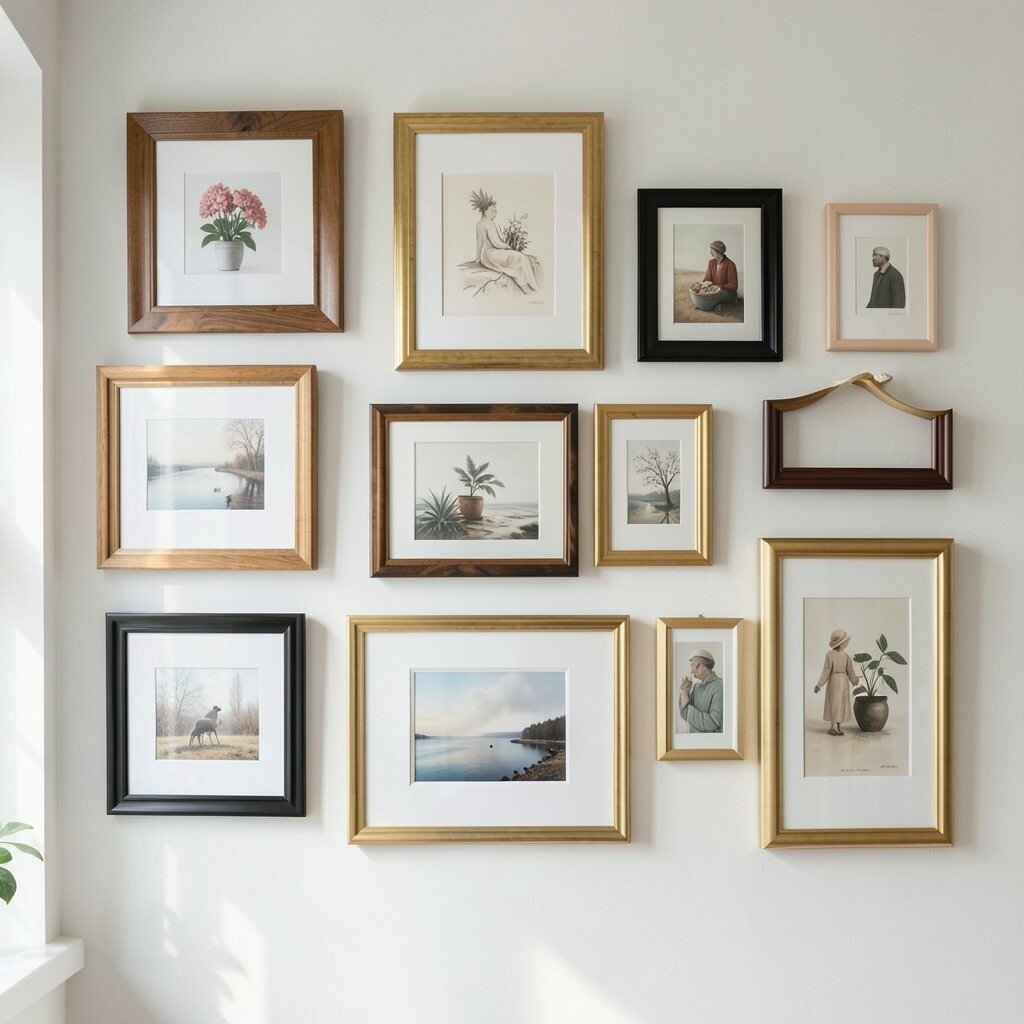
Different frames can make a wall feel collected over time. A mix of wood, black, white, or gold frames brings in charm and gives the eye more to enjoy.
Still, too many styles can make the wall feel messy. Try repeating one or two frame colors so the display stays connected and easy to read.
This is a smart way to use what you already own, which helps keep costs down. It also fits current trends, since many people like walls that feel personal and a little layered instead of perfectly matched.
If you want a softer look, use frames with similar tones and simple lines. If you want more energy, add one bold frame to make a favorite piece stand out.
4. Keep spacing even, but not too stiff
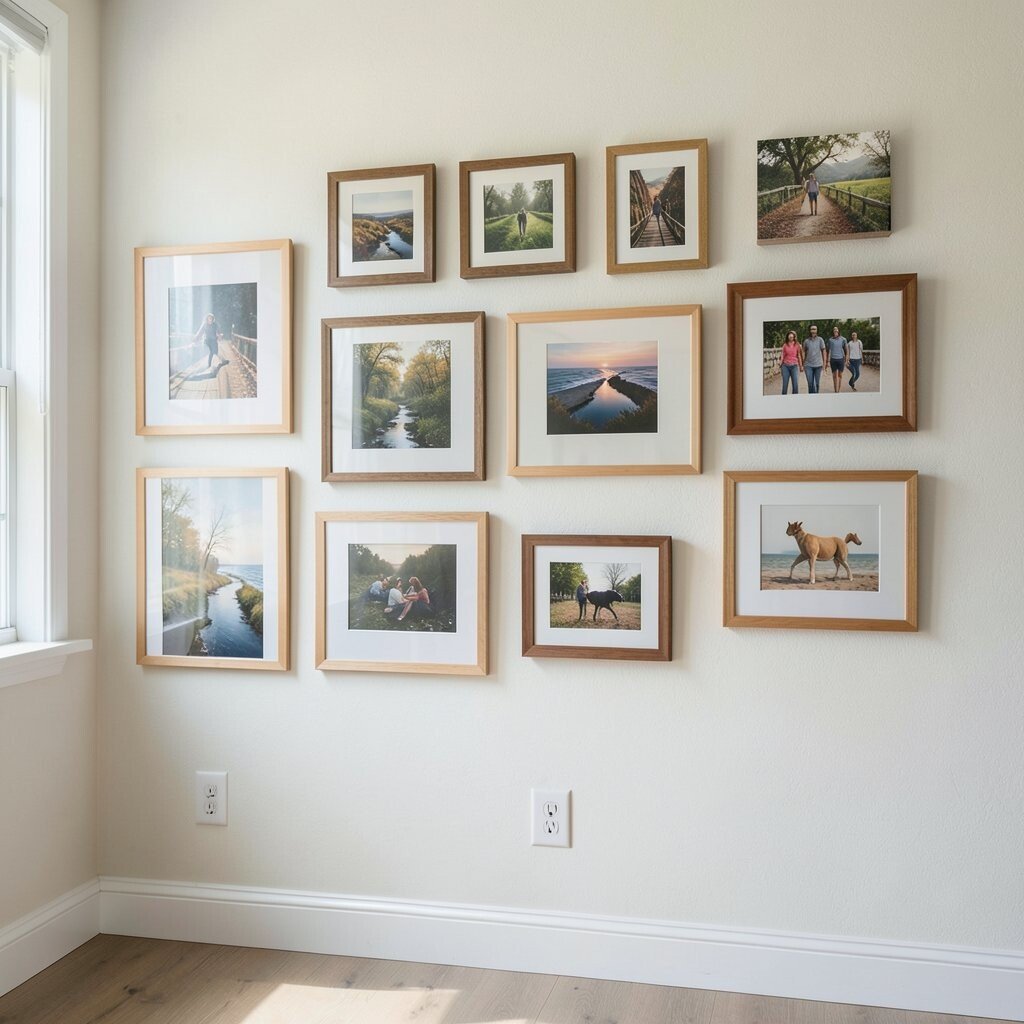
Good spacing helps a gallery wall breathe. When frames are too close, the wall can feel crowded and busy.
Try to keep gaps similar from piece to piece. A small, steady space makes the whole group feel tidy and calm.
That said, a little unevenness can add charm if the wall is meant to feel casual. The trick is to be close enough that the set feels planned, while still allowing a natural, lived-in look.
5. Use one large piece as an anchor
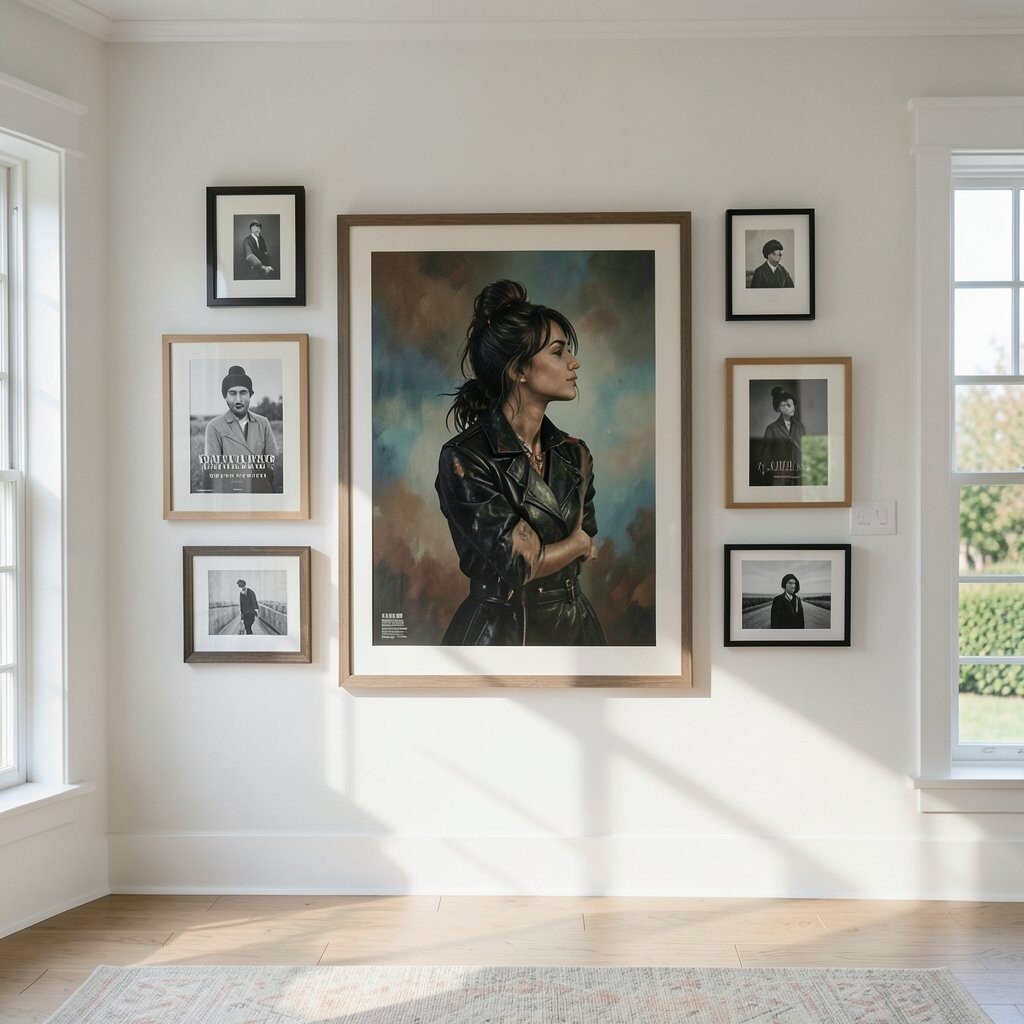
A bigger frame can give your gallery wall a strong center point. It helps the smaller pieces feel organized and keeps the display from looking scattered.
This is useful in large rooms or on wide walls that need a visual leader. A single statement print, mirror, or photo can make the whole arrangement feel more confident.
You do not need an expensive piece to do this well. A poster in a simple frame, a thrifted art find, or even a personal photo can work if it has the right size and presence.
Many people like this approach because it feels easy to build around. Once the anchor is in place, the rest of the wall can grow around it in a way that feels balanced and unique.
6. Add different shapes for more interest
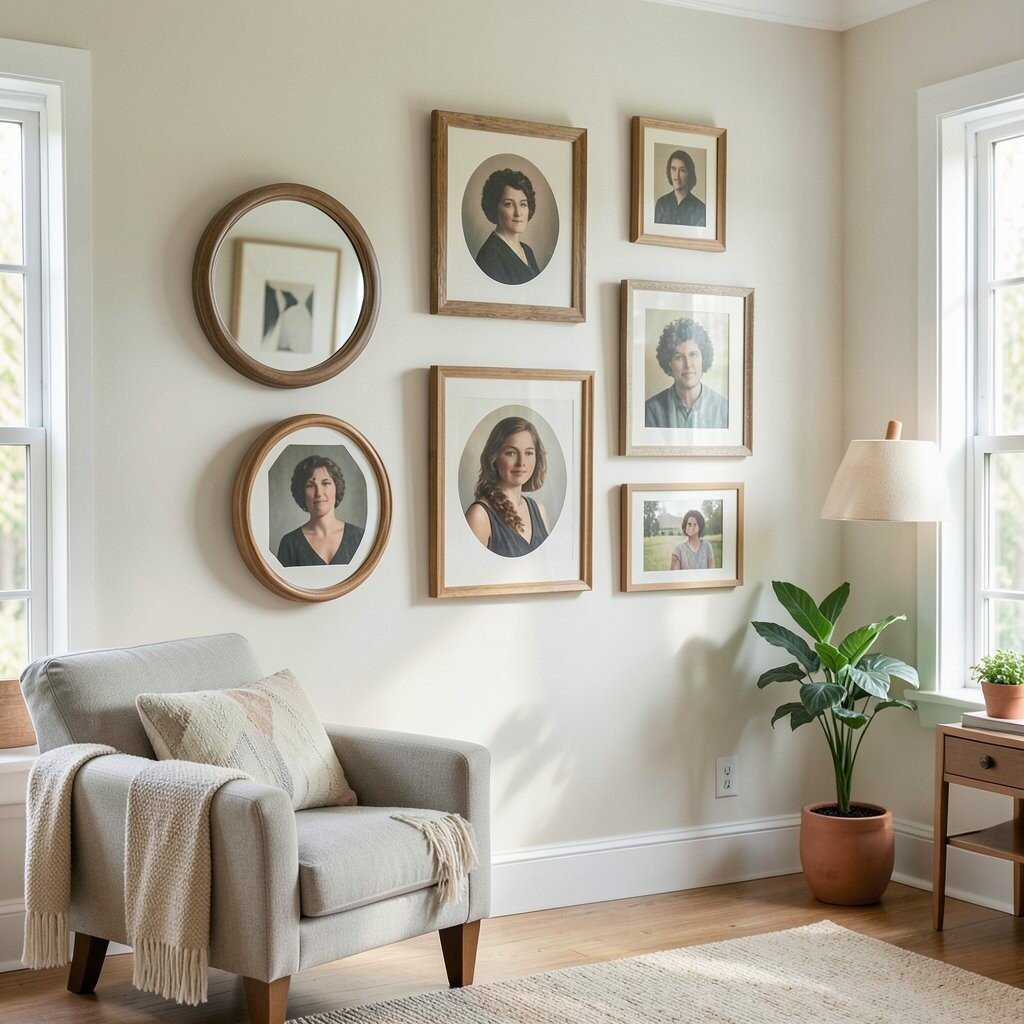
Frames do not all need to be rectangles. A round mirror, an oval portrait, or a square print can make the wall feel lively and surprising.
Different shapes break up long rows and help the eye move around the display. This makes the wall feel more playful and less flat.
When you mix shapes, try to repeat each type at least once so the wall feels connected. That small pattern helps the design look thoughtful, not random.
This idea works well with current home style trends that favor softer, more collected rooms. It also gives you room to use unusual pieces you may already have at home.
7. Think about color before you hang anything
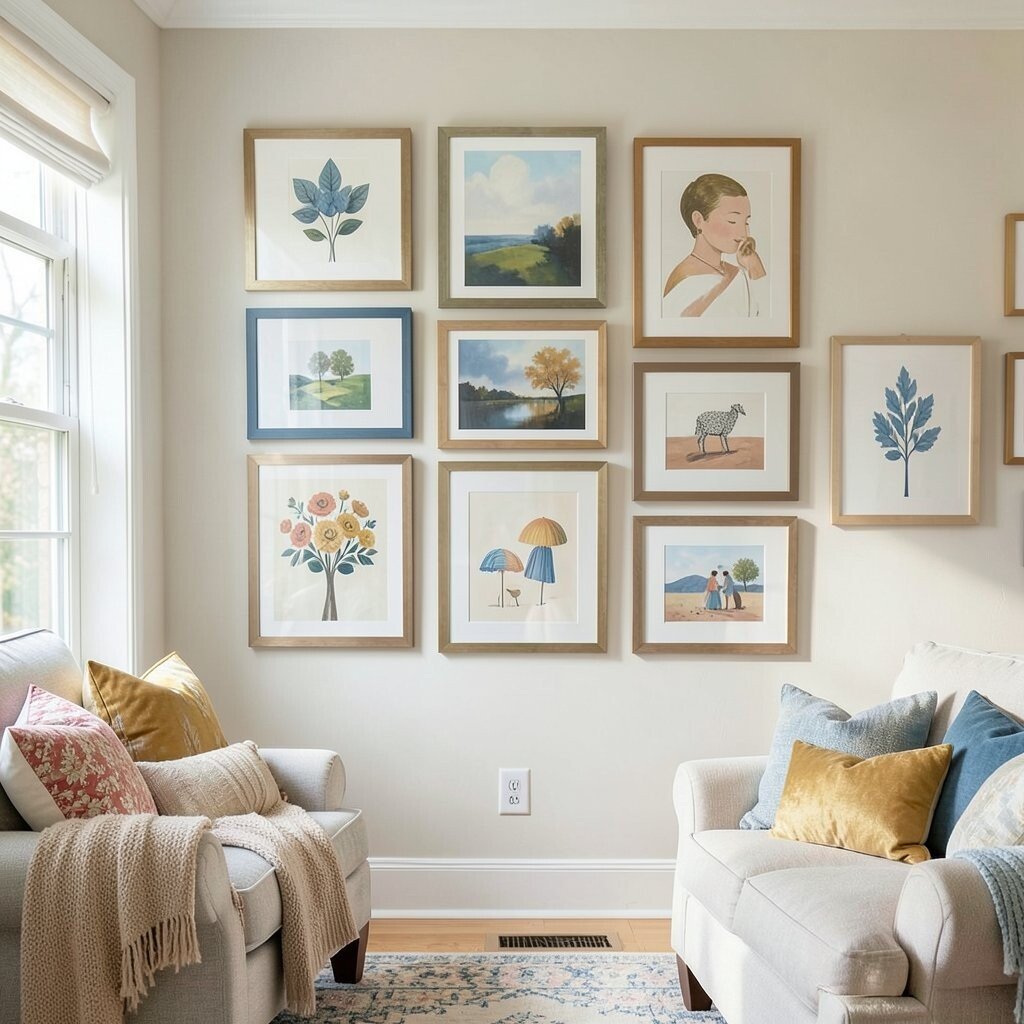
Color can tie a gallery wall together fast. A few shared shades can make different art pieces feel like they belong in the same family.
You might choose soft neutrals for a calm room or bright colors for a happy, lively space. Even one repeated color, like blue or warm gold, can make the wall feel more finished.
If you already have colorful furniture or rugs, pull one or two tones from those items. That gives the room a connected look without needing to buy all new art.
For a budget-friendly wall, use simple prints with colors that match what you own. This lets the gallery wall feel rich and personal without a big price tag.
8. Make sure the wall matches the room’s mood
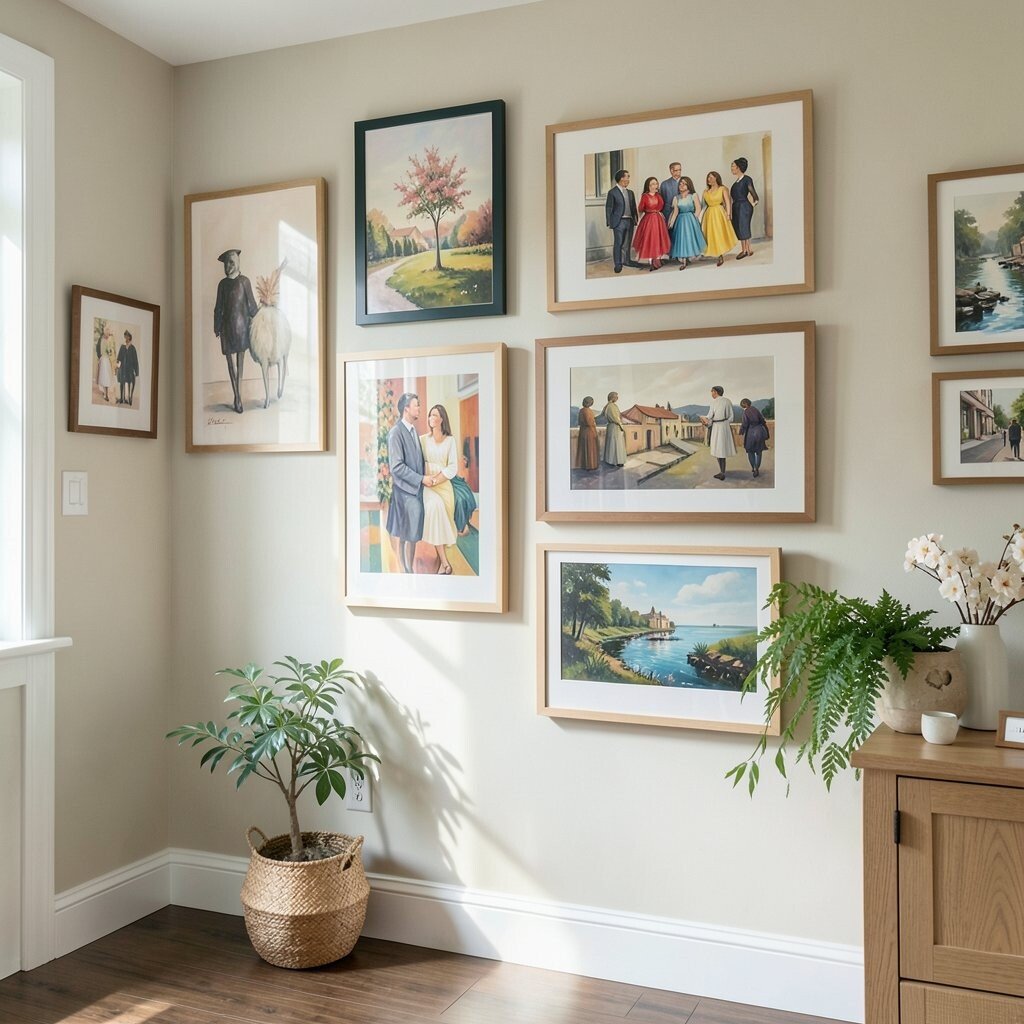
A gallery wall should fit the space around it. A bedroom wall may want soft art and gentle colors, while a hallway can handle more energy and variety.
Think about how the room feels when people walk in. A calm room calls for quieter pieces, while a lively room can support stronger contrast and bolder images.
This helps the wall feel like part of the home instead of a separate display. It also makes decorating easier because the room itself gives you clear hints about what belongs there.
When the mood lines up, the wall feels more personal and more useful. It can even make the room feel more welcoming to guests.
9. Use personal photos in a fresh way
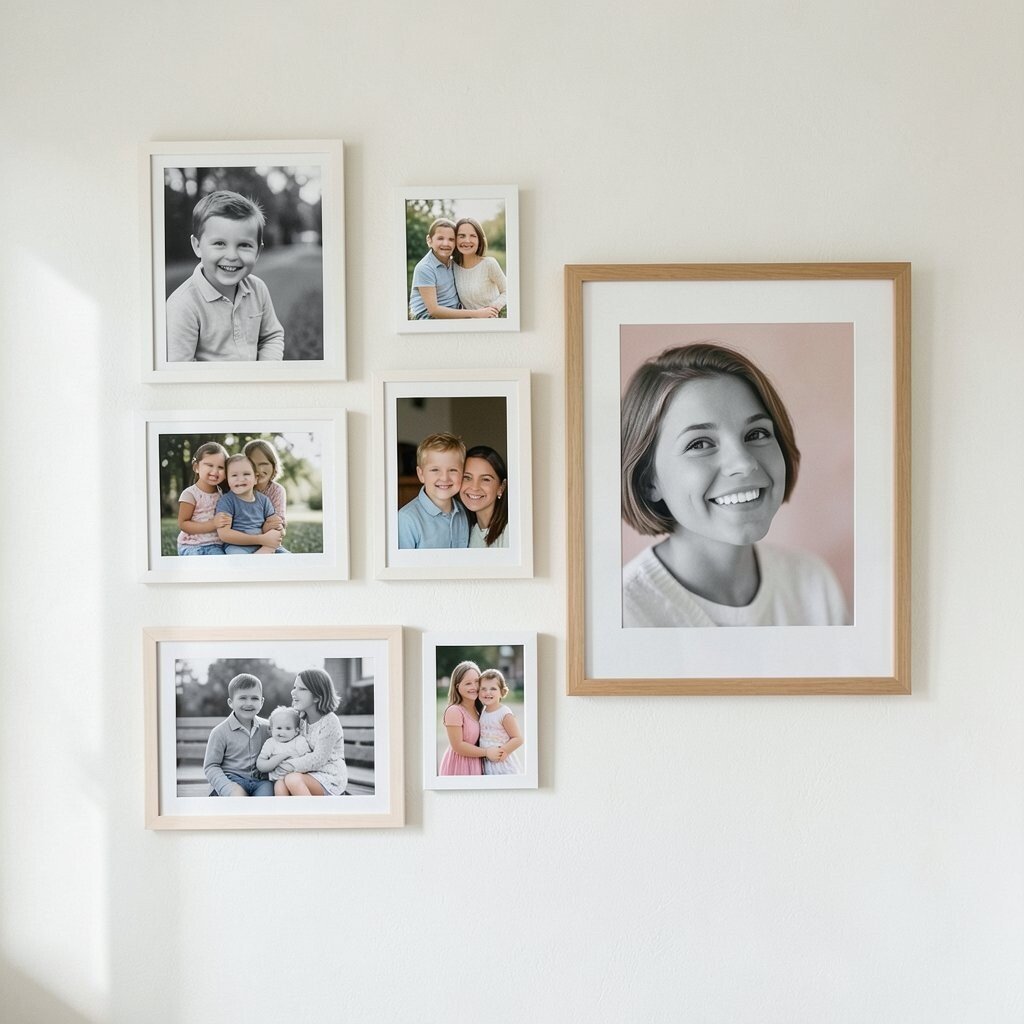
Family photos can be beautiful on a gallery wall, but they look best when mixed with art or simple prints. That mix keeps the wall from feeling too heavy or too formal.
Try black-and-white photos for a clean look, or use a few color photos with matching tones. Small edits like these can make personal pictures feel stylish and current.
You can also print photos in different sizes to add movement. A tiny snapshot next to a larger portrait can tell a richer story and make the wall feel more alive.
This is a low-cost way to fill a wall with meaning. It gives you a display that no store can copy, which makes the room feel truly yours.
10. Leave room for the wall to grow
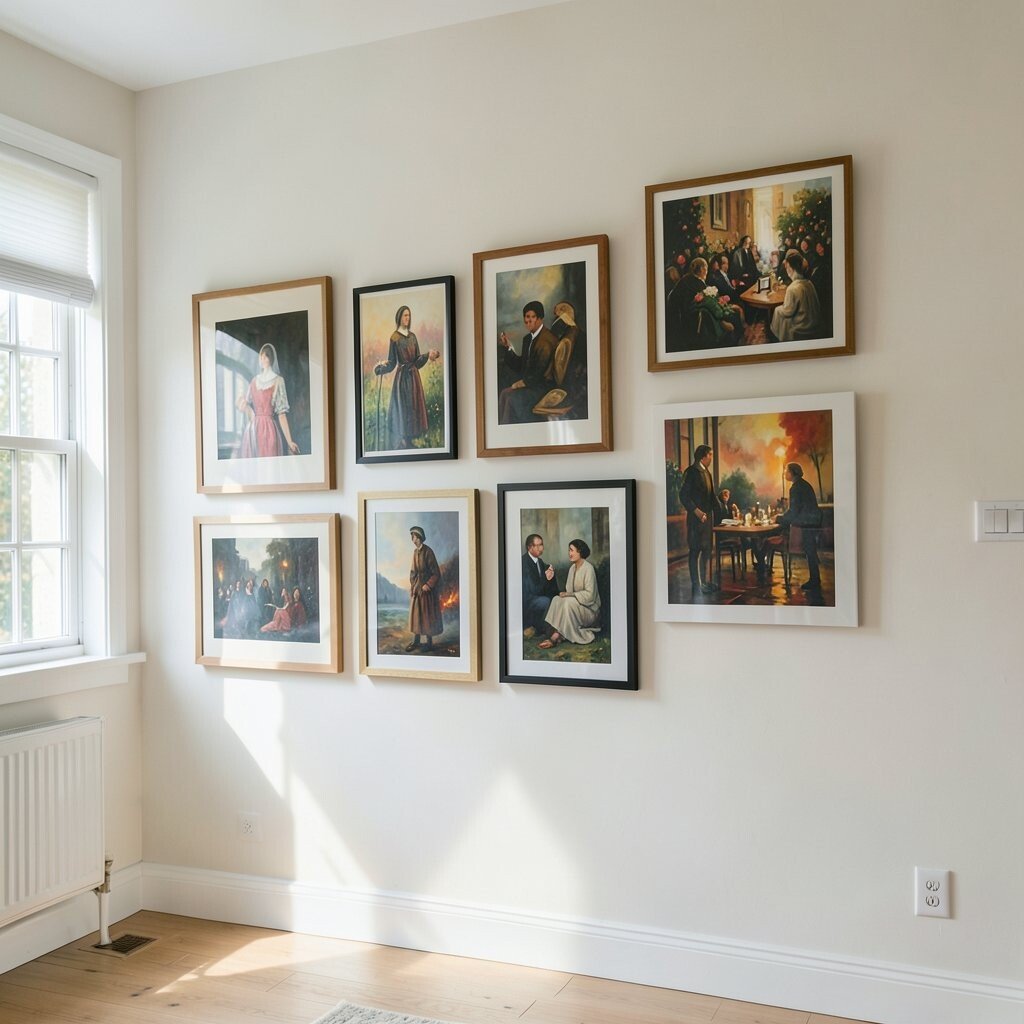
A gallery wall does not need to be finished all at once. Starting with a core group gives you a base that can grow over time.
This is helpful if you like to collect art slowly or if your budget is tight. You can add new pieces later without starting from scratch.
Leaving a little open space also makes the wall feel less crowded. It gives your eyes a place to rest and makes each piece stand out more clearly.
Many people like this flexible style because it feels natural and easy to live with. The wall can change as your taste changes, which keeps it fresh for years.
11. Balance big, medium, and small pieces
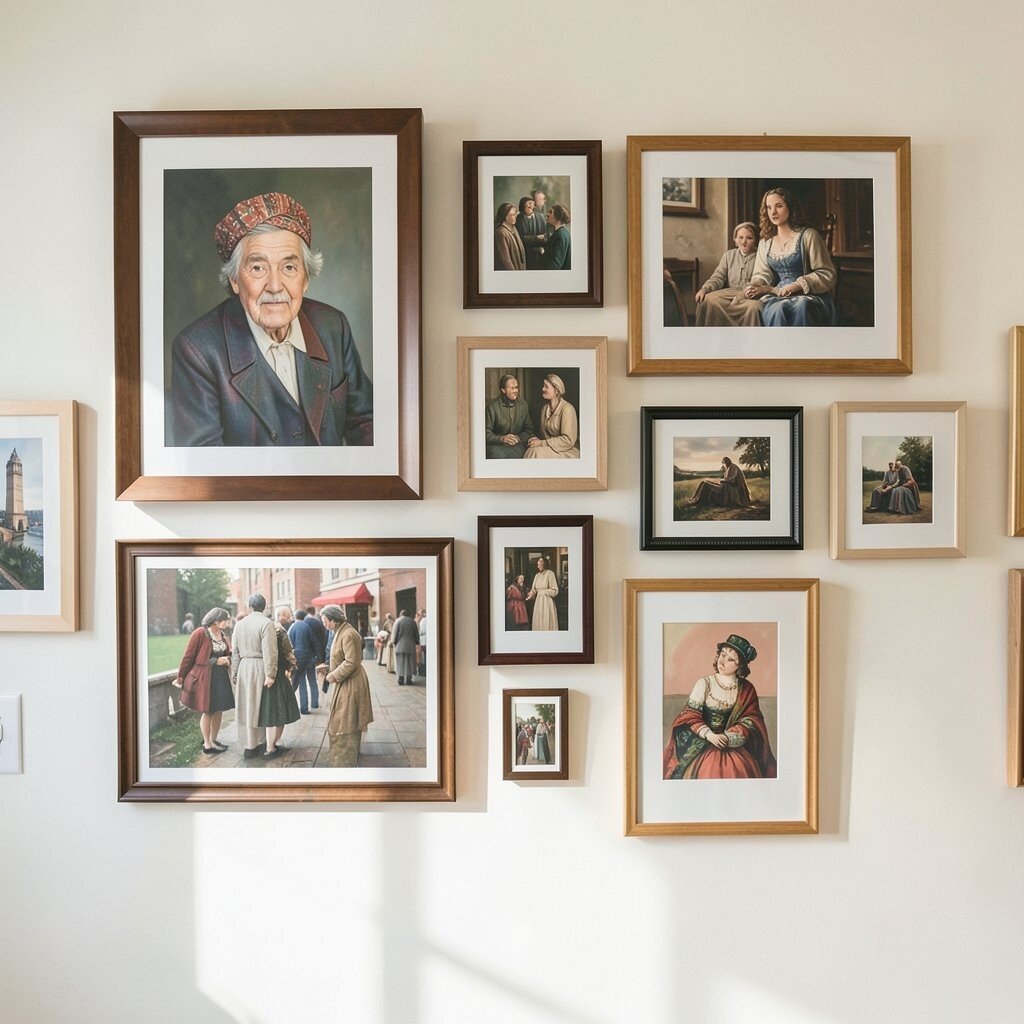
A strong gallery wall usually has a mix of sizes. Large pieces bring weight, medium pieces keep the group steady, and small pieces add detail.
If everything is the same size, the wall can feel flat. A good size mix gives the display rhythm and makes it more fun to look at.
Try placing smaller frames near larger ones so they do not get lost. That helps the whole arrangement feel balanced instead of top-heavy or too empty.
This method is also useful when shopping secondhand, since thrift stores often have odd sizes. With the right mix, those low-cost finds can look like they were picked on purpose.
12. Use mats to make simple art feel special
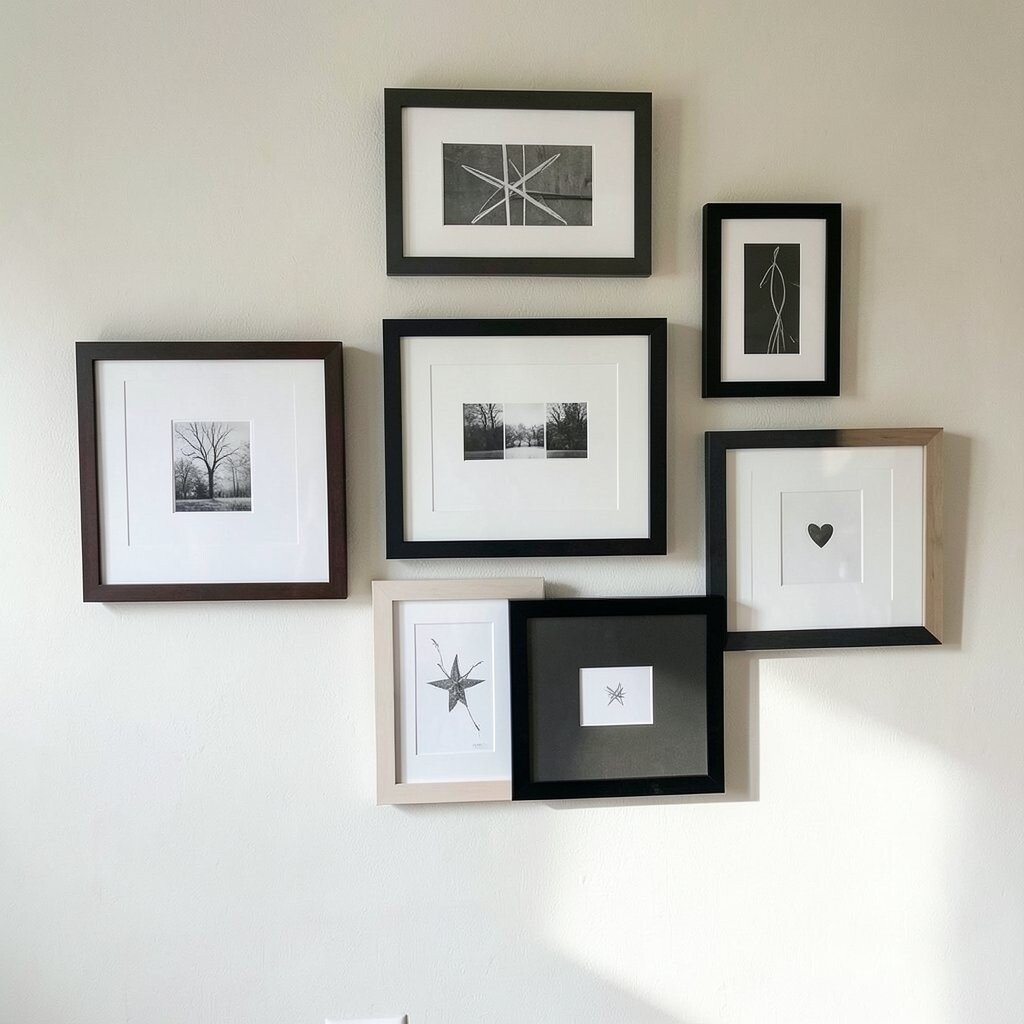
Mats can give a frame a cleaner and more polished look. They also help small art pieces feel bigger and more important on the wall.
A wide white mat can make a tiny print look bright and elegant. Dark mats can add drama and help a light image stand out in a bold way.
This is a smart trick if you want a high-end look without paying for large artwork. It can make affordable prints feel more finished and professional.
Try using the same mat style across several frames for a neat look. Or change the mat color on one special piece if you want it to act like a quiet star.
13. Pay attention to wall height
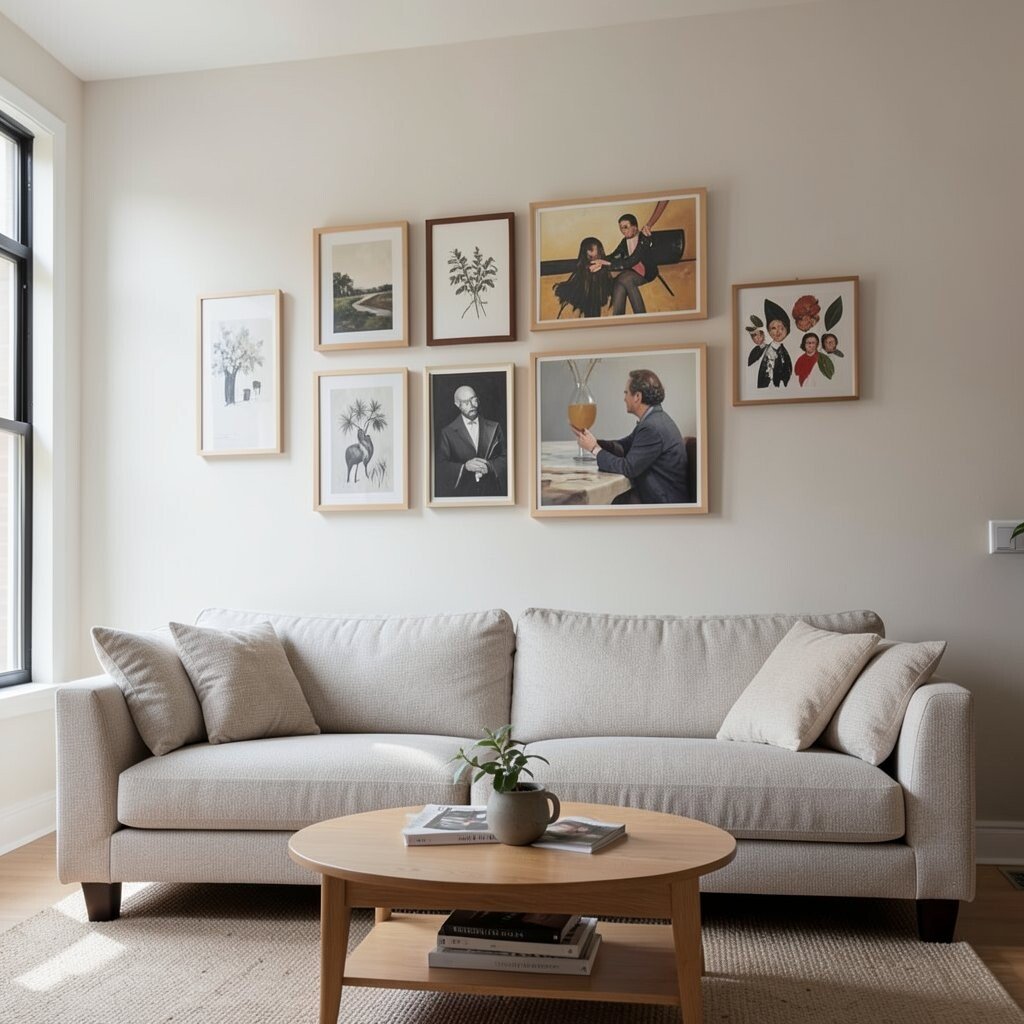
Gallery walls look best when they sit at a comfortable eye level. If the group is too high, it can feel distant and hard to enjoy.
As a simple guide, keep the center of the arrangement near the height where people naturally look. That helps the wall feel friendly and easy to take in.
This matters even more above furniture like sofas, beds, or sideboards. The art should feel connected to the furniture, not floating far above it.
When the wall is placed well, the whole room feels more settled. It can also make the display look bigger and more thoughtful without adding more pieces.
14. Add one unexpected item for charm
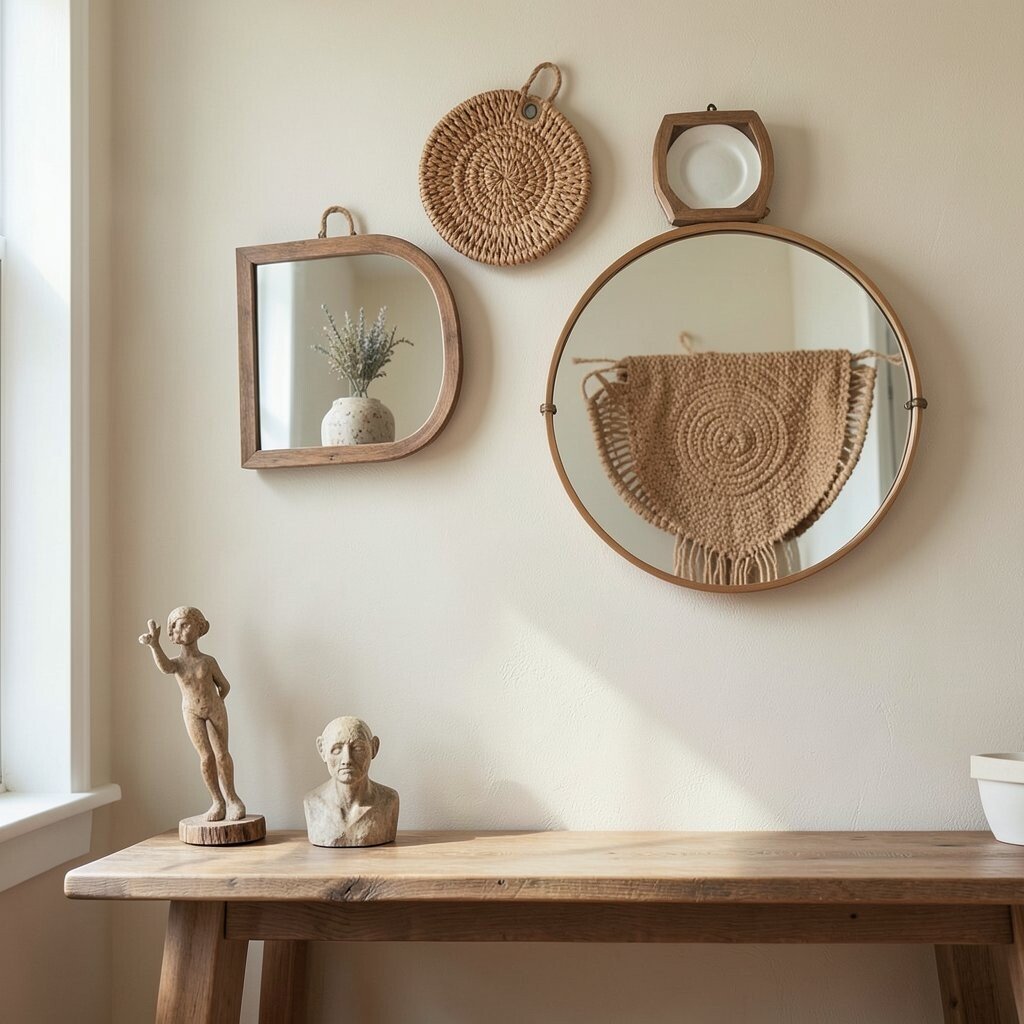
A gallery wall does not have to be only framed art. A small sculpture, a woven piece, a plate, or a mirror can give it extra personality.
That one surprise item can keep the wall from feeling too serious. It adds texture and makes visitors look twice, which is part of the fun.
Choose something that fits the rest of the wall in color or mood so it feels like a smart twist. The goal is interest, not chaos.
This is a great way to use handmade items or souvenirs from trips. It keeps costs in check and gives the wall a story that feels one of a kind.
15. Step back and edit until it feels right
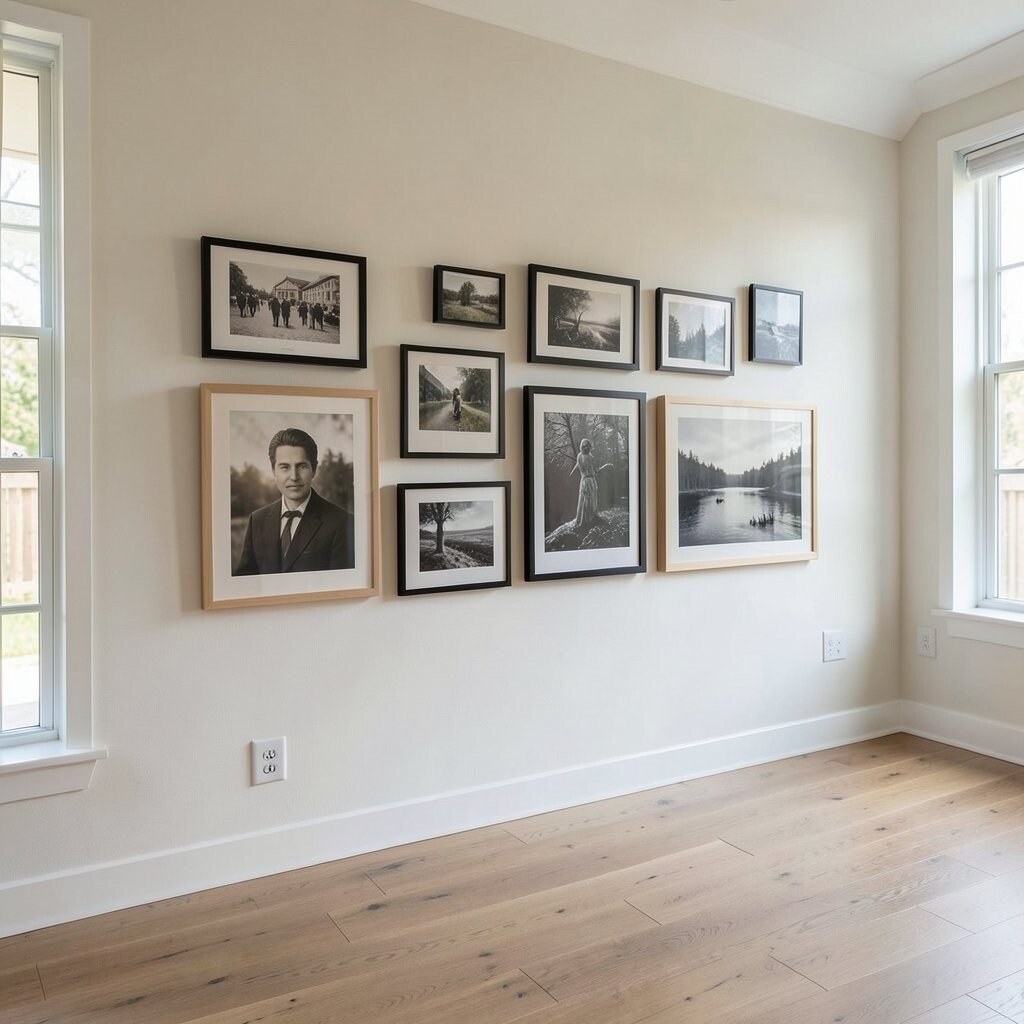
Good gallery walls often look easy, but they usually need a few edits. After hanging the pieces, step back and see what feels too crowded, too empty, or out of place.
Removing one frame can sometimes make the whole wall look better. A little space can sharpen the design and help the strongest pieces shine.
Keep adjusting until the wall feels balanced to your eye, not just filled up. Your taste matters most, and a wall that feels right to you will always look better than one that follows every rule.
If you notice one piece is too dark, too small, or not quite part of the story, swap it out. That final round of editing is often what makes the gallery wall feel unique, polished, and truly finished.