Your jewelry can look tired even when you only wore it a few times. With the right care, it can shine like it belongs in a storefront window again.
Great cleaning is part science and part feeling. When you treat each piece with a little kindness, the results look instantly satisfying.
1. Start With Gentle Soap And Warm Water
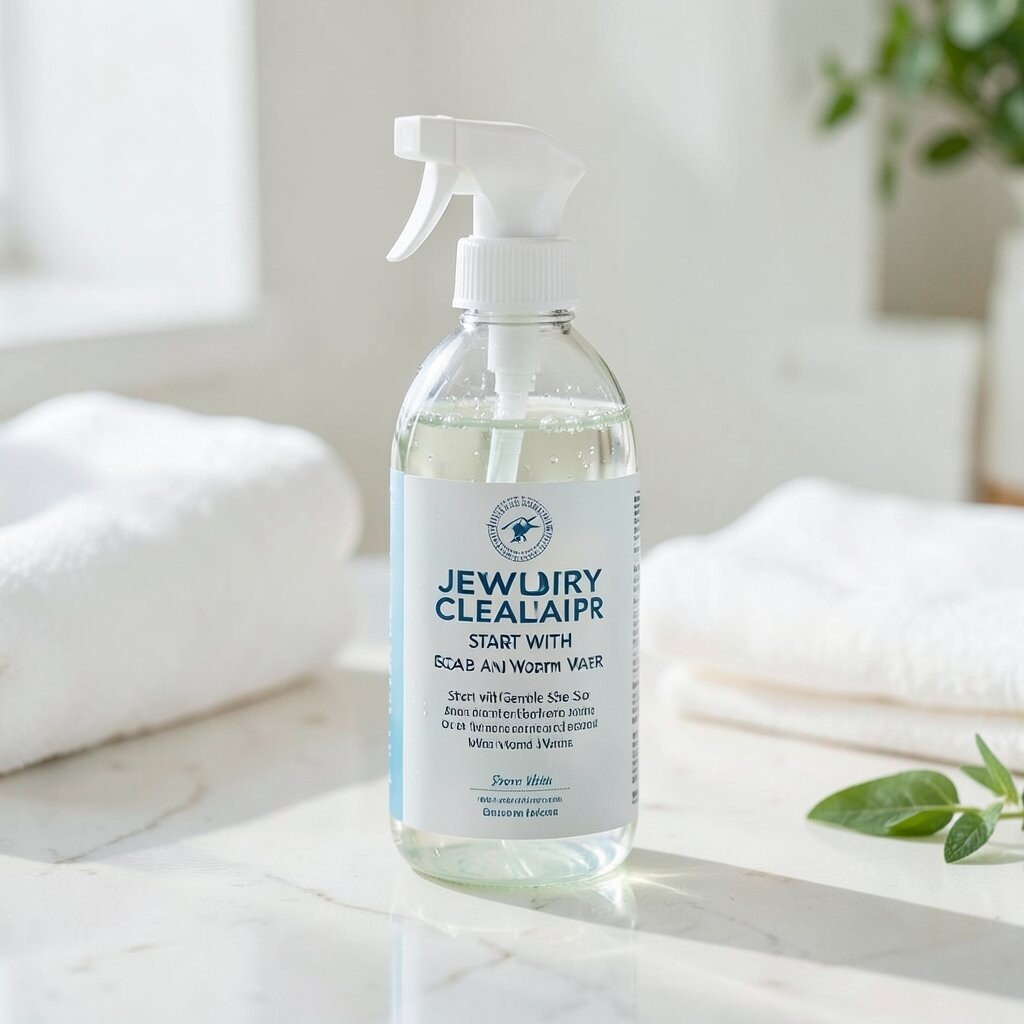
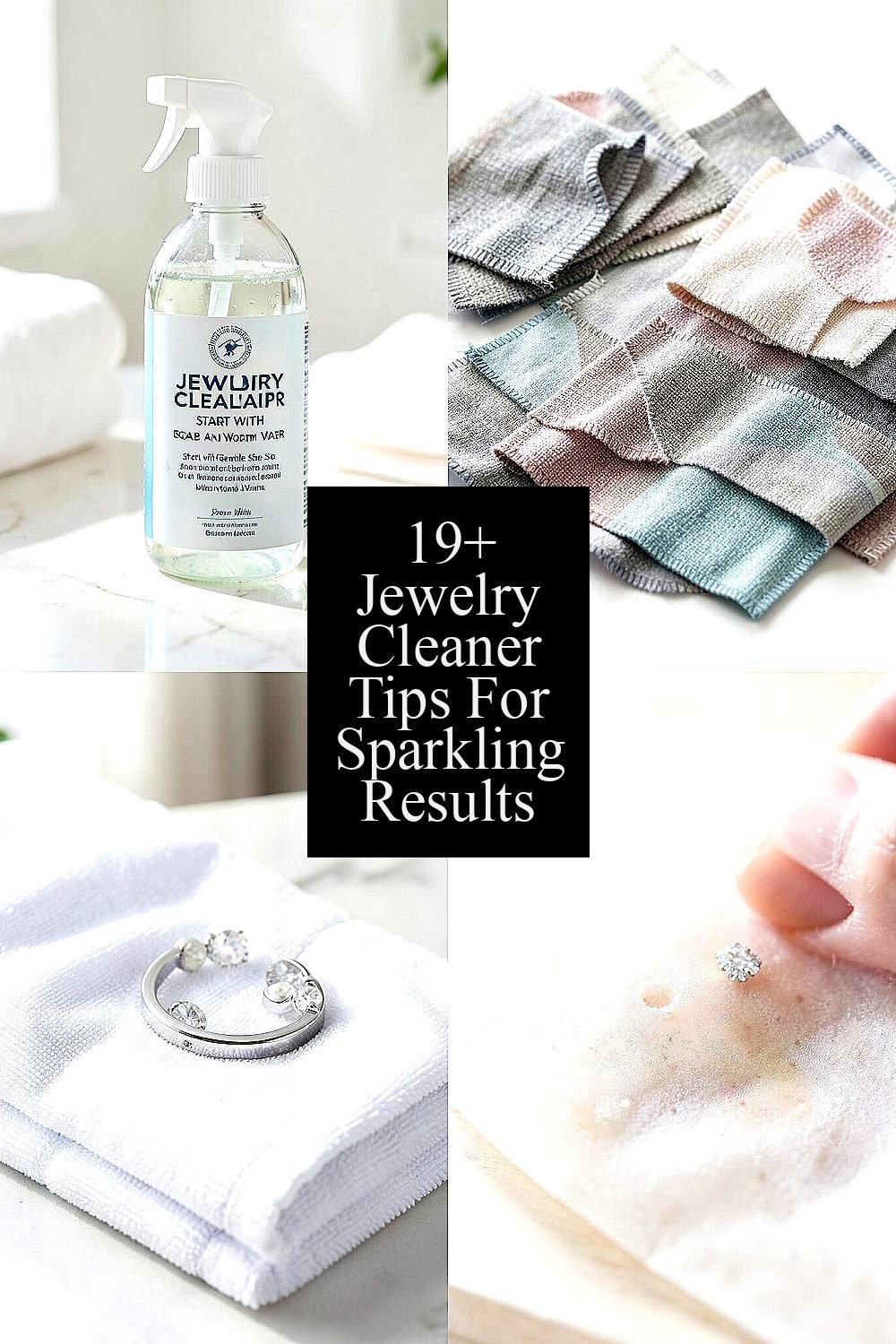
Fill a small bowl with warm water and add a tiny amount of mild dish soap. The surface can look cloudy at first, then clears as the grime loosens.
Let the jewelry soak briefly, then use a soft toothbrush to lightly brush the details. Rinse well and pat dry with a lint-free cloth, so water spots don’t sneak back. This simple method is budget-friendly and works for many everyday pieces.
2. Use Separate Cloths For Different Metals
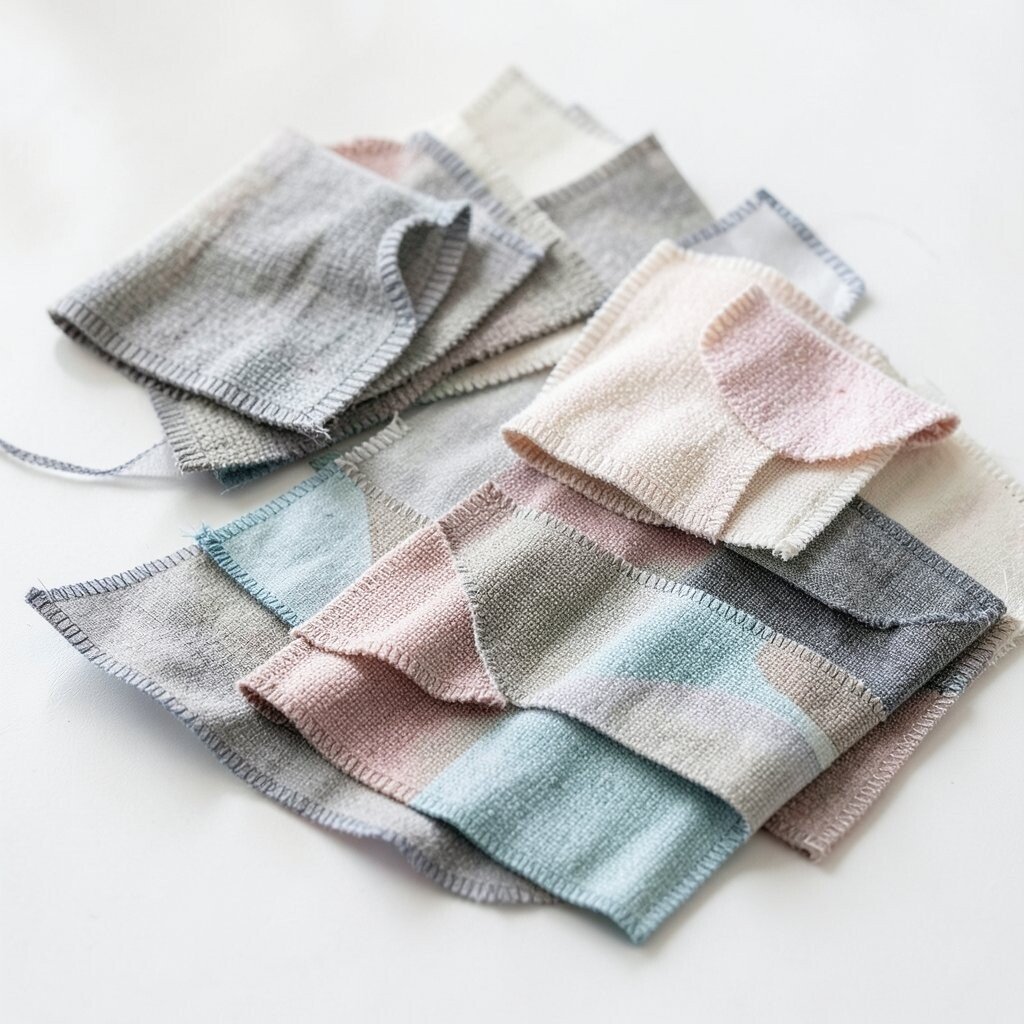
Keep a separate lint-free cloth for silver, gold, and costume jewelry. You can see why when one cloth still holds a faint polish residue and dulls the next piece.
After drying, buff in small circles using only that metal’s cloth. This helps each finish stay crisp and reduces the chance of cross-transfer damage.
If you like personalization, label cloths with tiny colored thread ties or a washable marker on the drawer side. It keeps your routine organized without adding extra expense.
3. Choose A Microfiber Towel Over Paper Towels
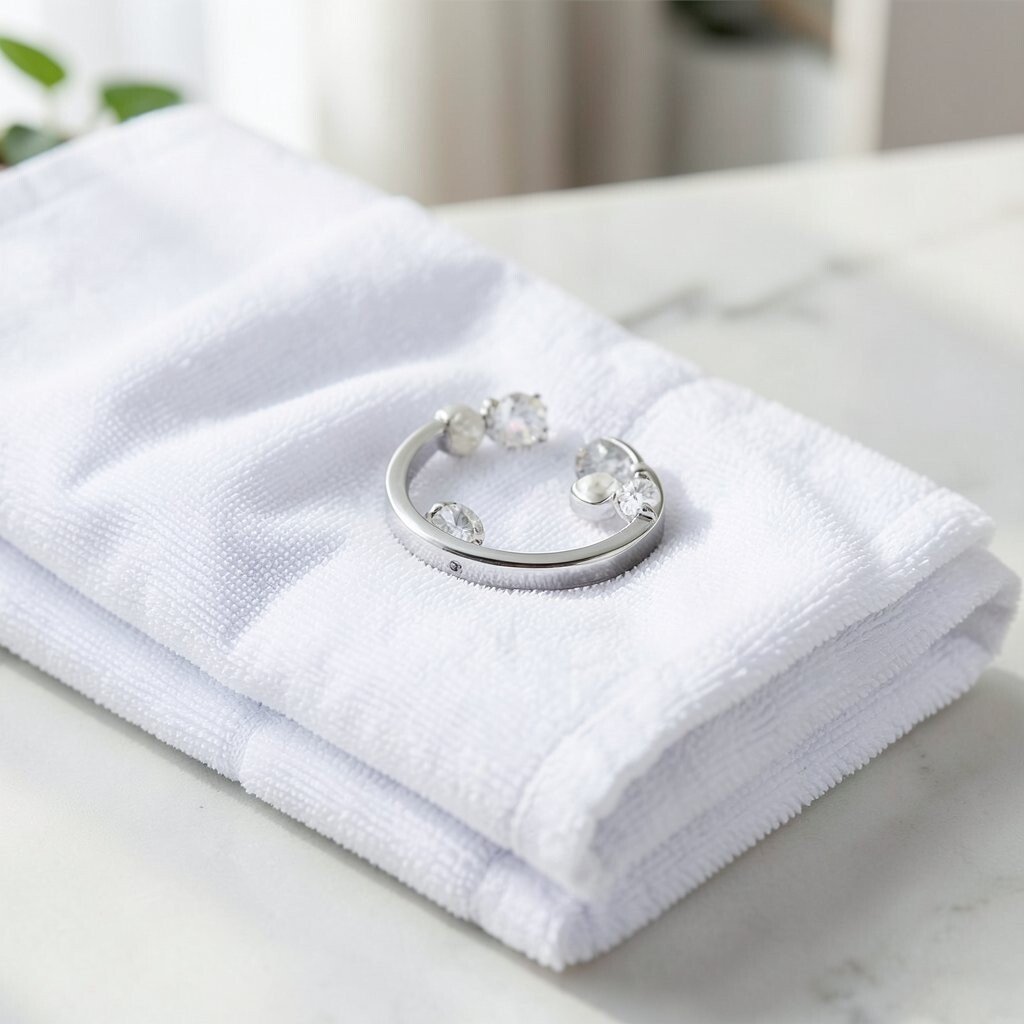
Microfiber feels smoother than paper towels, so it won’t scratch delicate textures. When you dry with microfiber, the setting looks brighter and the stones look more alive.
Paper towels can leave tiny bits behind, especially on chain links and around prongs. Use microfiber to wipe away water calmly, then do a quick final buff for extra sparkle.
This small upgrade fits today’s trend of gentle, fabric-based care. It costs a little at first, but one towel can last a long time with careful washing.
4. Test A Hidden Spot Before Any Cleaner

Before using any solution, try it on a small hidden area first. You may notice the color shifts subtly, especially on plated items or antique finishes.
A quick test helps you choose the safest approach for that exact piece. It also gives you confidence, since the rest of the jewelry stays protected.
5. Skip Ultrasonic Cleaning For Delicate Settings
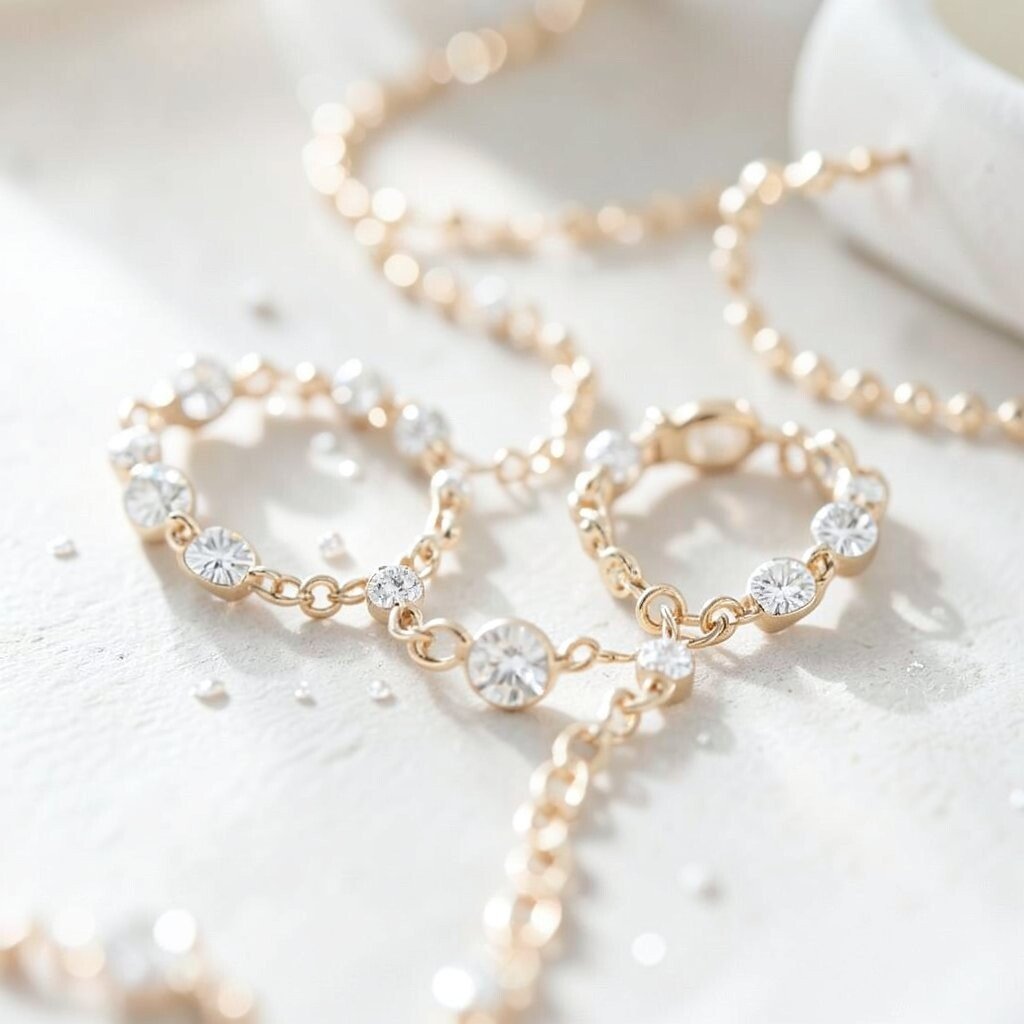
Ultrasonic cleaners can blast away dirt, but they can also loosen glue-set stones. If you see tiny gaps around a gemstone, it’s a sign to be extra careful.
Choose hand cleaning for pieces with pearls, glued gems, or very thin prongs. The chain may still sparkle beautifully, just with more patient brushing.
This approach matches what many jewelry sellers recommend now, because protection is in style. It might take a few extra minutes, but your stones stay secure.
6. Remove Grease With A Steam-Free Method
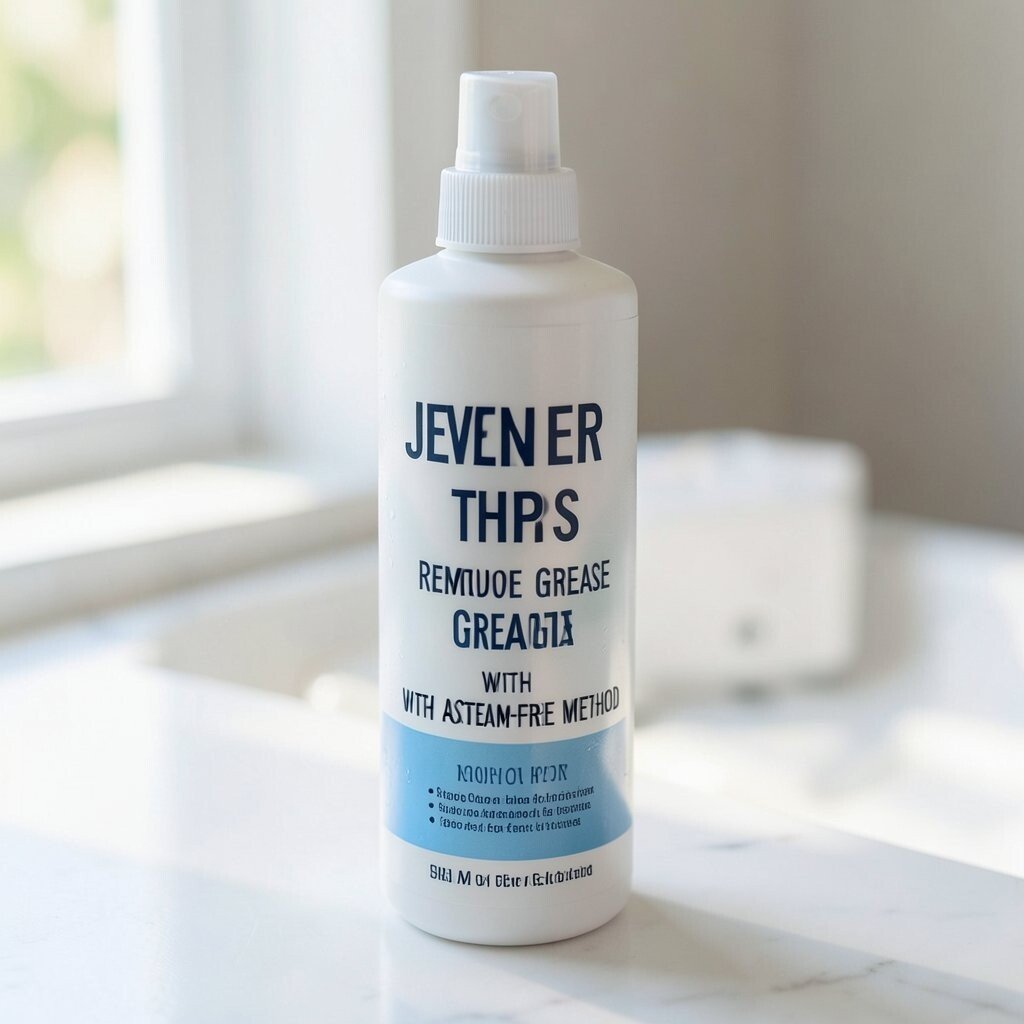
Body oils and lotion can cling to rings and bracelets, creating a dull film. The metal may look matte even when the surface should be reflective.
Use soap and water, then finish with a gentle buffing cloth. If grime is heavy, a slightly longer soak helps, but keep it mild to avoid damage.
7. Clean After Wearing, Not Only When It Looks Bad
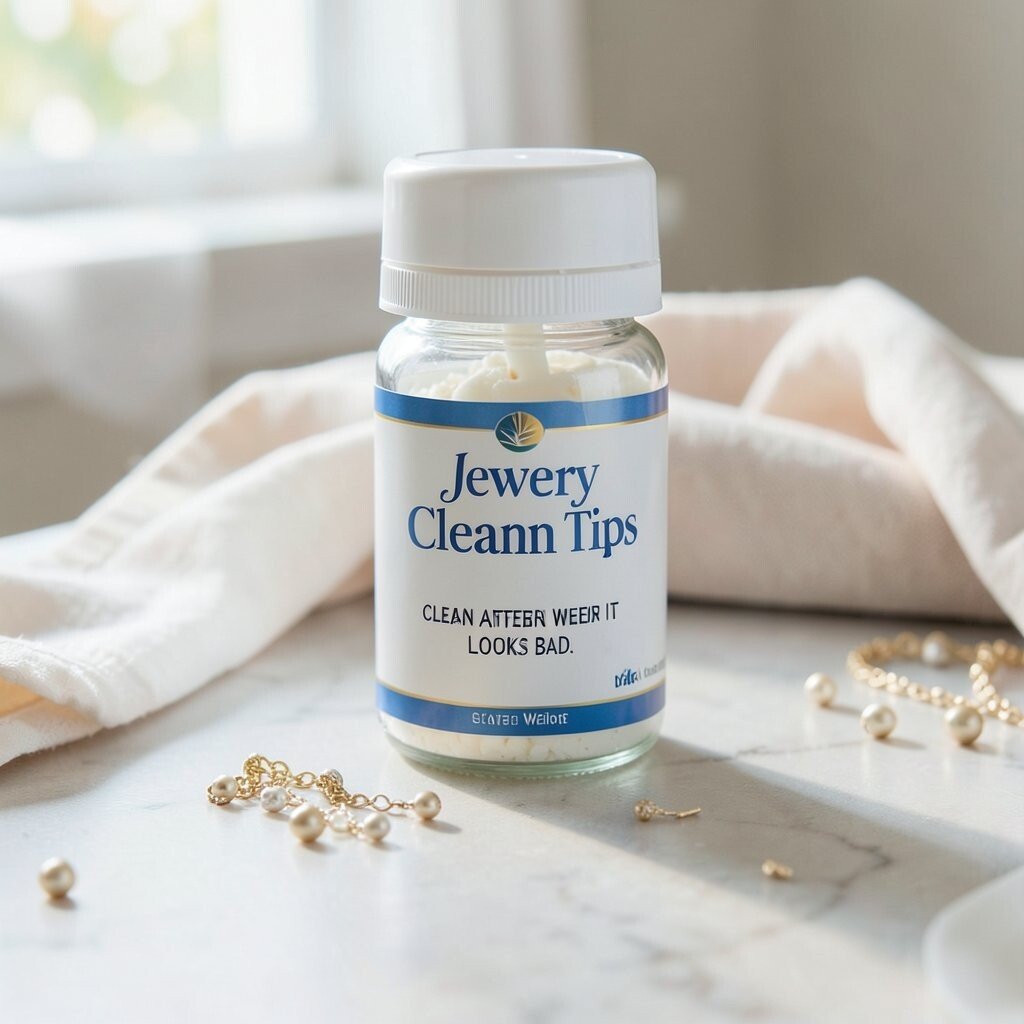
When you clean soon after wearing, buildup has less time to harden. You’ll often see a thin haze lift right away instead of needing strong effort.
Set a small routine for after-dinner accessories or weekly jewelry time. The payoff is that your sparkle stays consistent, and you avoid deep scrubbing.
This habit also keeps your jewelry looking like it’s ready for any event. It saves money too, since you rely less on expensive restoration services.
8. Respect The Differences Between Plated And Solid Metal
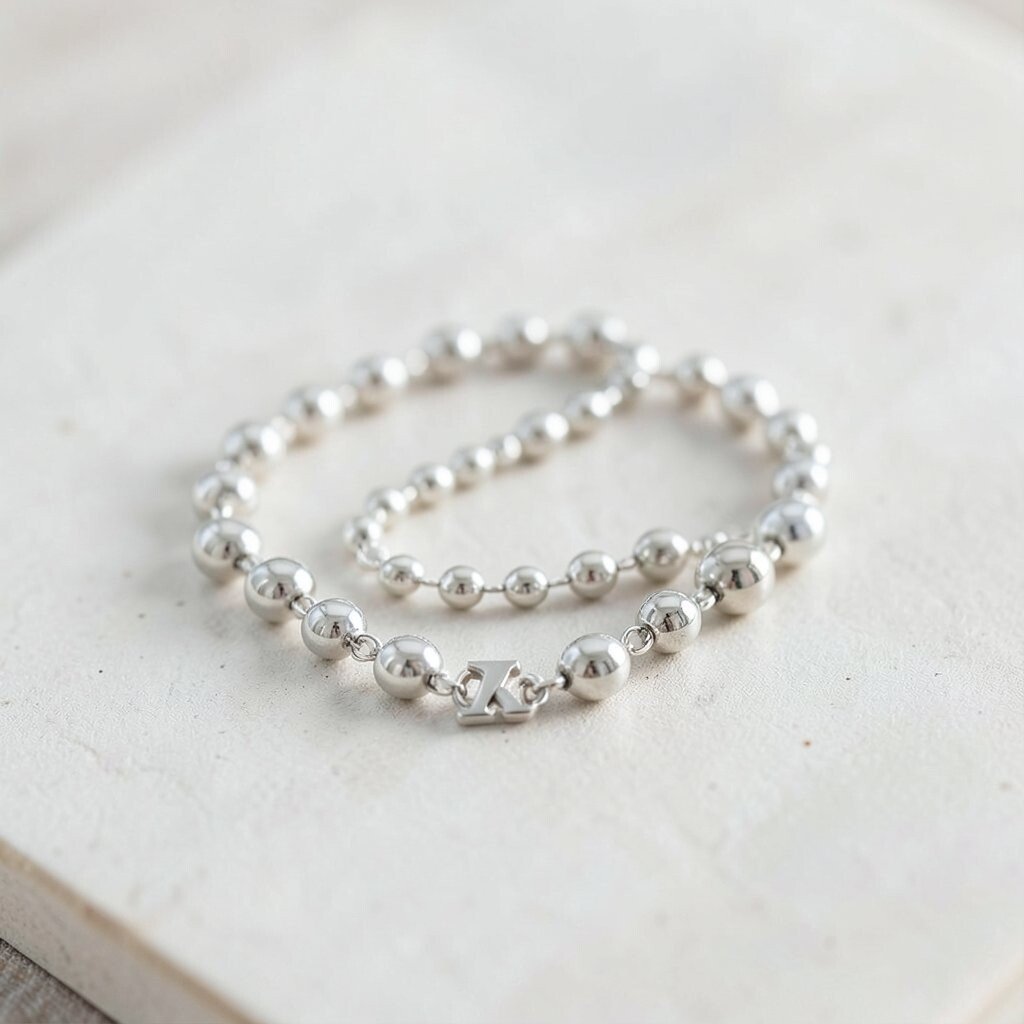
Plated jewelry needs gentler care than solid metal because the top layer can wear away. If you notice the shine seems uneven, you may be seeing early plating fatigue.
Use mild soap and avoid harsh chemicals that strip or discolor. A quick rinse and careful drying keep the finish looking fresh longer.
9. Use A Soft Toothbrush For Chains And Corners
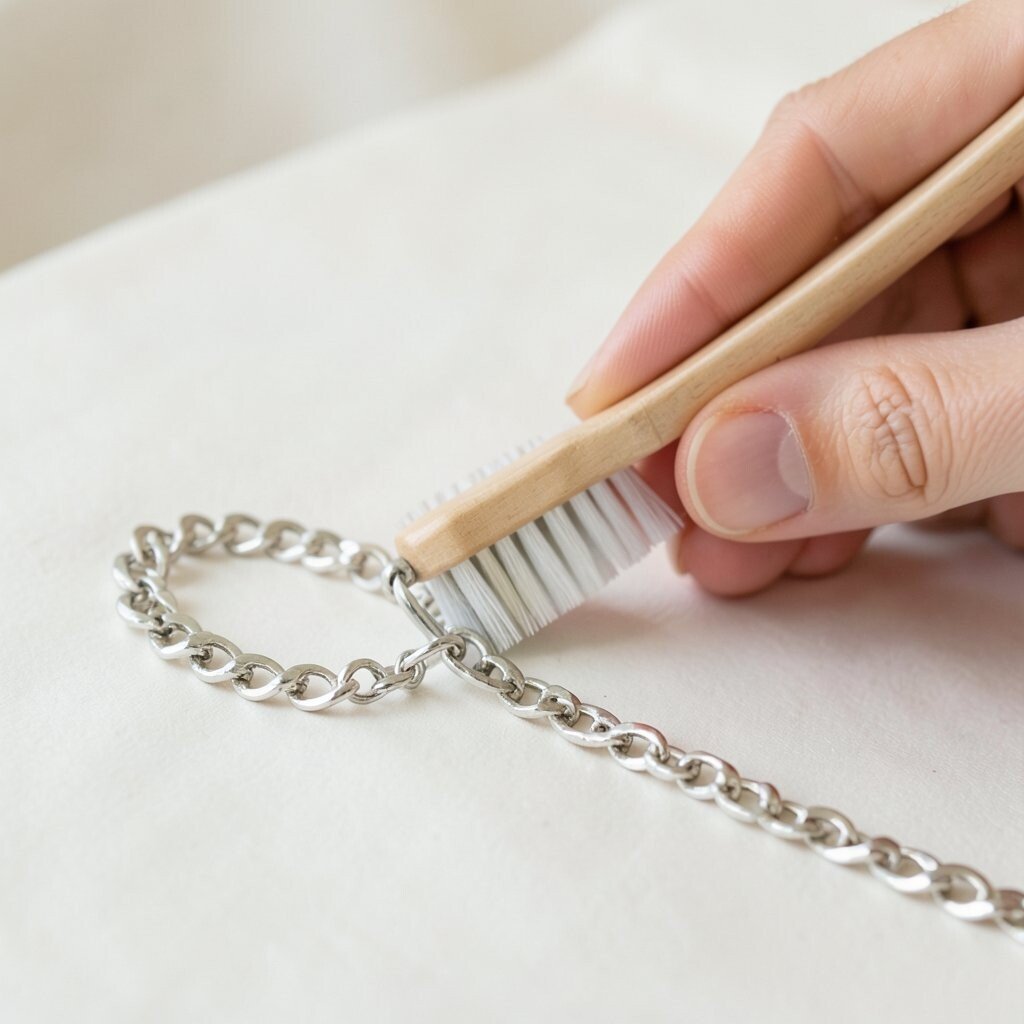
A toothbrush with soft bristles can reach where cloth can’t. As you brush, dirt in the links often turns into small grey smudges, then lifts away.
Move slowly and rotate the chain as you clean. This gives you even results without bending links or stressing the clasp.
If you want a fun personalization, keep a brush just for jewelry and store it with a tiny ribbon. It turns “cleaning time” into something you’ll actually enjoy.
10. Rinse Thoroughly To Prevent Soap Film
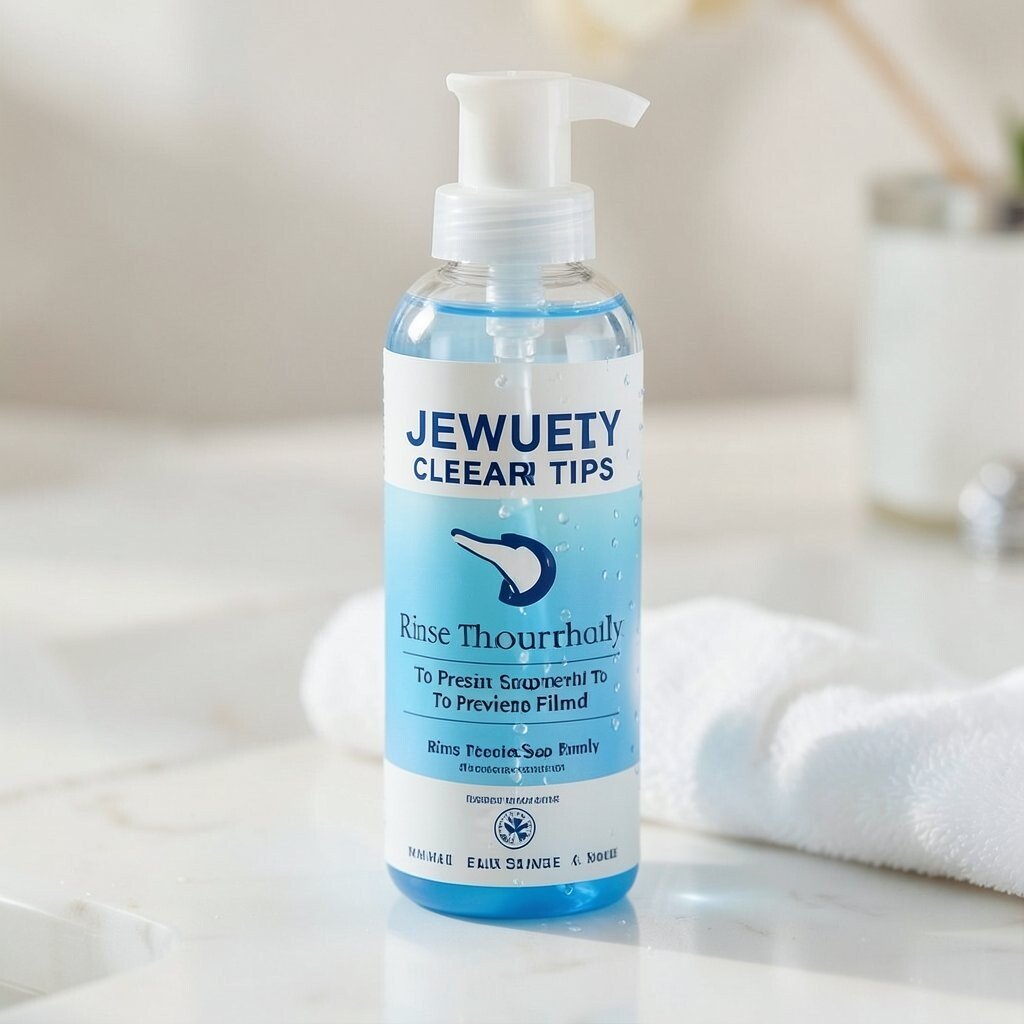
Soap residue can dull the shine even after you dry. The jewelry may look clean at first, then catches light in a dull, hazy way later.
Rinse under gentle running water until you no longer feel slippery soap. After that, dry with a towel and buff lightly so the surface turns bright again.
11. Use Baking Soda Only With Caution
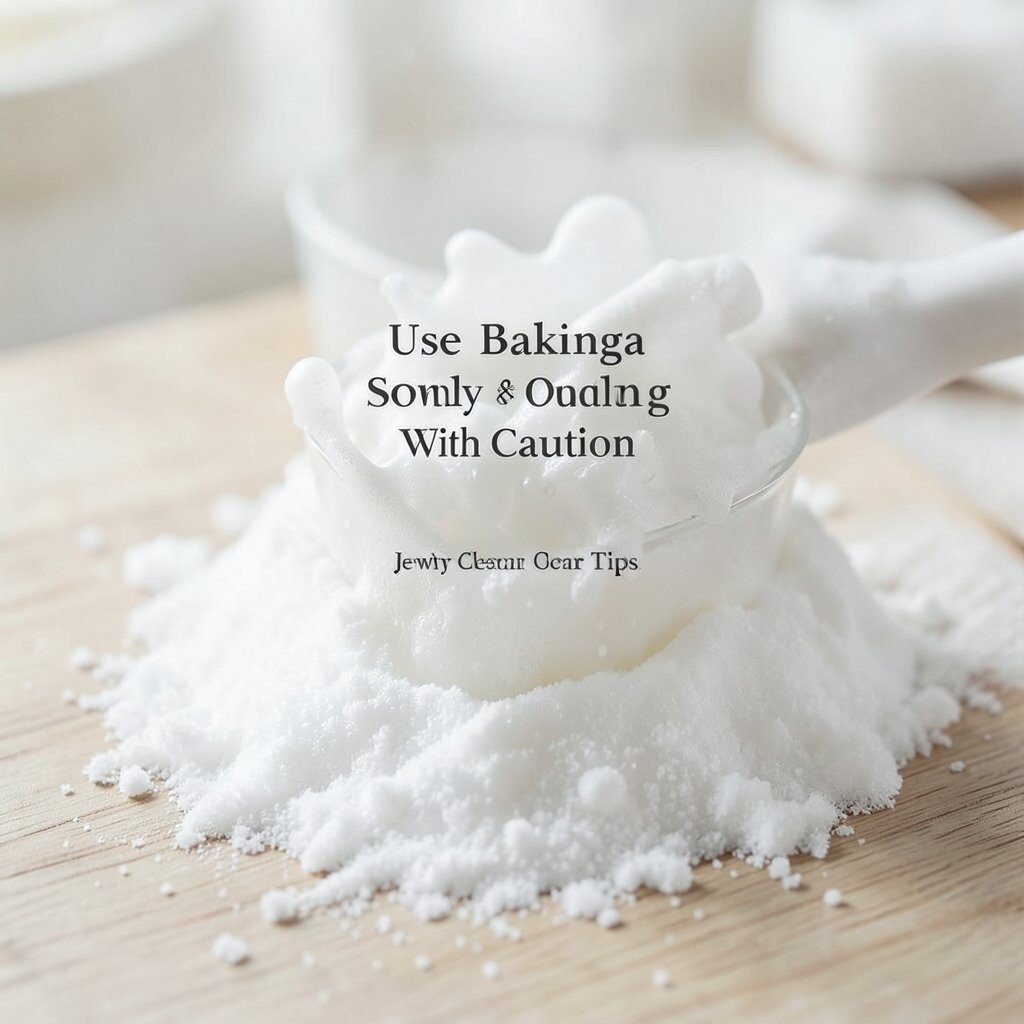
Baking soda can be helpful on some metals, but it can be too abrasive for certain finishes. You might see a scratched look on delicate textures if you scrub too hard.
If you try it, mix it into a paste and use light pressure with a soft cloth. Rinse very well and dry completely to avoid any leftover powder.
This is why it’s smart to match the cleaner to the metal type. It can be low-cost, but choosing wisely keeps the finish intact.
12. Try A Jewelry Wipe For Quick Touch-Ups
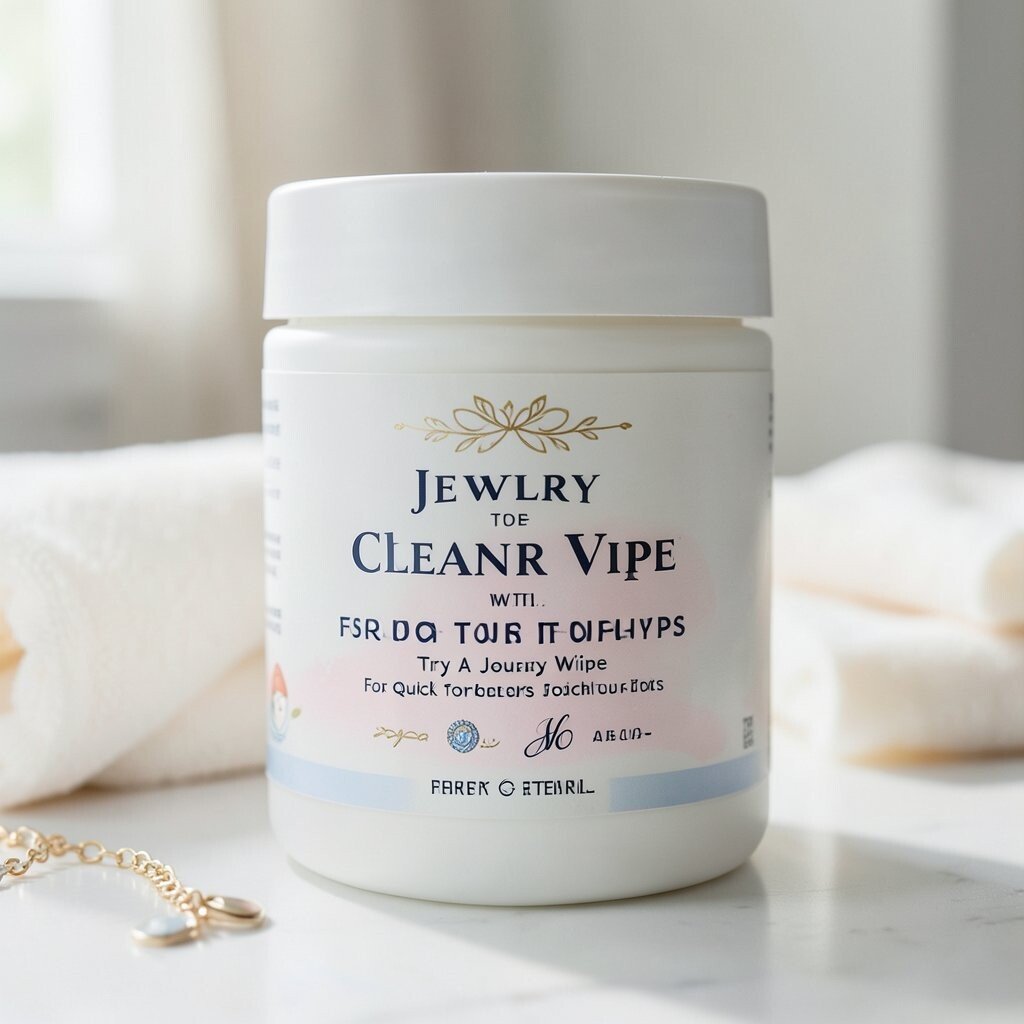
Convenient jewelry wipes can refresh shine between deeper cleanings. You’ll notice the surface looks clearer right away, especially on rings and earrings.
Use them when your jewelry only needs light polishing, not heavy removal of grime. This fits busy schedules and current habits of quick care routines.
13. Clean Gemstones Using Water-Safe Rules
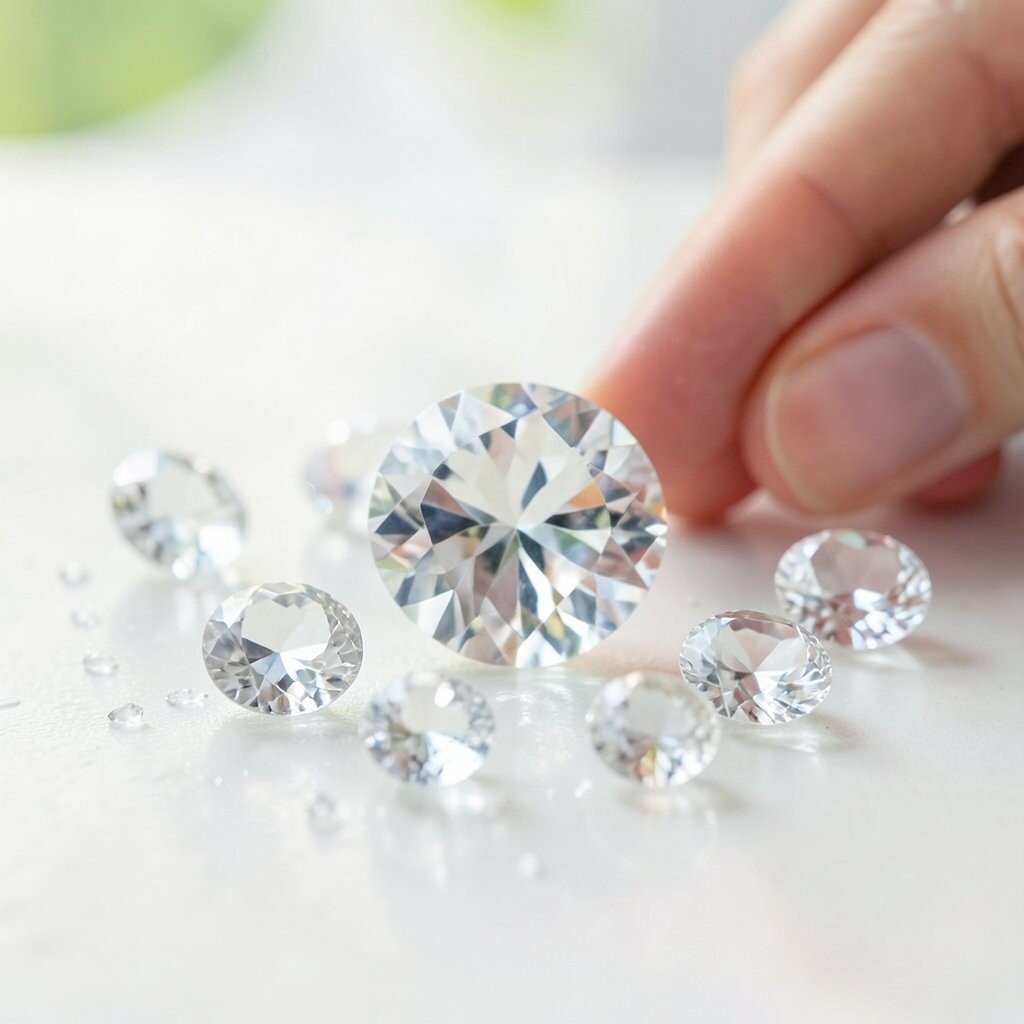
Some gemstones enjoy mild water and soap, while others hate soaking. If your piece has porous stones, they can absorb moisture and lose their luster.
Look at the way the stone sits and check for special treatments like waxed or dyed finishes. When in doubt, a barely damp cloth and gentle brushing around the setting can be safer.
For personalization, you can keep a small “stone-friendly” pouch of cloths based on what you own. It turns your cleaning into something tailored rather than one-size-fits-all.
14. Keep Jewelry Away From Hair Spray And Perfume
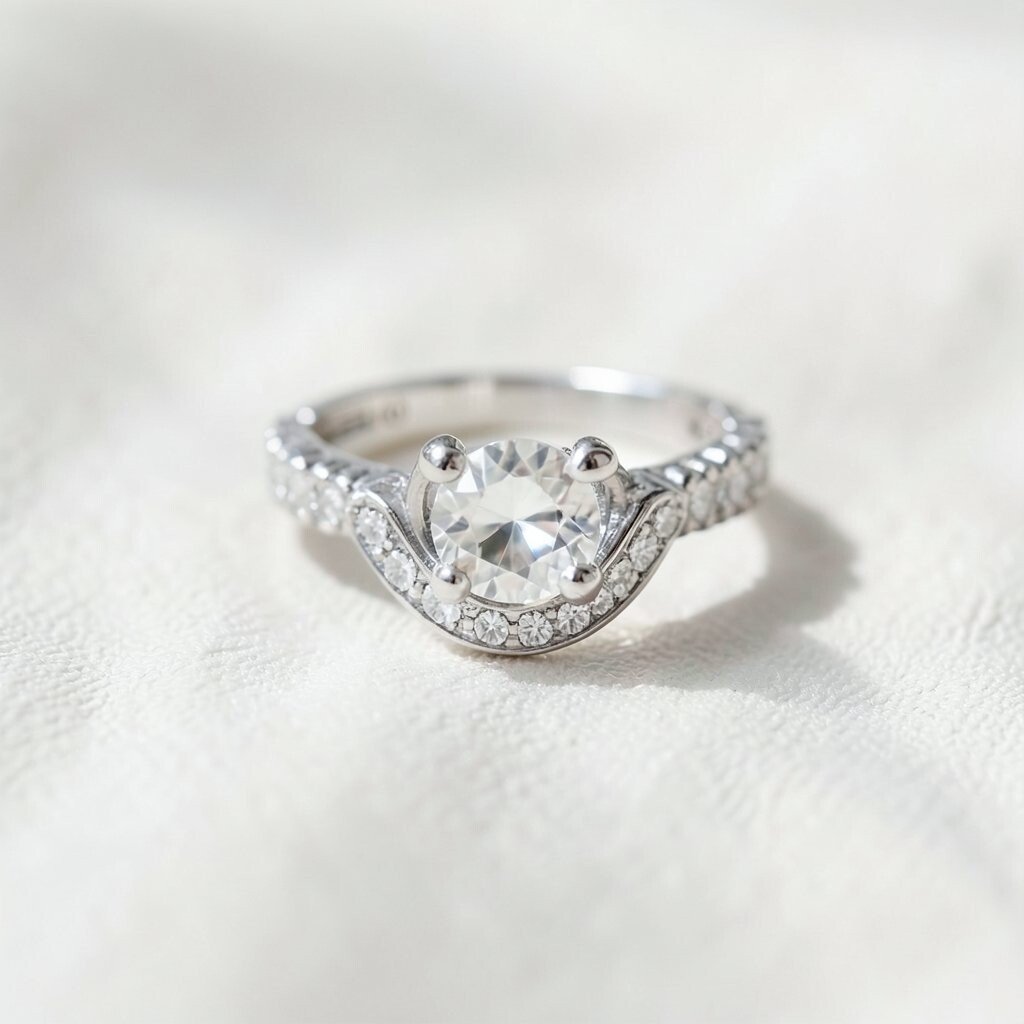
Hair spray mist and perfume residue can build up as a sticky film. Over time, the sparkle feels muted even when the stones look clean.
Put jewelry on after you dress and after you spray fragrance. This small change keeps the surface clearer and reduces the need for frequent heavy cleaning.
15. Don’t Forget The Back Of Earrings And Pendants

The back side of jewelry collects sweat and lotion just like the front. When you clean only the visible side, the piece may still look dull from certain angles.
Use the toothbrush or a soft cloth to clean the back and along edges. You’ll be surprised how much brighter the whole piece looks once every surface gets attention.
16. Use Glass Cleaner Only For Specific Situations
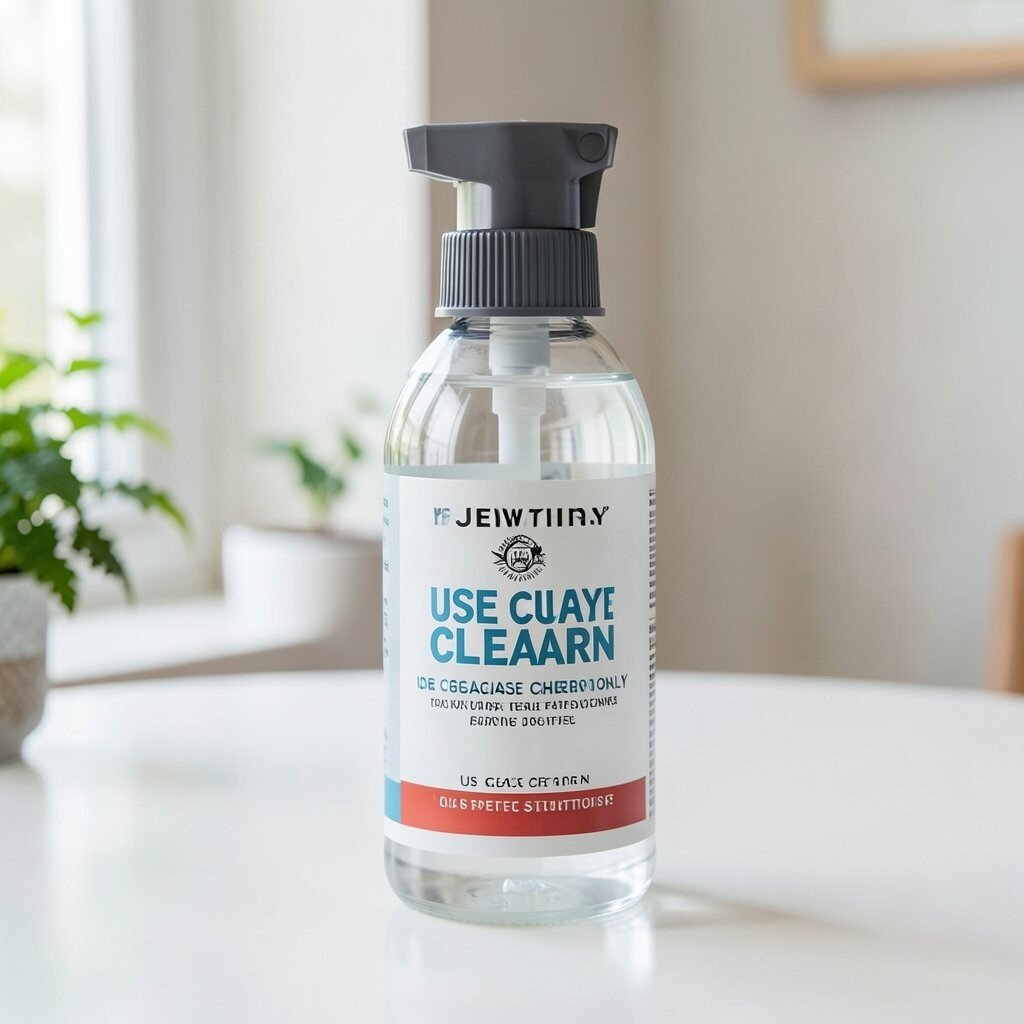
Some people use glass cleaner for shine, but it isn’t safe for every metal or stone. If you try it, use it lightly and keep it away from pearls and delicate settings.
Afterward, rinse carefully and dry fully. This method can create a vivid, mirror-like look, but it should stay reserved for pieces you know can handle it.
Think of it as an occasional tool, not your daily routine. It can be a low-cost option if you already have it at home.
17. Polish With A Gentle Cloth After Cleaning
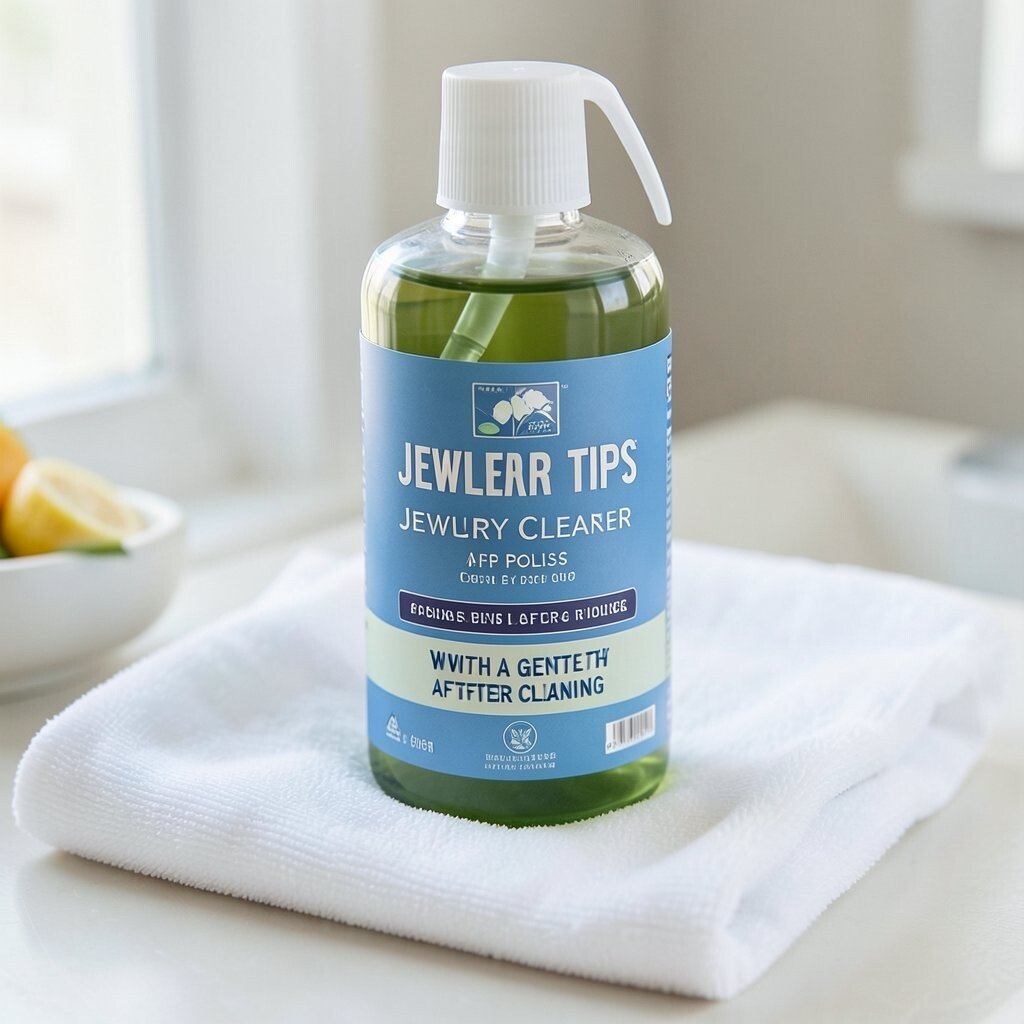
Even after a good rinse, a final polish brings the shine back to life. You’ll see the metal reflect light more sharply when you buff softly.
Use a clean, dry cloth and work slowly over the surface. This helps remove tiny water spots and gives your jewelry that crisp, freshly worn look.
18. Store Jewelry Clean And Dry In Separated Pouches
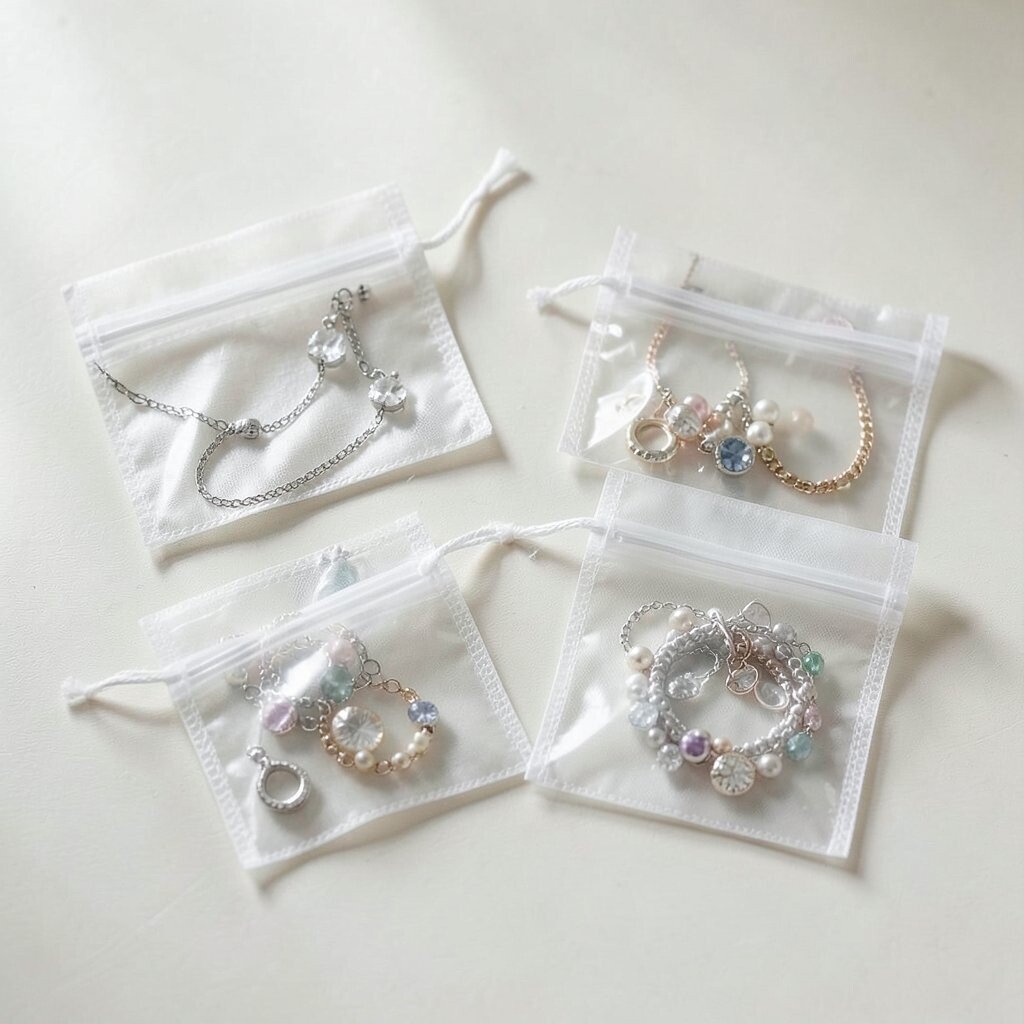
Storing clean jewelry prevents grime from settling again. When you put a damp piece in a closed container, it can develop faint spots that look like dull freckles.
Use separate pouches or compartments so pieces don’t rub. That friction can wear finishes and cause tiny scratches over time.
This matches a modern focus on mindful storage and less damage. It costs less than repairs, and your jewelry stays ready for any moment.
19. Build A Small “Cleaner Kit” For Your Jewelry Style
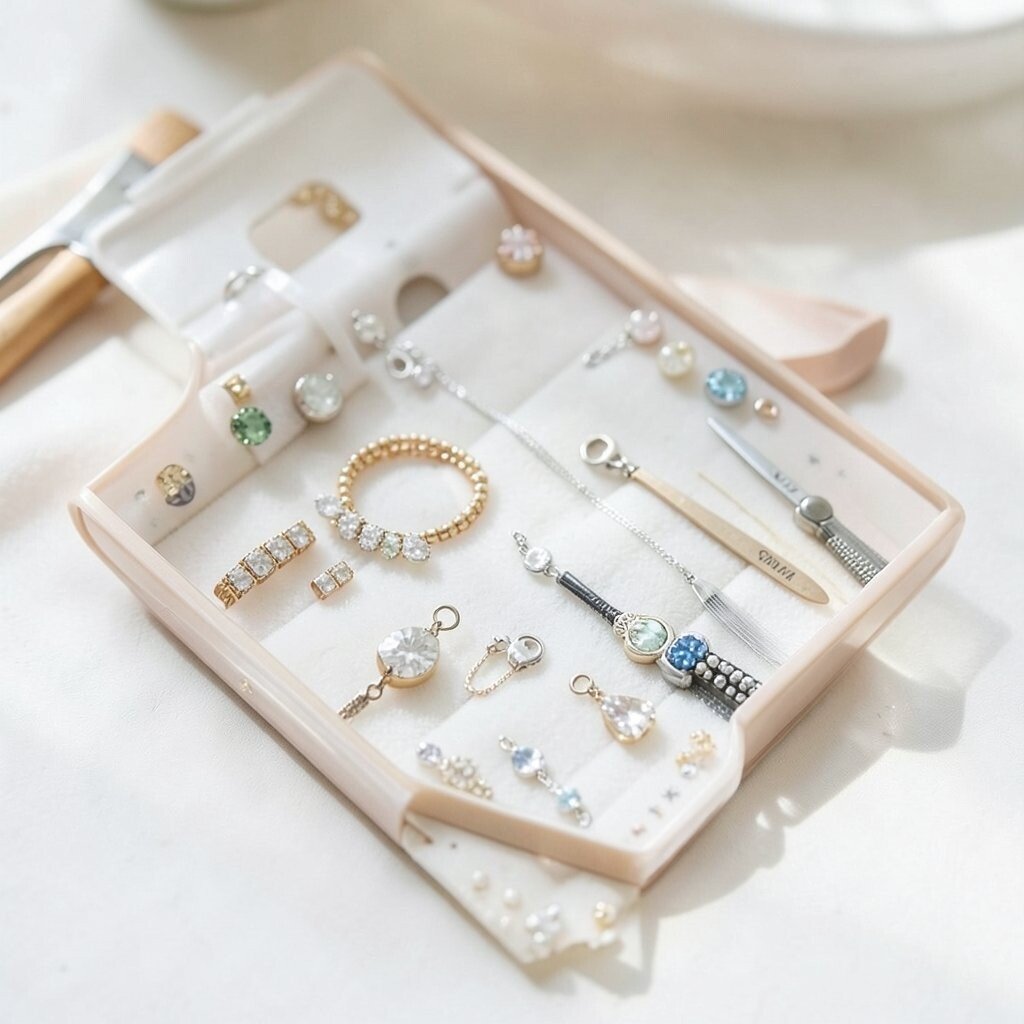
Create a kit with a soft toothbrush, microfiber towels, mild soap, and a gentle polishing cloth. If your collection includes many rings, add a small bowl and a drying rack.
For costume jewelry, choose extra-soft tools and avoid harsh scrubbing. When everything you need is in one place, you’ll actually keep up with the routine.
You can personalize the kit with a cute organizer and keep it near your vanity. Even with modest purchases, the overall cost stays low compared to repeated professional cleaning.
20. Clean With The Seasons In Mind

Summer brings more sweat, sunscreen, and outdoor dirt, which can dull jewelry fast. Winter often adds lotion layers and hand-washing dryness, also leaving buildup behind.
Adjust your routine so you clean more often during active months and switch to light touch-ups when life slows down. This keeps your sparkle consistent all year without overworking the metals.
Right now, people love flexible self-care routines that fit their schedule. Your jewelry will look better when your cleaning matches your lifestyle, not when you force a one-day rescue mission.