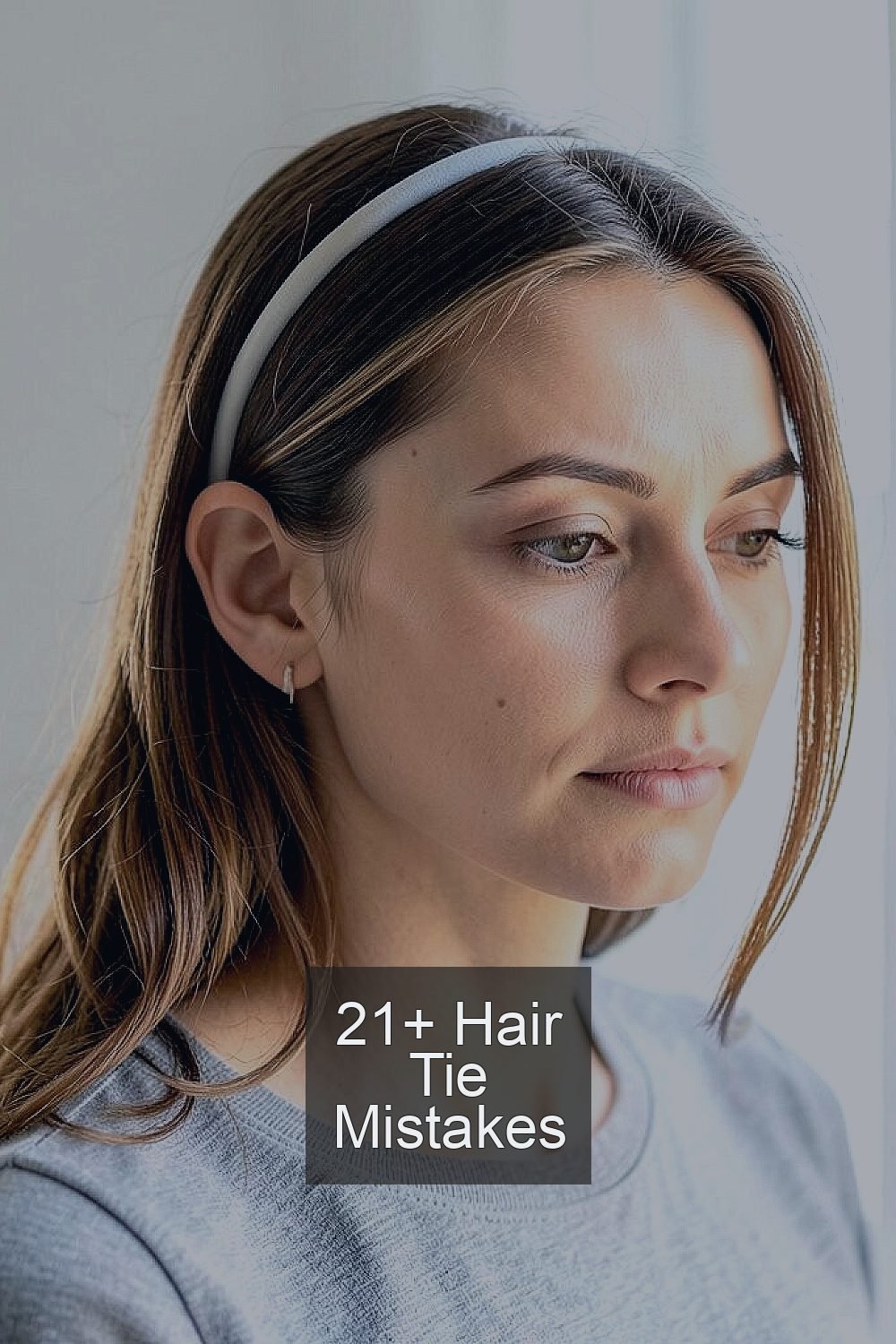
That little elastic can quietly steal shine and stretch your strands faster than you’d think. The good news is you can fix most damage with small, everyday changes.
1. Overstretching Your Hair Tie Too Often

When you grab a hair tie and it feels like it should “snap back,” that’s a sign it’s already working too hard. Look at it in bright light and you may see it has a stretched out look or a looser coil than before.
Overstretching can pull on your hair cuticle, which makes hair feel rough and look dull. You may notice flyaways growing around your hairline after you’ve worn the same tie a few times. A fresher elastic holds gently and helps your hairstyle look smoother for longer.
2. Using One Tie For Every Hairstyle And Every Day
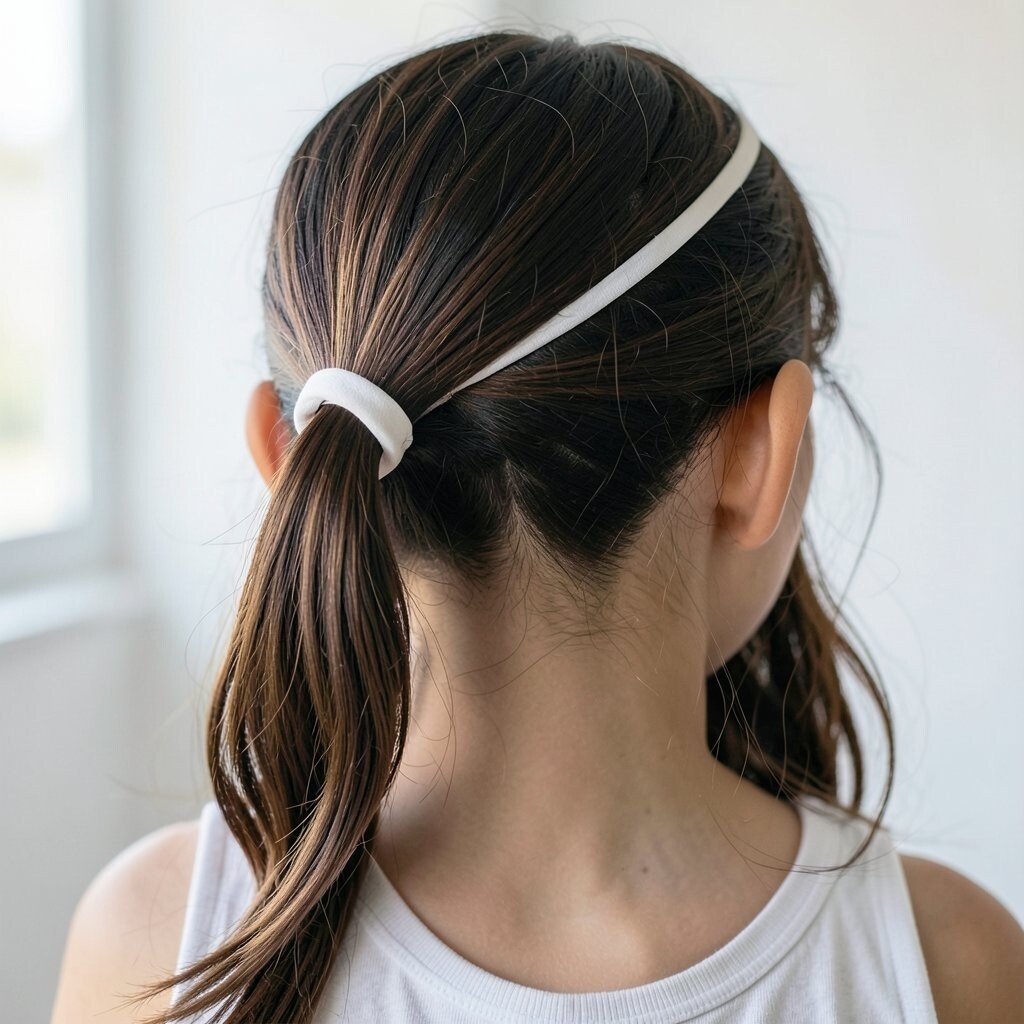
The same hair tie that handles a ponytail might not be right for a low bun or a half-up style. You’ll often see it flatten, twist, or lose its bounce after it’s constantly reused.
Rotating styles helps reduce stress points on your hair, especially if you wear your hair up most days. Try keeping two or three different types so each hairstyle gets the right level of grip.
If you prefer matching colors, choose a small set that fits your outfits and still feels soft. A small budget approach is to buy a few inexpensive ties and replace them more often. When you use the right tie for the job, you get less snagging and more comfort.
3. Picking A Tie That’s Too Tight Or Too Small
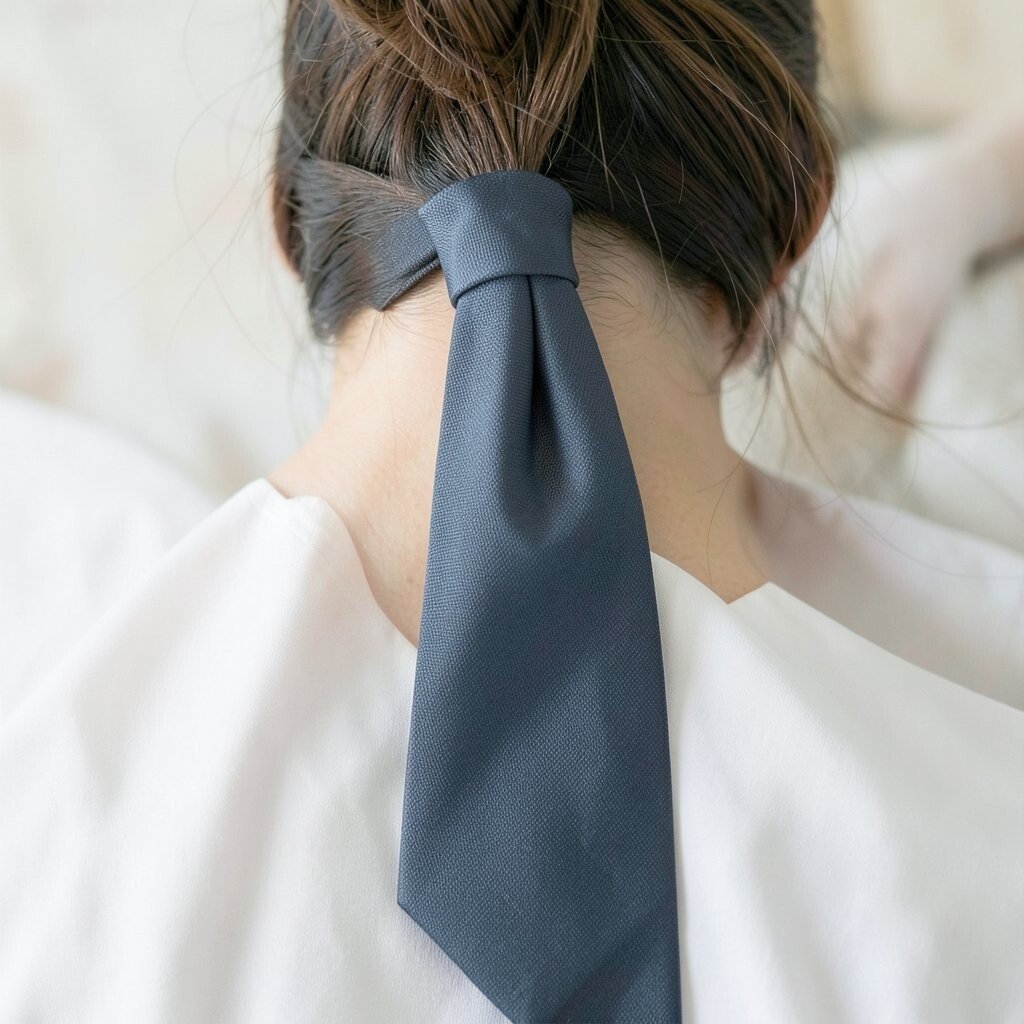
A tight tie can look neat in the mirror, but your scalp might feel sore later. After removing it, check for a dent line or visible bumps along your scalp.
When the band squeezes too hard, it increases friction and can even make your hair break at the same spot. You might also feel more tangling when you try to brush out your hair afterward.
Choose a size that lets the tie sit comfortably without pulling. If your hair is thick or heavy, a slightly larger band usually spreads pressure better. For a more personalized fit, test different thicknesses until you find one that holds without squeezing.
4. Leaving Your Hair Up Longer Than Your Hair Wants
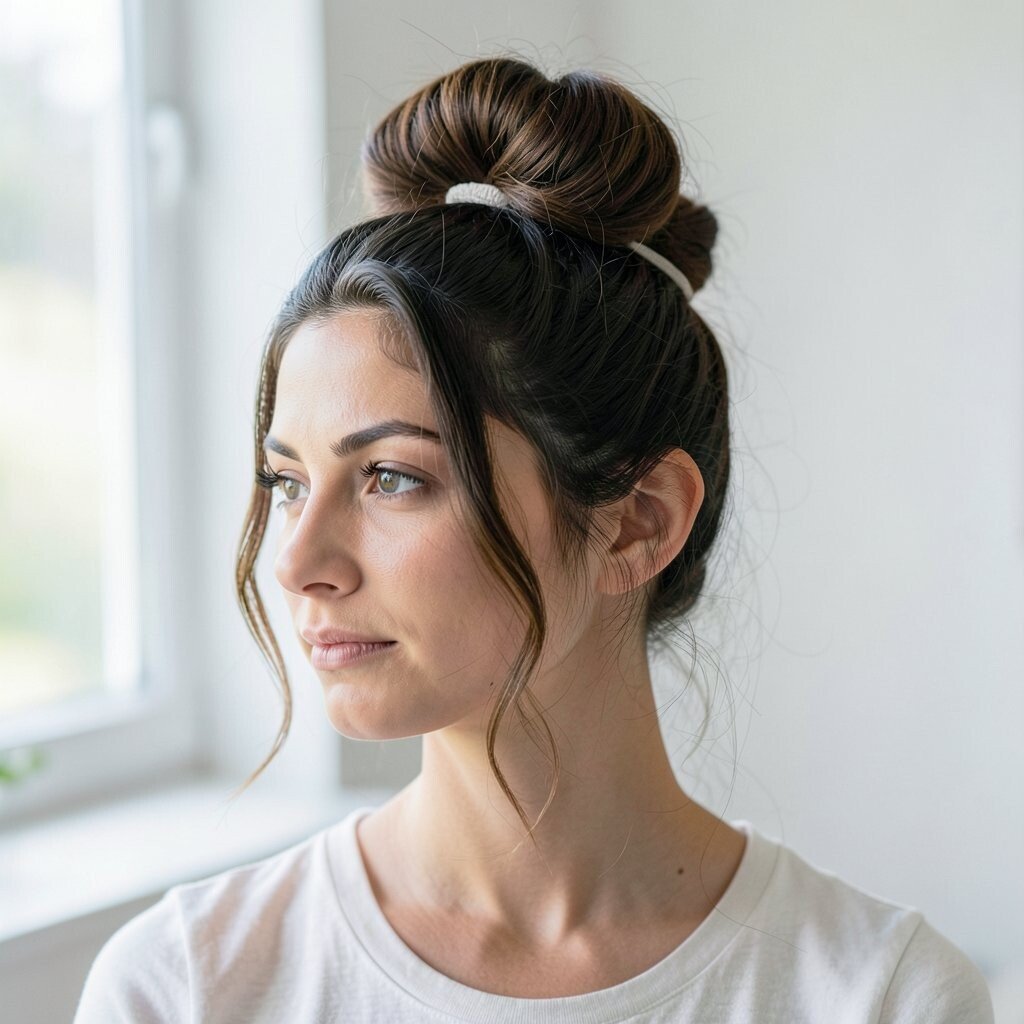
Even a gentle tie can cause stress when you keep your hair pulled back for many hours. You can often see it as creases that hang on even after you take your style down.
Long wear can lead to a stretched ponytail look, especially near the roots. If your hair gets oily, the tie may also trap more buildup along the scalp line.
Give your hair breaks when you can, like switching to a loose style at home. If you wear it up for work or school, loosen it during downtime to reduce tension. Keeping a soft claw clip nearby can help you change positions without yanking.
5. Relying On Plastic Rings Or Hard Clips
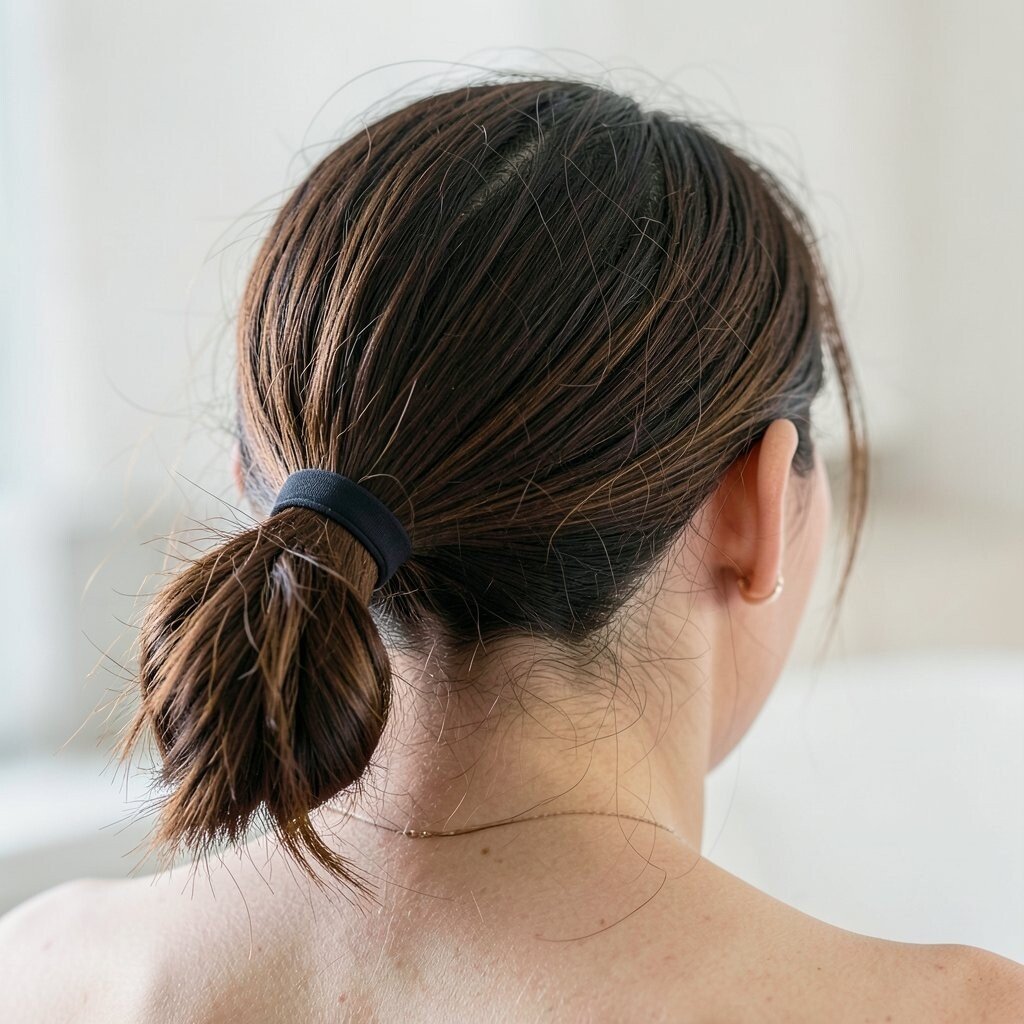
Hard plastic rings and rigid elastics can feel fine at first, but they often create rough pressure. When you slide them on, you may hear a small scrape, which means your hair is taking the hit.
They can catch on hair strands, especially when your hair is wet or has slip from conditioner. Over time, that snagging may cause more short pieces around the tie area.
Look for ties with a smooth surface and fabric that feels soft against your hair. Many people love scrunchies because they glide instead of grabbing. If you’re cost-conscious, you can rotate a few high-quality scrunchies rather than constantly replacing cheaper ones.
6. Using Thin Elastics On Thick, Heavy Hair
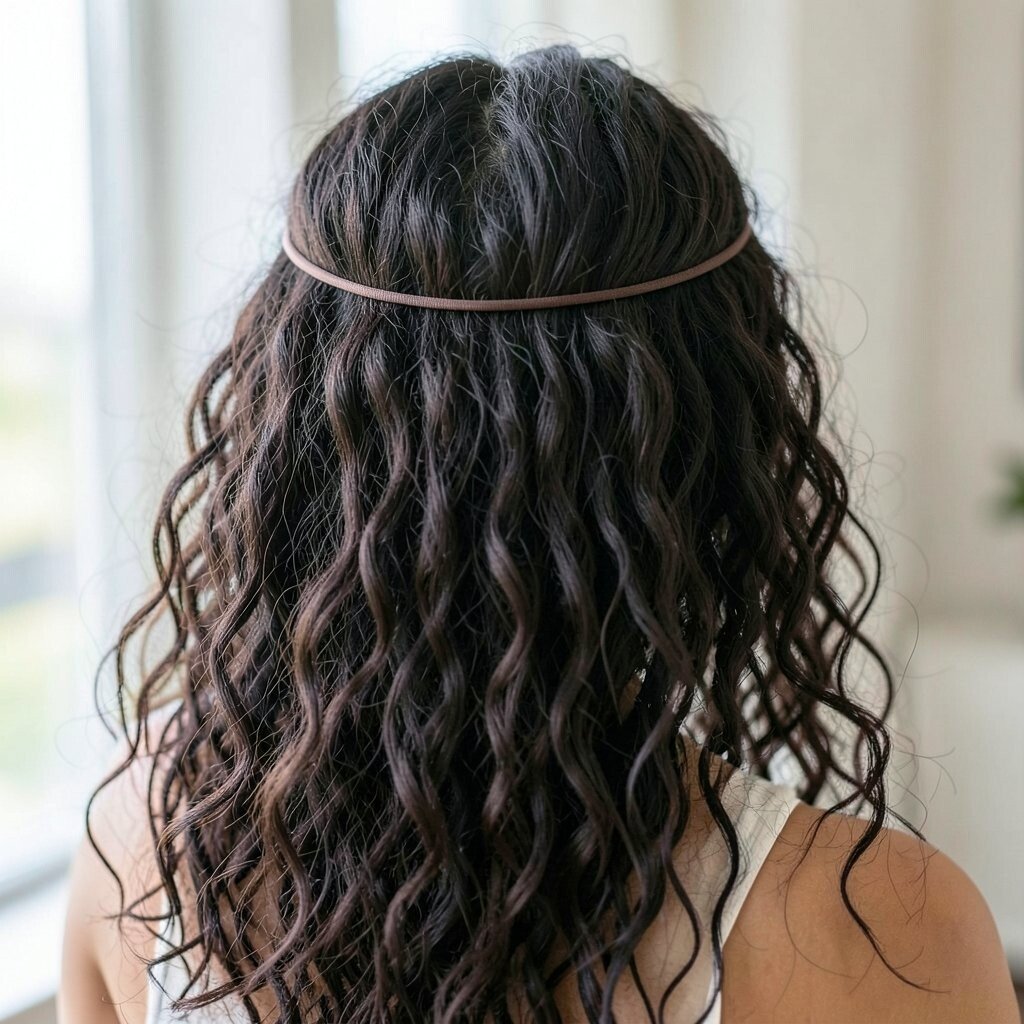
If your hair is thick, a super thin elastic can act like a tiny clamp. Watch what happens after a few minutes of wearing it and you’ll often see it sinking into the hair.
That sink increases strain on the roots and can cause breakage where the band sits. You might also notice the ponytail loosens quickly, so you end up retightening and adding even more pull.
Try a thicker band designed for volume, or use two ties placed farther apart so the weight spreads out. A double method can feel secure without squeezing one tight point. You can personalize it by matching thickness to your hair’s current day feel, like damp, dry, curly, or freshly styled.
7. Tying Your Hair In The Exact Same Spot Every Time
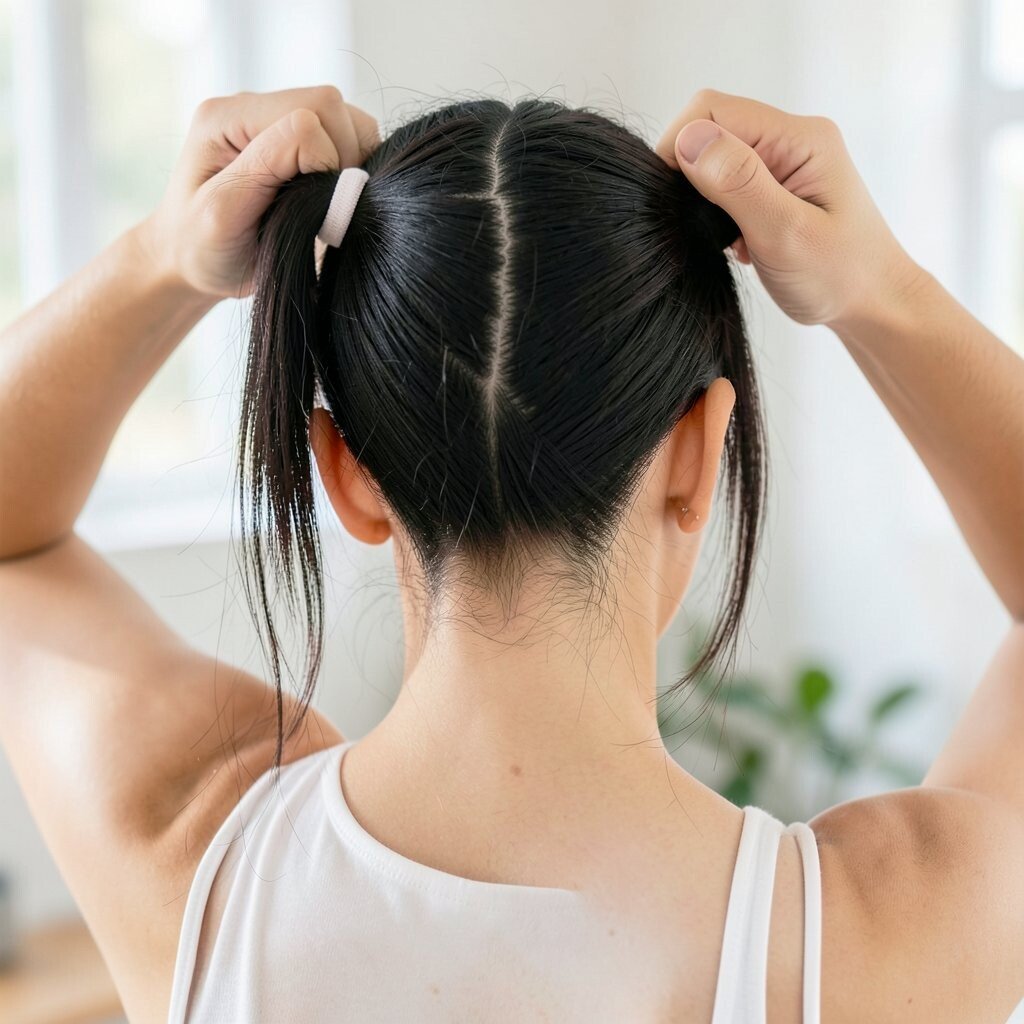
Do you always wear your ponytail high on top? The same exact spot takes the most repeat pressure, and you may see small dents become a pattern.
Over time, constant tension can lead to thinning where hair is repeatedly pulled. Even if you don’t notice it right away, your hair can gradually weaken at the same root line.
Switch the placement from high to mid to low, especially across different days. You can also try side placements for a playful, unique look. It’s an easy habit that protects your hair while keeping your hairstyles fun.
8. Making The Knot Or Loop Too Complicated
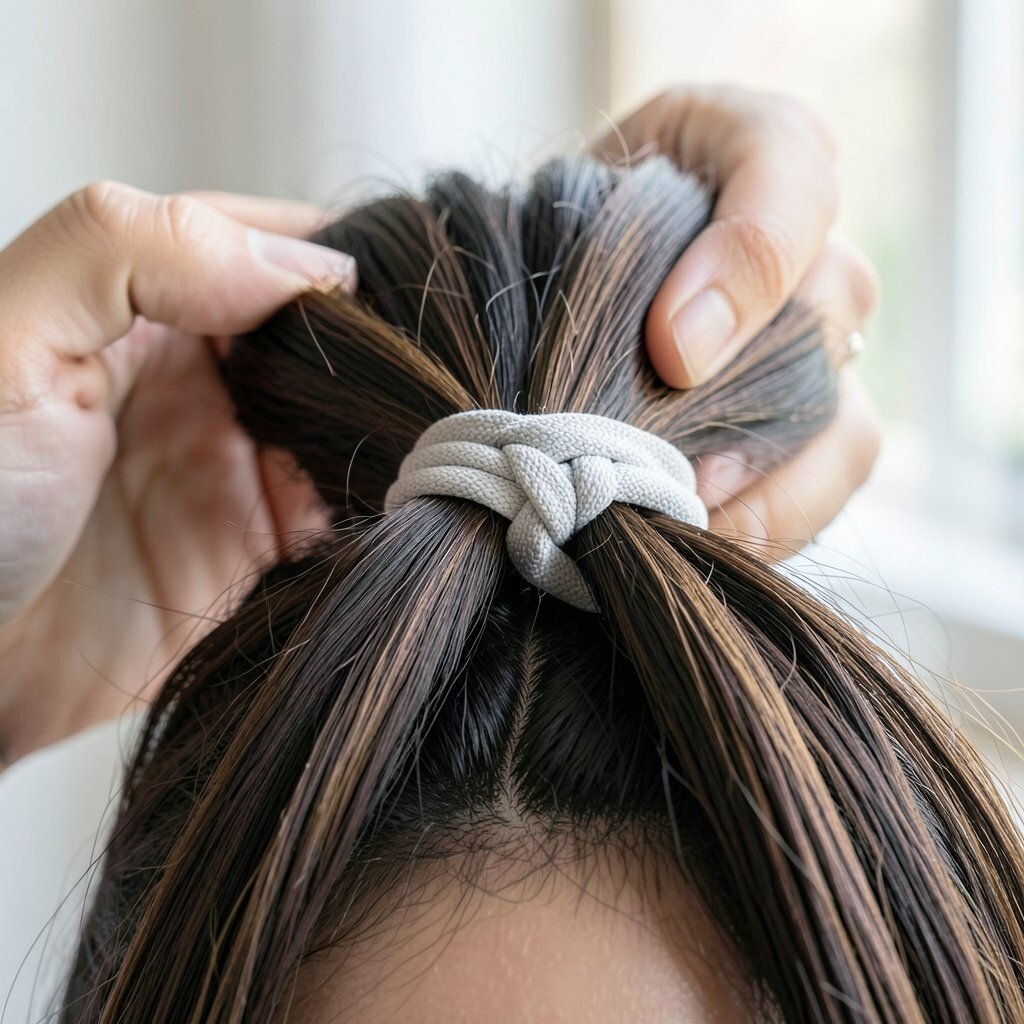
Some hair ties feel like they need “extra security,” so you loop them around again and again. The knotty loops can turn into tiny ridges that grip hair more aggressively.
More loops mean more friction, and friction means more frizz and breakage. You may notice tiny pieces stuck to the elastic when you remove it.
Keep it simple by using one loop that holds well without forcing it. If you need extra hold, choose a tie with more stretch or a different texture instead of adding knot loops. Personalize your method by testing one extra wrap only when you need it, like for workouts.
9. Pulling The Tie Off By Yanking Straight Up
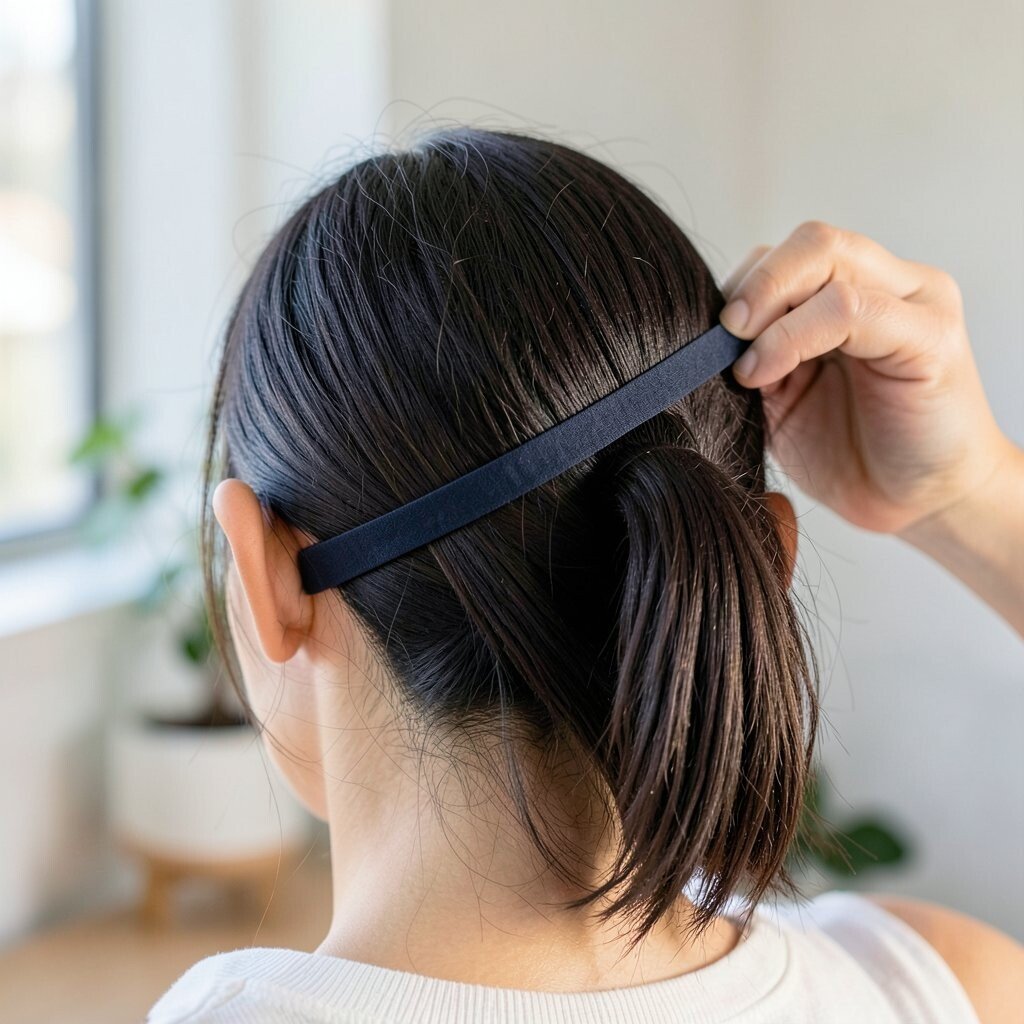
When you rip a hair tie off, the hair fibers can snag and stretch. It’s easiest to notice this on freshly washed hair when tangles seem to appear out of nowhere.
Yanking can break hairs that are already loosened by being tied tightly. It can also leave knots near the elastic that take extra brushing to remove.
To be gentler, slide the tie down slowly while holding the hair near the band. If you have time, loosen one side at a time so the elastic releases gradually. For more comfort, use a light detangling spray so hair has slip and fewer strands catch.
10. Putting The Tie On Wet Or Very Drenched Hair

Wet hair is more elastic, but it’s also more fragile at the same time. If your hair is dripping and you loop a tie over it, the tie can stretch and then snap the strands when dry.
You may see more breakage at the band area after it dries, especially if the tie feels tight. Wet hair also tangles more easily, so the tie removal can get messy.
Wait until hair is damp rather than dripping, or use a soft tie made for wet detangling. If you must tie it right away, keep it looser and avoid repeated retightening. This is a simple personalization move based on how your hair behaves when wet versus damp.
11. Using Cheap Ties That Shed Lint Or Fibers
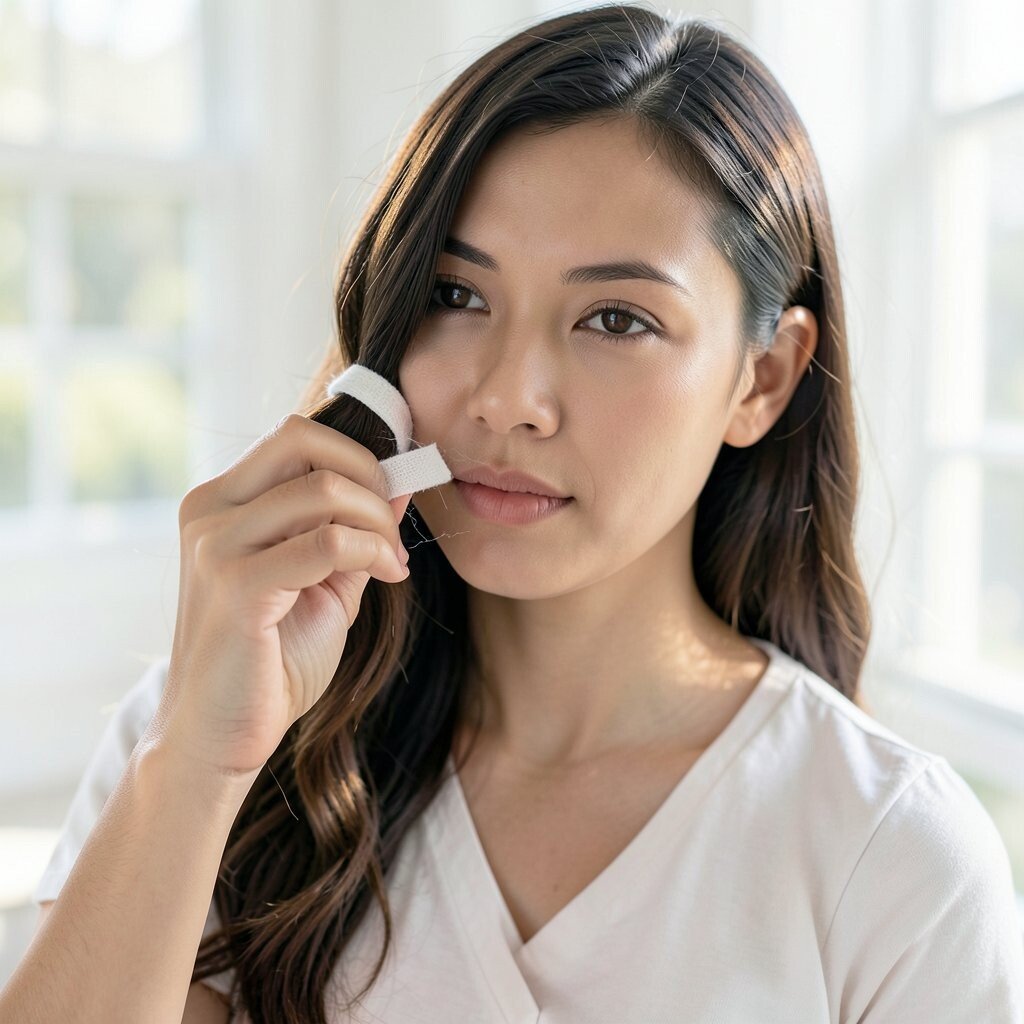
Some elastics release tiny bits that stick to your hair, and you might only notice once your hair looks dusty. Rub the tie between your fingers and you can sometimes feel a roughness or see lint.
Lint and rough textures increase friction, which can lead to frizz and dullness. They can also make your hair feel dry even if you used conditioner.
Choose ties that feel smooth and that don’t leave residue on your hands. Investing a little more often saves money because they last longer. In current trends, many people prefer fabric-covered elastics because they look cute and behave gently.
12. Wearing Hair Ties That Smell Like Chemicals Or Sweat

A strong chemical smell can mean the tie is coated with harsh ingredients. If the tie smells after one wear, it may also hold onto sweat and oils.
That buildup can make your scalp unhappy and may trigger itchiness for some people. It can also make your hair look less fresh between washes.
Wash fabric scrunchies and cloth-covered bands regularly, and let them dry fully. If you use a fragrance-free approach, you reduce the chance of irritation. Cost-wise, having two sets to rotate through keeps them clean without buying too many at once.
13. Not Replacing Worn Elastics Even When They Look “Still Fine”
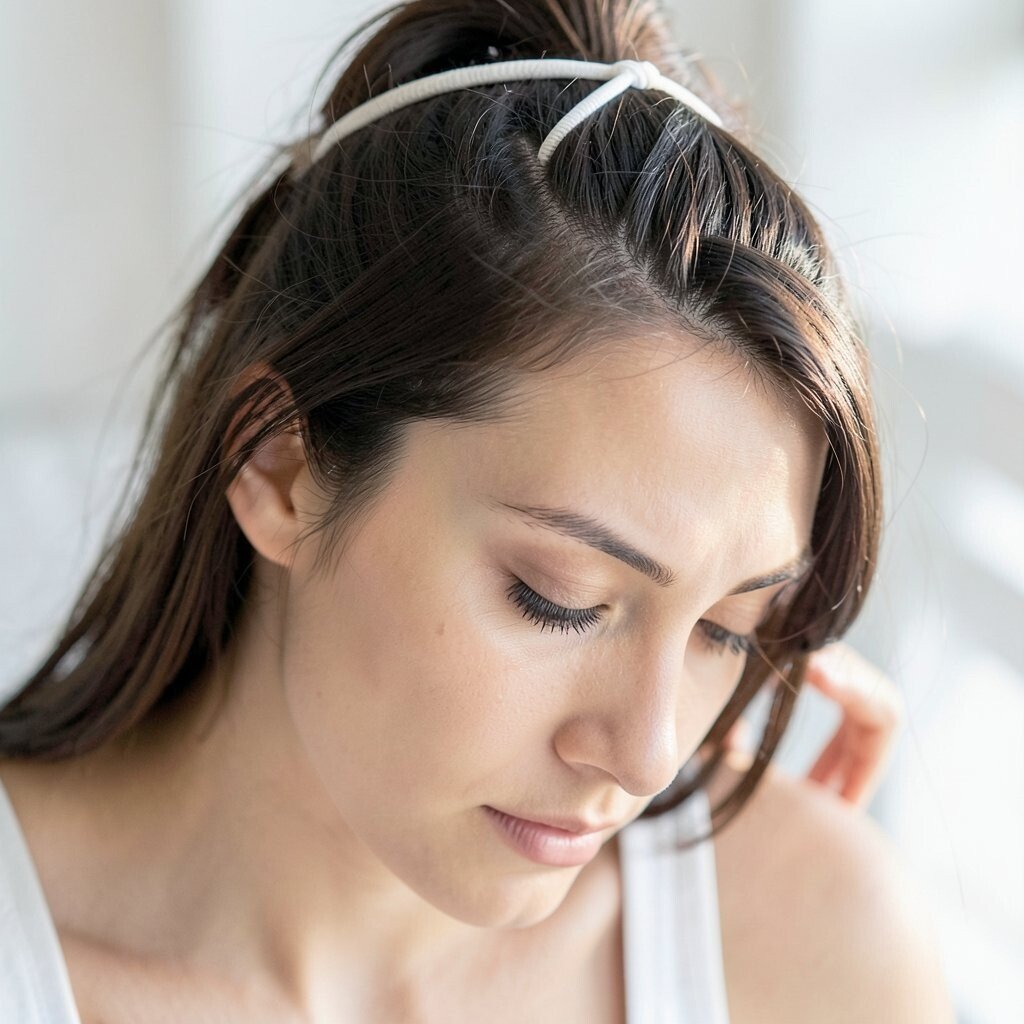
It’s easy to reuse a tie until it fails completely. But a tie can be slightly stretched and still feel “good enough,” even though it’s already damaging hair.
When elasticity weakens, you often end up tying tighter to get the same hold. That cycle increases tension, which is exactly what causes breakage.
Check your ties by stretching them gently and observing whether they return fully. If they look loose or stretched out, it’s time to retire them. Keeping a small stash of replacements also makes it easier to act before damage happens.
14. Ignoring How Your Hair Texture Changes Throughout The Season

Hair doesn’t behave the same in summer humidity and winter dryness. Your strands may feel more slippery or more puffy, and that changes how a hair tie grips.
When your hair is more dry or coarse, it can snag easier, especially with rough elastic textures. You may notice more flyaways and short breakage pieces around the tie line.
Adjust your tie choice with your season by switching to softer fabric when hair feels rough. In humid days, a more secure but gentle tie can prevent loosening and repeated reties. Personalize based on your routine, like choosing different ties for curly days versus straightened days.
15. Overdoing Back-To-Back Hairstyles With The Same Tie
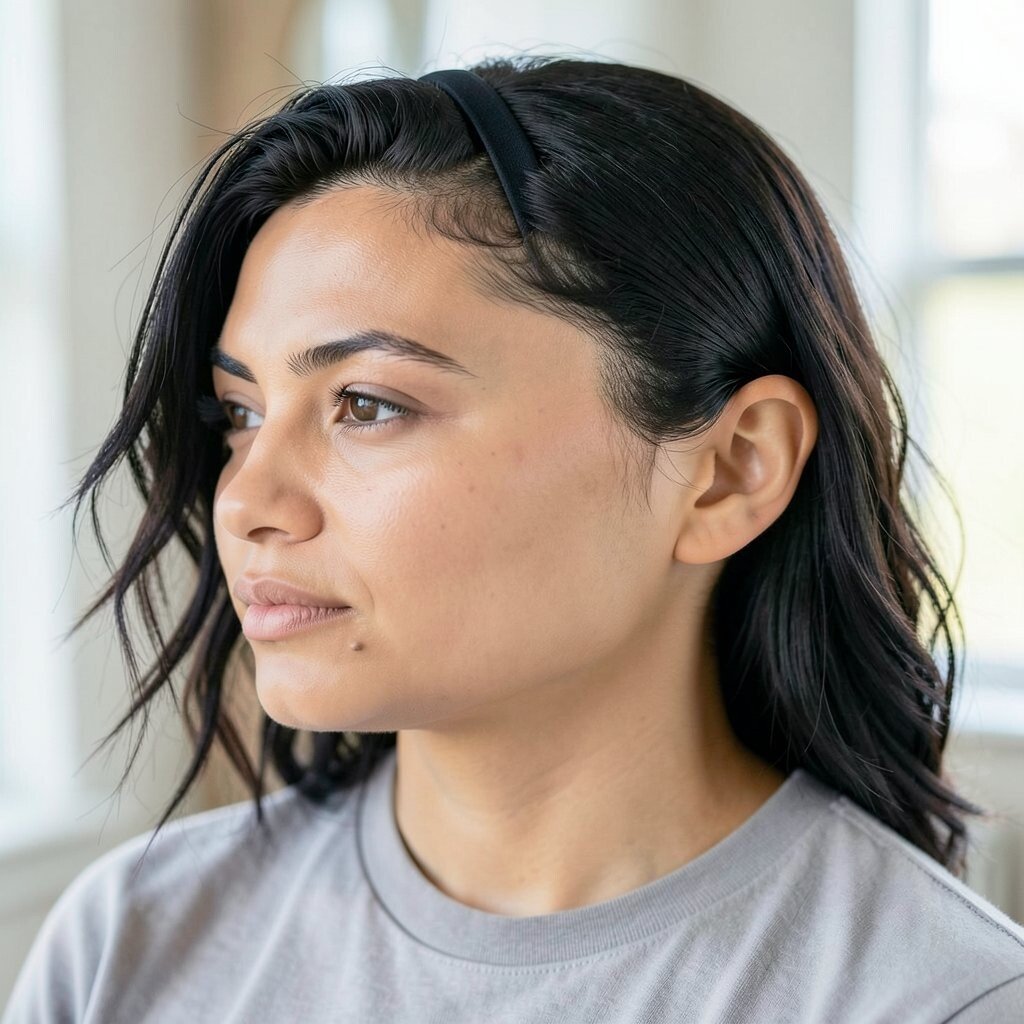
If you tie your hair up and then untie it and retie it again right away, friction stacks up. Even if each tie feels gentle, the repeated on-and-off can stress the same strands.
That repeated movement can create more tangles, and tangles lead to breakage when you brush. You may also see more frizz where the elastic sits.
Instead of repeatedly tying, change the style shape without using the same tight position. Try switching from ponytail to loose braid, or use a soft clip to reposition. This saves hair from constant re-tension and keeps your look fresh.
16. Choosing A Color Or Pattern Tie That Doesn’t Match Your Hair Care Goals
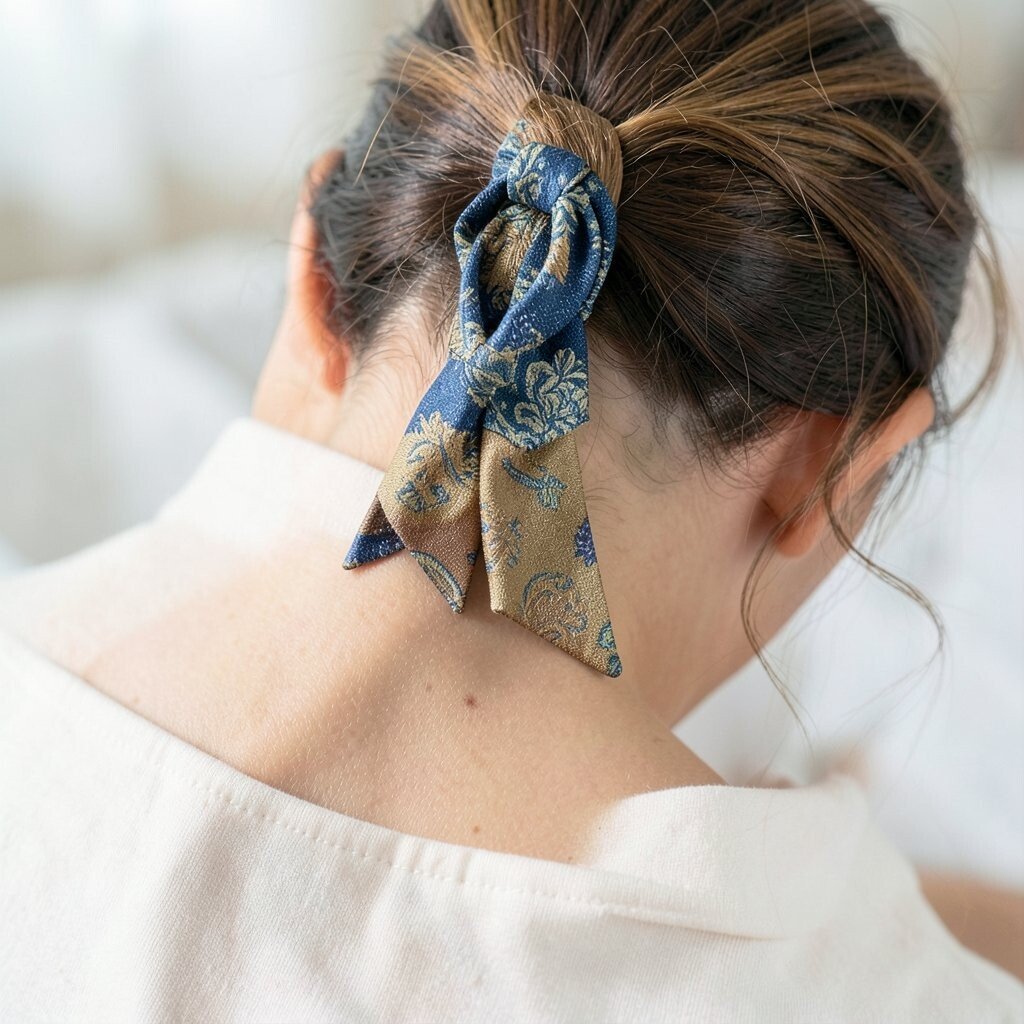
It’s fun to choose bold colors and silky prints, and many ties look great in photos. But style should still work with your hair needs, not fight them.
Some dyes or finishes can cause extra friction or dryness on certain hair types. You might also notice the tie grips more or less depending on its surface texture.
If you want shine, choose ties with a smoother finish and fabric that feels slippery, not stiff. Neutral colors can also hide transfer from hair oils, which means your hair looks cleaner longer. Personalize by picking ties based on how your hair feels that day, not just based on outfit color.
17. Using Hair Ties That Are Too Small For Your Current Volume
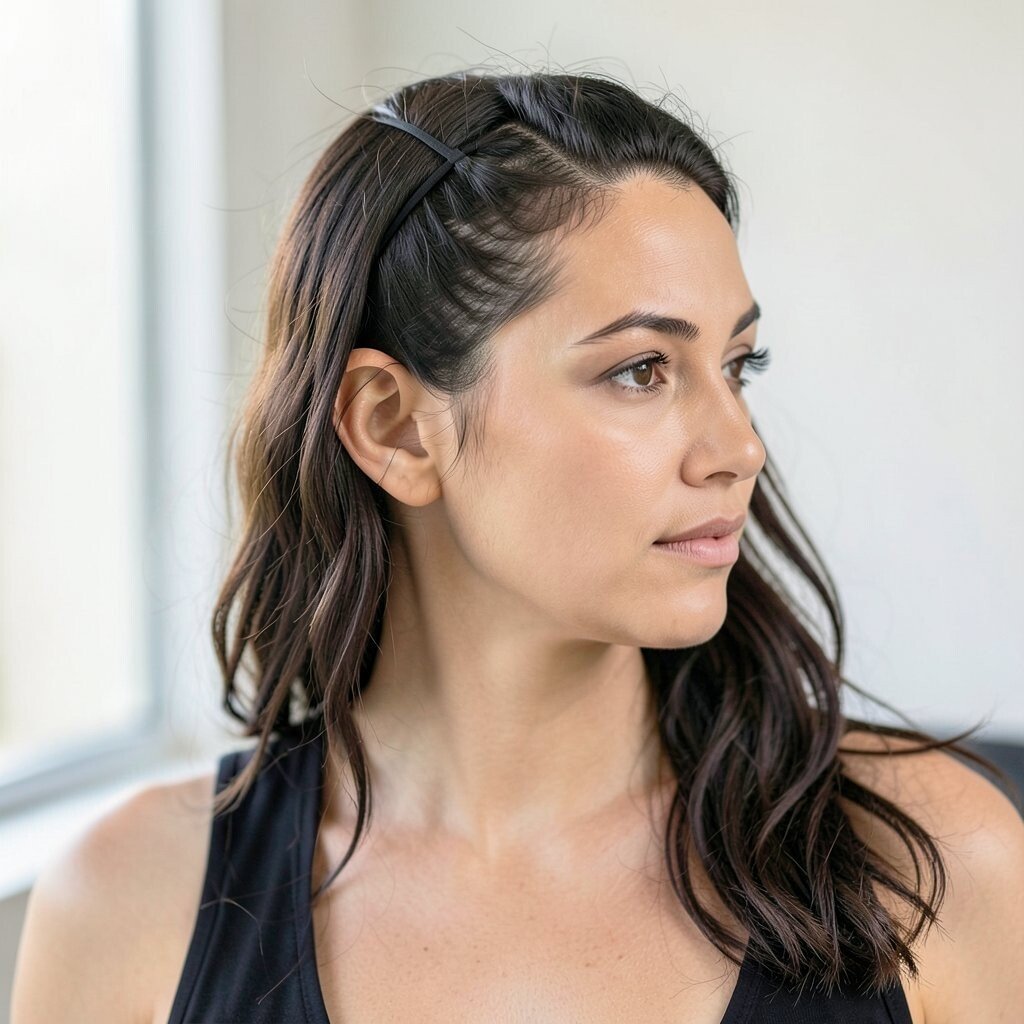
If your hair is stretched after blow-drying or it’s extra fluffy after curls, the same tie may suddenly feel too tight. You can see this when the elastic compresses your hair into a thick band that looks strained.
When the tie can’t accommodate your volume, it forces hair to fold and rub against itself. That rubbing can cause matting or tangles, especially with longer hair.
Size up the tie when your hair is bigger and fluffier. You can also use a technique where you gather hair lightly with open hands, then tie without squeezing. A small adjustment like this helps your hairstyle look polished without sacrificing strength.
18. Ignoring How Hard Scrunchies Feel When They’re New
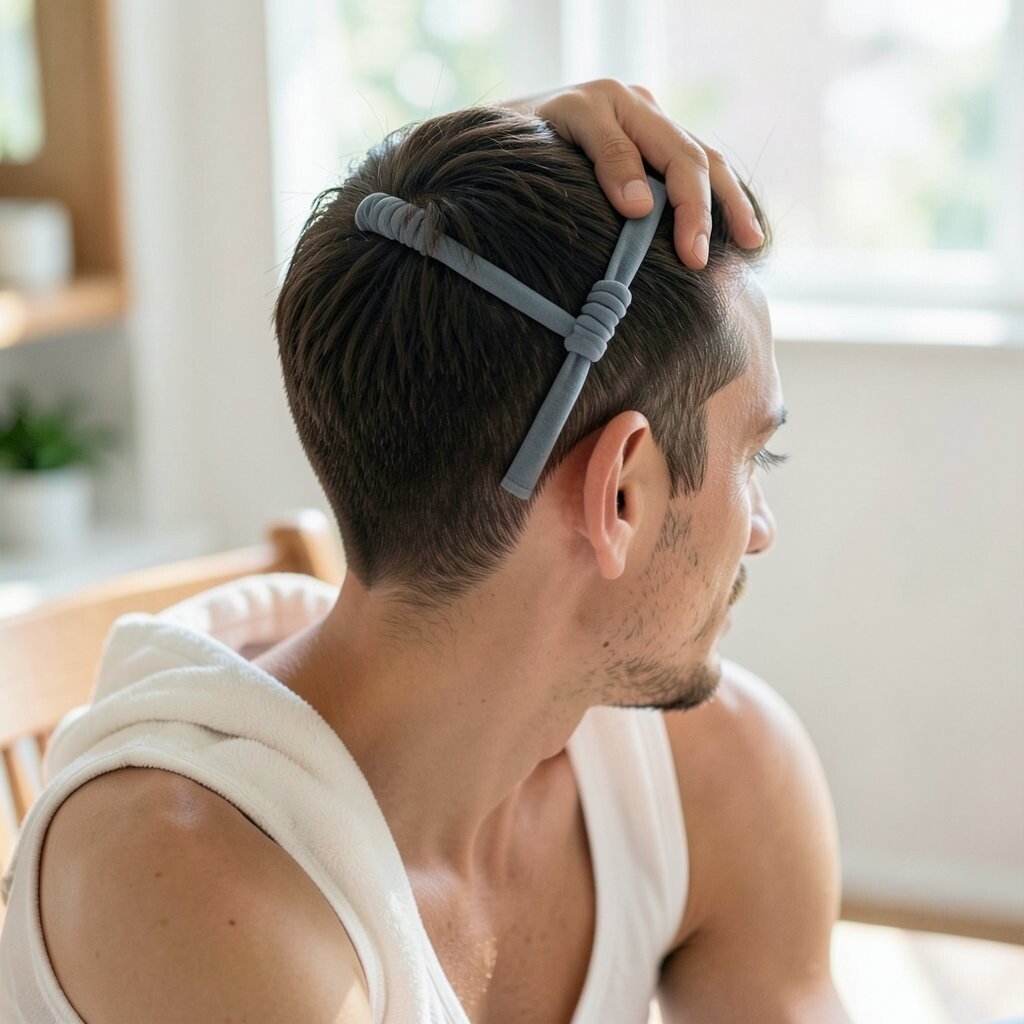
Some scrunchies are cute but stiff at first, like they need time to soften. When you wear a brand-new scrunchie, it may leave a mark or feel scratchy along your scalp.
Stiff fabric can create more friction than you expect, especially on fine hair. It may also pull less gently, which can lead to breakage when you remove it.
Give the tie a short break-in period by wearing it loosely for a few short sessions. If it still feels rough, switch brands or textures until you find one that feels smooth. Personalize by choosing a fabric you enjoy touching, because comfort usually means less damage.
19. Skipping A Soft Buffer Between The Tie And Your Hair
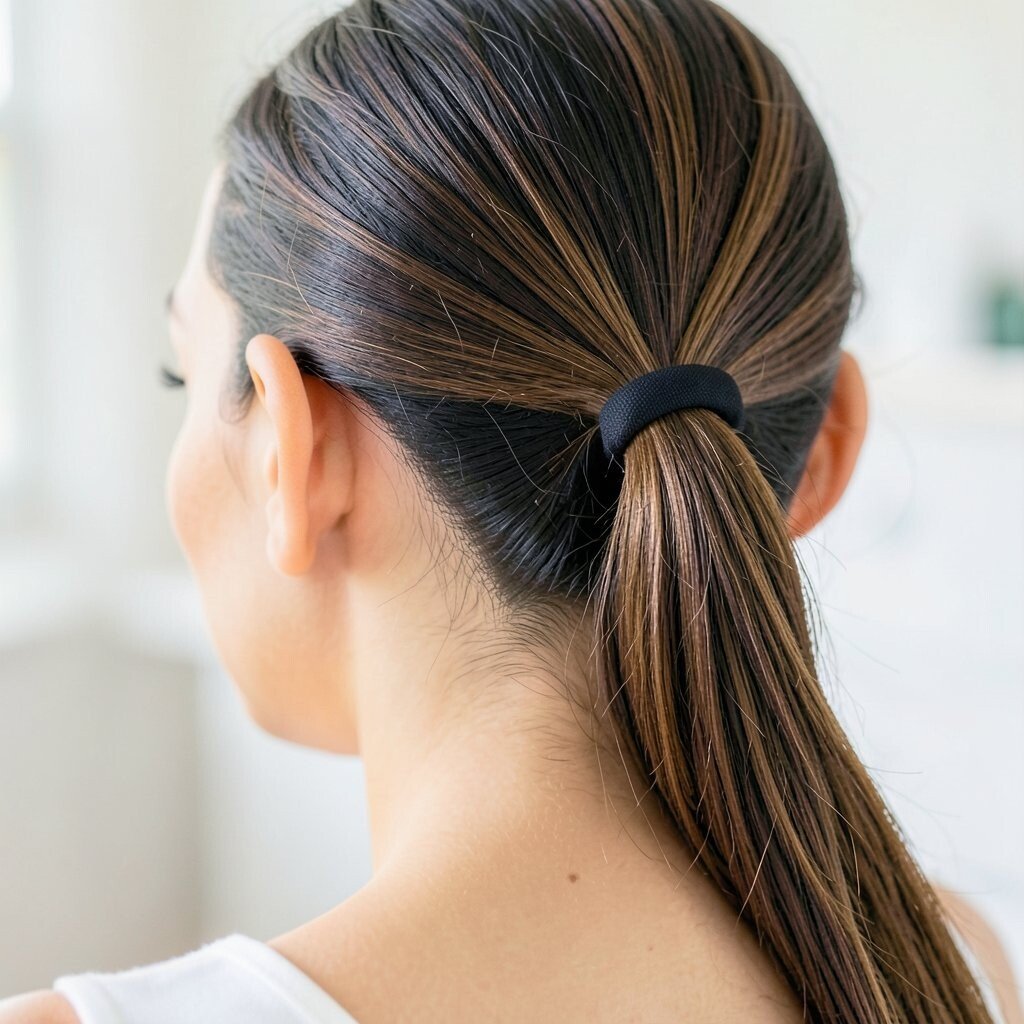
Sometimes the simplest thing is adding a layer that reduces direct contact. If you notice the tie leaves a line or feels like it presses straight onto strands, consider a buffer.
A gentle buffer can reduce friction and help your hair stay smoother. It can also protect when your hair is in a fragile stage after coloring or heat styling.
You can create a buffer by using a scrunchie over a looser elastic, or by sectioning hair lightly before gathering. If you use heat tools, your hair may be more prone to snagging, so this small step helps. It’s a low-cost approach because you can use items you already own in a new way.
20. Not Considering Scalp Comfort And Tension

Your scalp tells the truth faster than your mirror does. If you feel tightness, tenderness, or a headache-like pressure, the tie is likely too harsh.
Scalp tension can also lead you to wear the hair tied even longer because it feels “secure,” which becomes a cycle. Over time, discomfort can make you less likely to change hairstyles, which keeps stress in the same area.
Choose a tie that feels comfortable during the first hour, not just when you first put it on. A softer fabric and a secure but gentle hold can make a big difference. Personalize by paying attention to comfort signals and changing your style before your scalp asks you to.
21. Tying Too High When Your Hairline Gets Snares
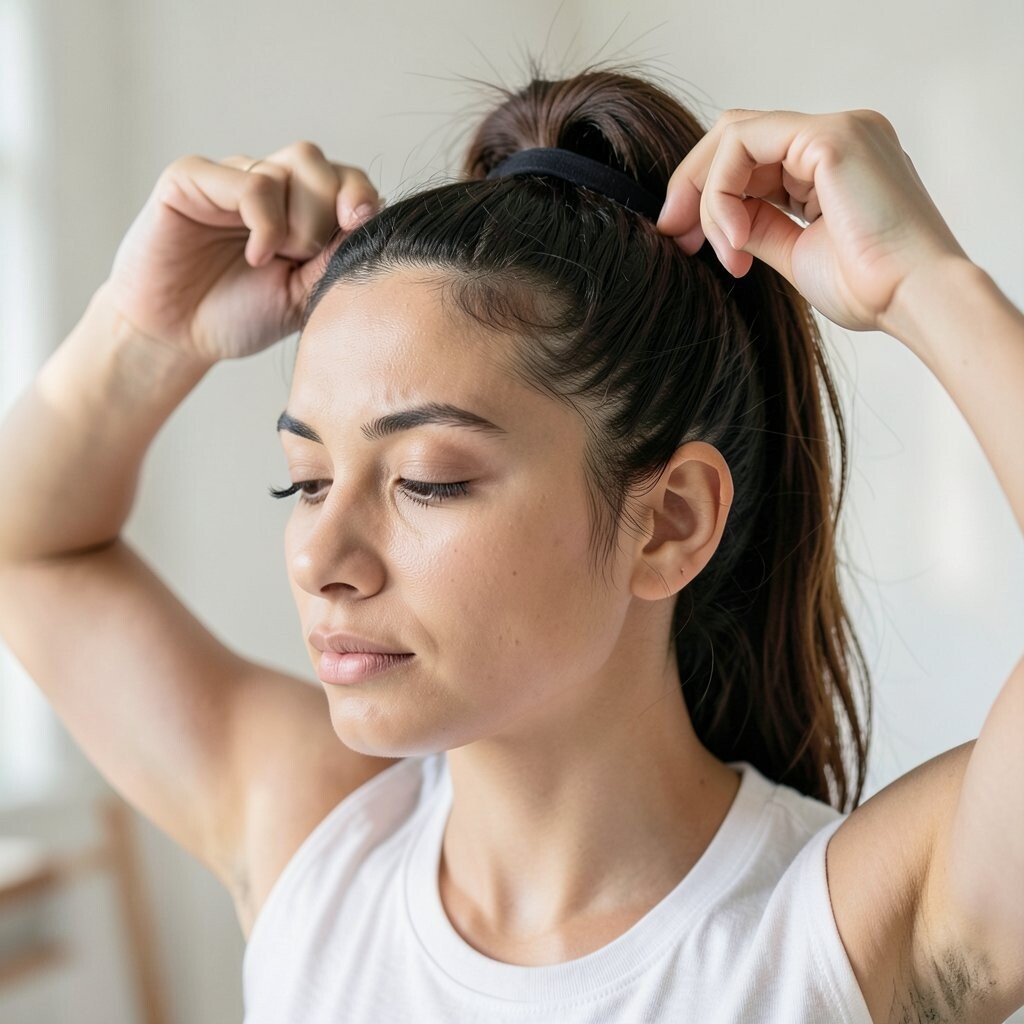
High ponytails look bold, but they can rub hairline baby strands like tiny sandpaper. If you have short layers near your forehead, you may see extra sticking or tangling after removal.
That rubbing can cause breakage and uneven growth around the hairline. It can also make your hair look frizzy when you take the tie out because the strands are disturbed.
Try tying slightly lower or to the side for the same style vibe with less friction. A braid also tends to protect edges because it creates a smoother path for the hair. This is a personalization idea that keeps your look trendy while protecting the parts that need care most.
22. Ignoring The Frizz And Breakage Clues After You Remove The Tie

After you take a hair tie out, notice what happens, not just how it looks for a minute. If you see lots of frizz, feel roughness, or spot broken bits near the band, your tie method needs a change.
Those clues show the elastic is likely causing friction or excessive tension. When you respond early, you can prevent the same damage from building over weeks.
Adjust one thing at a time, like loosening the tie, switching to fabric-covered options, or changing placement. Many people follow current trends by choosing scrunchies and spiral elastics because they blend style with gentler handling. If budget matters, set a simple replacement schedule so your ties stay elastic and your hair stays happier.