The right hair tie can feel like a tiny upgrade every day. Small material choices also add up in a big way.
1. Organic Cotton Hair Ties With Soft Knits
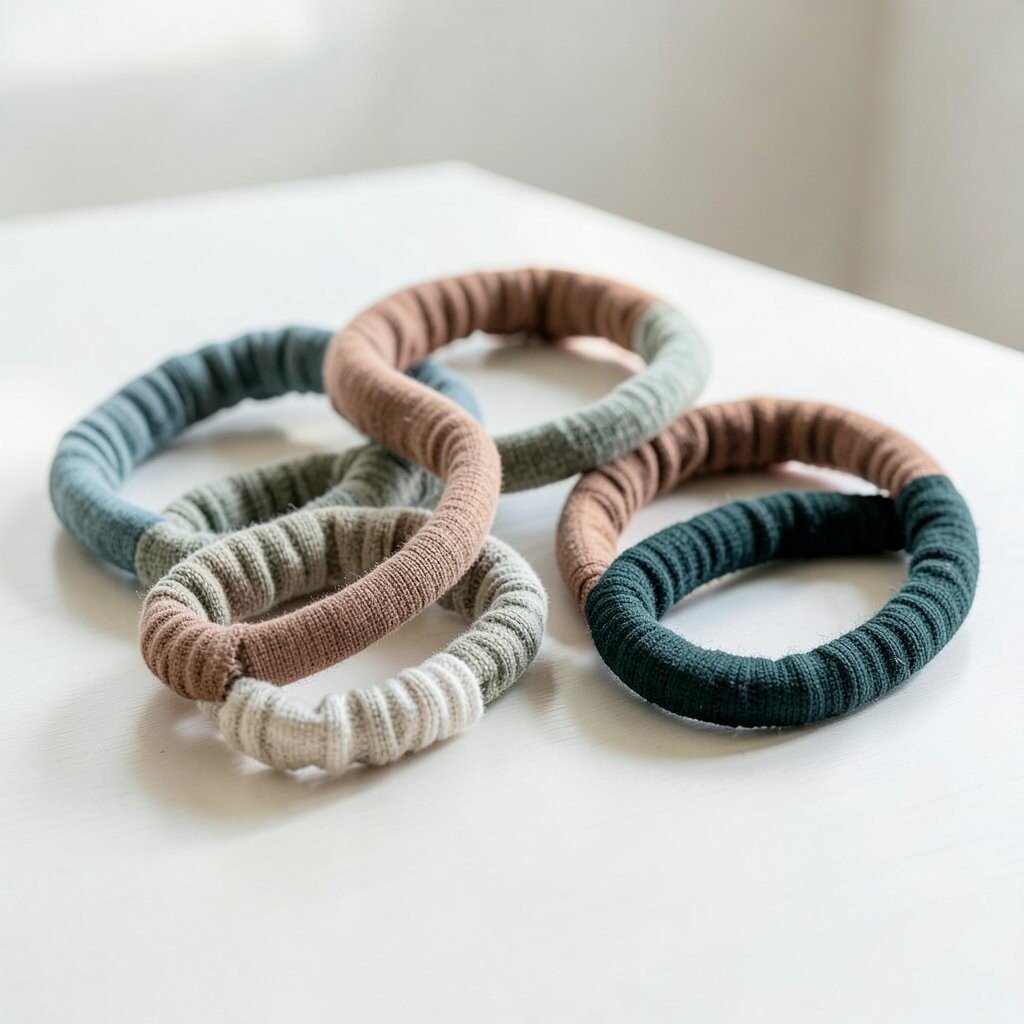
These ties look simple at first, but up close you can see the cozy knit texture. They sit gently on hair without that sharp pinch that some elastics create.
Organic cotton is a natural fiber, so it feels breathable against your scalp and comfortable for longer wear. For best results, choose ties with a snug but flexible weave so they hold well without tugging. If you have fine hair, go for thinner bands, and if you have thicker hair, try a slightly wider knit for steadier grip.
2. Bamboo-Fiber Elastics That Feel Light
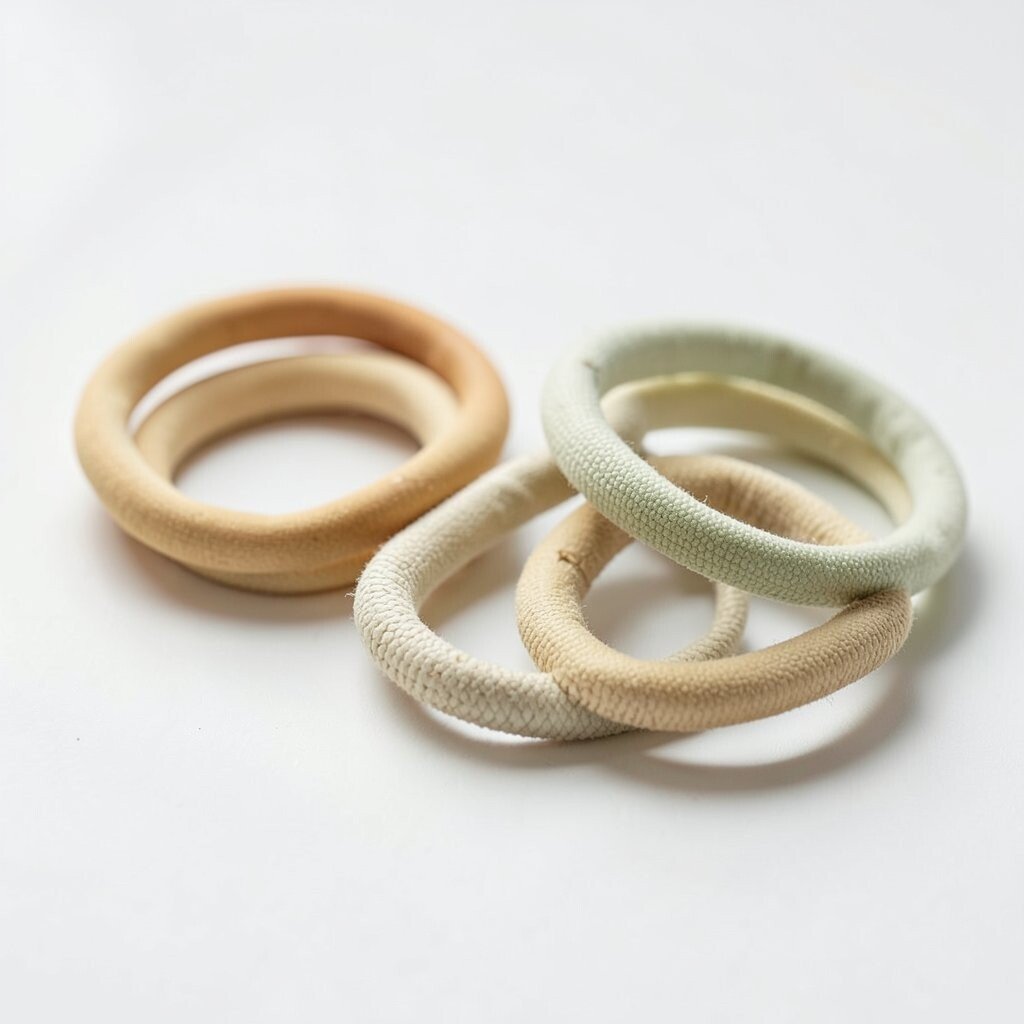
Bamboo-fiber ties often have a silky look, like smooth fabric that still stretches. When you pull one off your wrist, it bounces back quickly and holds its shape.
Bamboo fibers tend to feel cooler, which can help reduce that sweaty, damp feeling on warm days. Pair them with a loose hairstyle for comfort, and keep an extra tie in your bag for quick changes between errands and workouts.
For personalization, match colors to your outfit palette, since bamboo ties come in many dye shades. As a cost consideration, bamboo blends are sometimes pricier than basic rubber bands, but they can last longer if you avoid over-stretching. A current trend is switching from single-use elastics to fabric-like stretch ties that look nicer in photos and daily wear.
3. Recycled Polyester Hair Ties in Minimal Colors
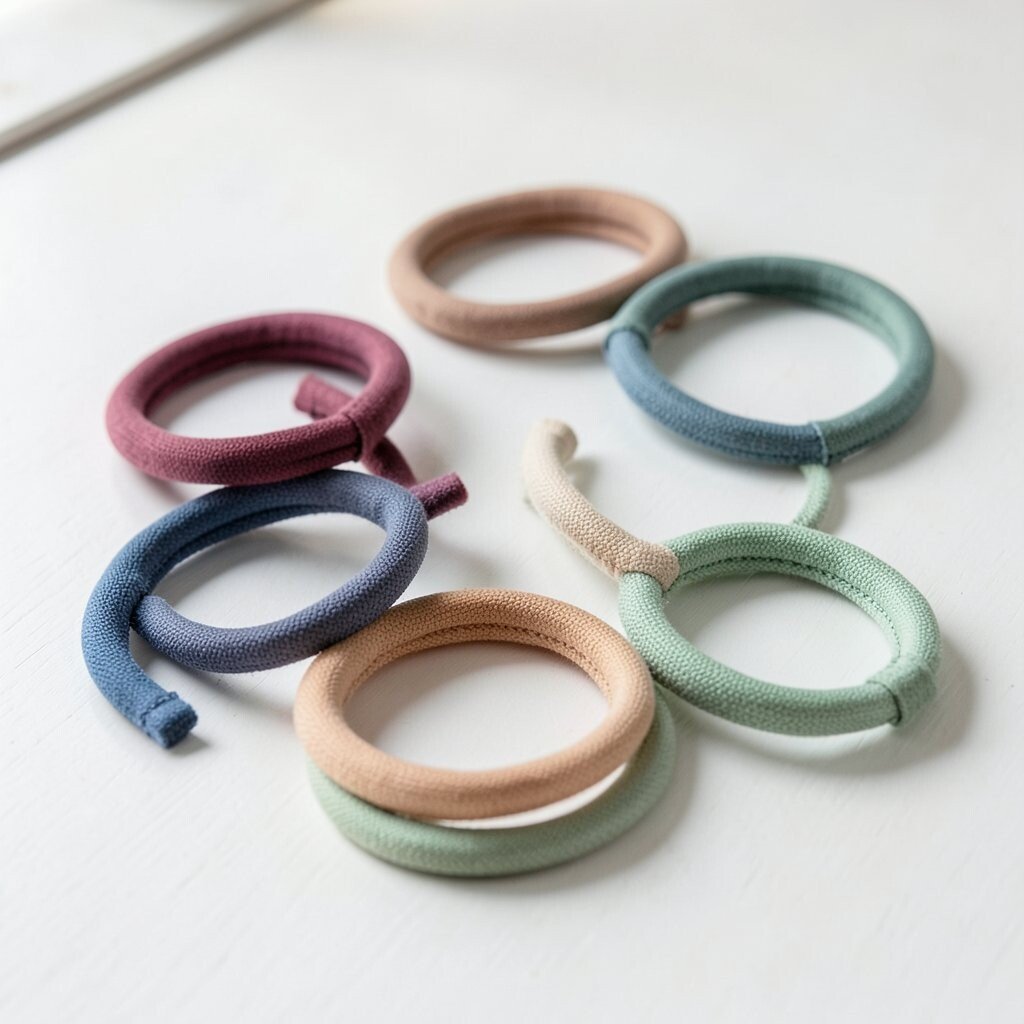
Recycled polyester ties usually look sleek and even, with a clean, tidy finish. You may notice they feel a bit more “sporty” than cotton because of their smooth, synthetic stretch.
Choosing recycled polyester helps keep plastics in circulation rather than sending them straight to landfill. If you like ponytails that stay put, look for ties with firm elasticity and a slightly thicker band.
To personalize, choose neutral tones like black, taupe, or navy for an easy mix-and-match set. For cost, buying a multi-pack can lower the price per tie, especially when you rotate styles. Many shoppers now prefer these modern, low-fuss bands because they look neat and work well for both casual and gym days.
4. TENCEL Lyocell Hair Ties for Smooth, Low-Friction Wear
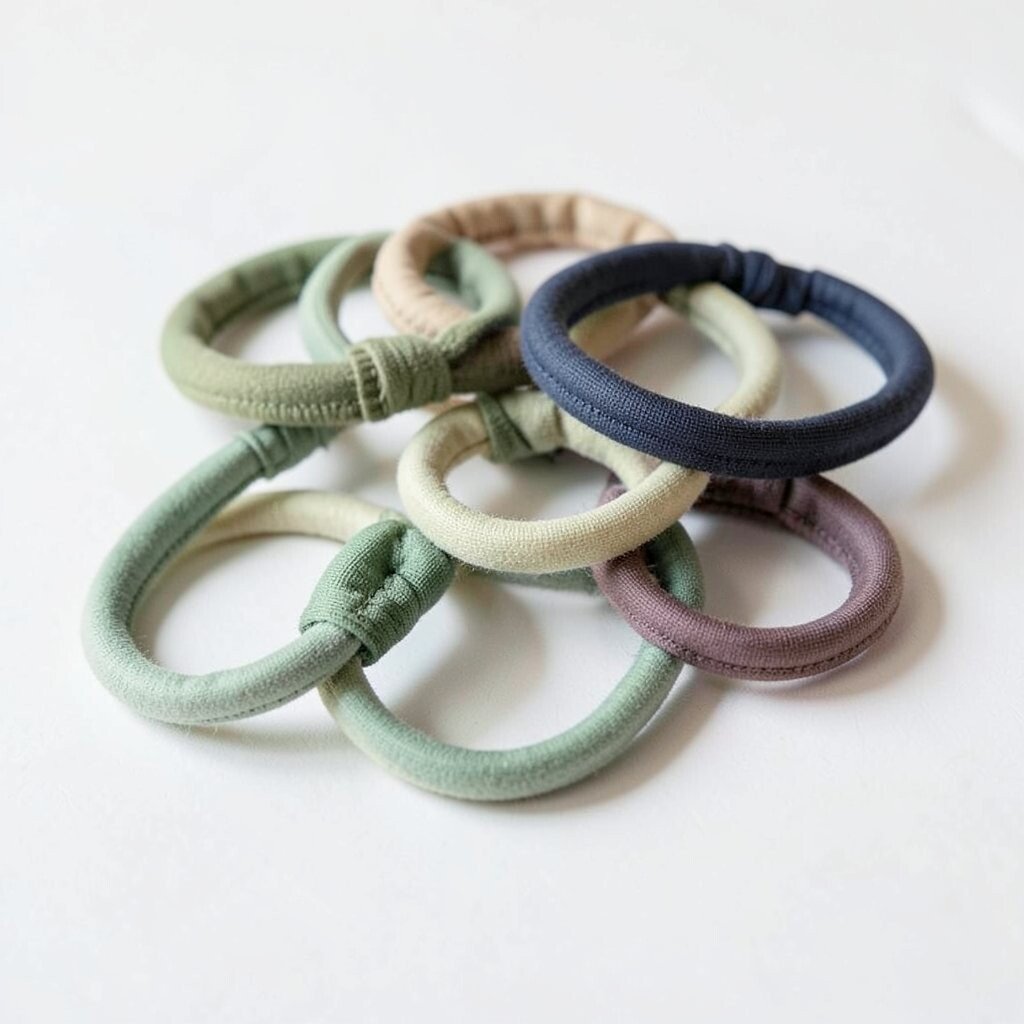
Lyocell ties often have a soft, polished feel, and you can see a gentle sheen along the band. They look understated, like a fabric accessory rather than a basic tool.
This fiber is known for being smooth, which can help reduce friction and breakage, especially for people with dry or color-treated hair. For practical use, slip the tie on with a steady motion instead of yanking, and avoid tight knots that stress the hair shaft. If your hair tangles easily, keep a matching silk or satin scarf in your routine to pair with these for extra glide.
5. Natural Rubber-Free Scrunchies From Plant-Based Fabric
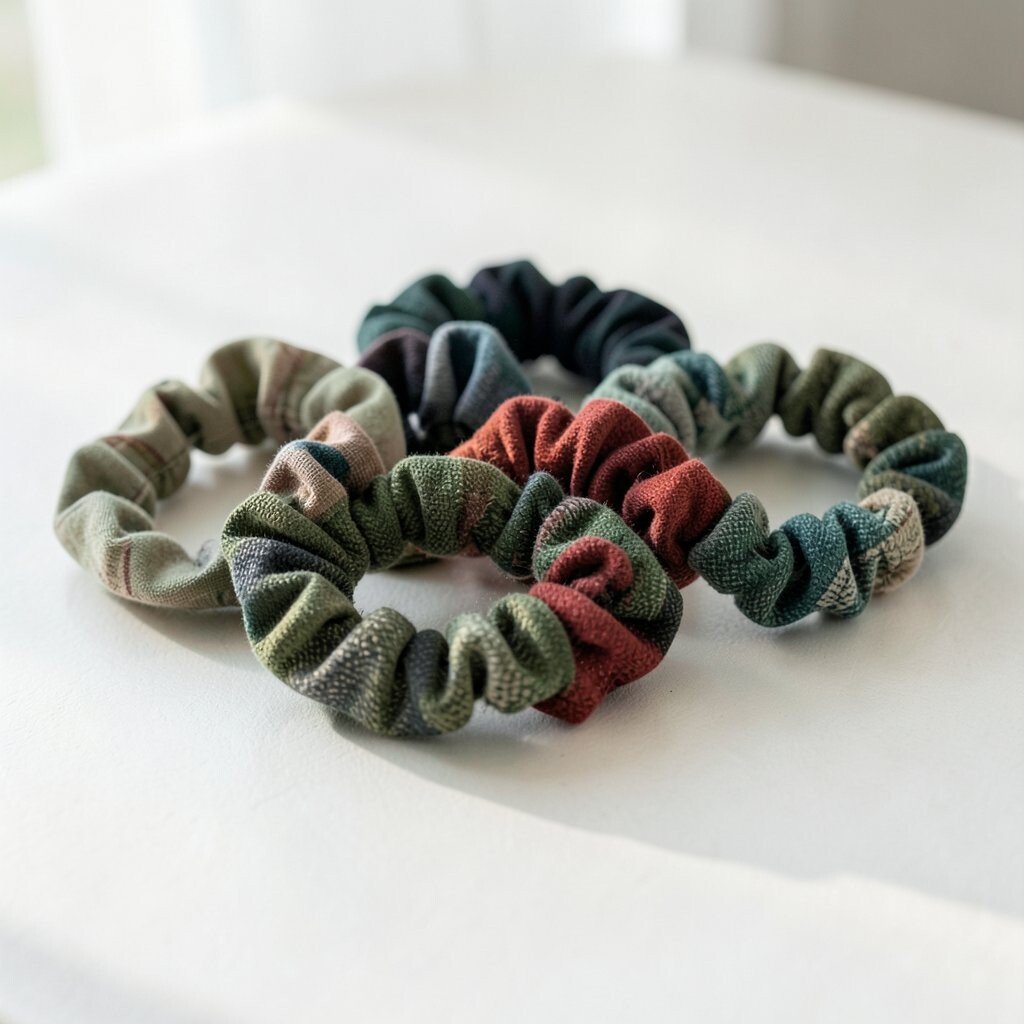
Plant-based scrunchies often look fluffy in a way that’s fun, with visible fabric texture you can actually feel. They bring a retro vibe, but modern versions look cleaner and less messy.
A big advantage is reducing reliance on rubber, since many plant-based options use fabric-friendly construction to grip hair. If you love volume, use these with a looser hold and then gently fluff the hair at the crown.
For personalization, choose prints that match your personality, from tiny florals to bold stripes. Cost-wise, scrunchies can be mid-range, so watch for sales on brand bundles. A current trend is “soft grip” accessories that feel gentle but still hold style well for the whole day.
6. Hemp Hair Ties With Strong Yet Rustic Texture
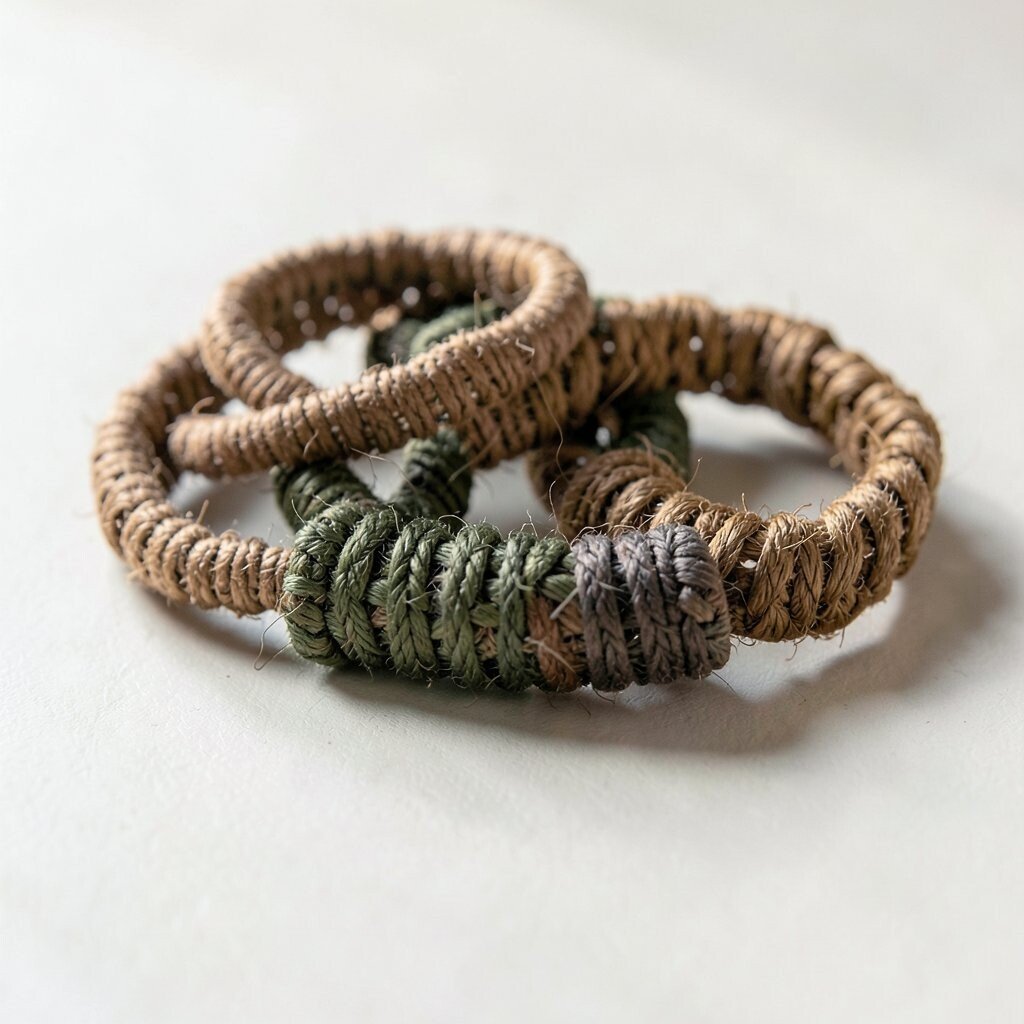
Hemp ties have a grounded, earthy look, often with a slightly coarse texture that still feels secure. When you wrap one around your hair, it grips in a steady way that feels confident.
Hemp is naturally sturdy, which can mean fewer stretches and longer wear compared to flimsy bands. For best results, avoid making the tie too tight, since hemp can hold firmly even when snug. If you have thick hair, a hemp tie can be a great choice for keeping a bun neat during busy days.
To personalize, pick earth tones like olive, clay, or sand for a natural aesthetic. Cost can vary, but hemp products sometimes cost more upfront due to stronger materials. Many people are trending toward “workhorse” accessories that last through commutes, travel, and everyday sweat.
7. Upcycled Silk Hair Ties for a Gentle Shine
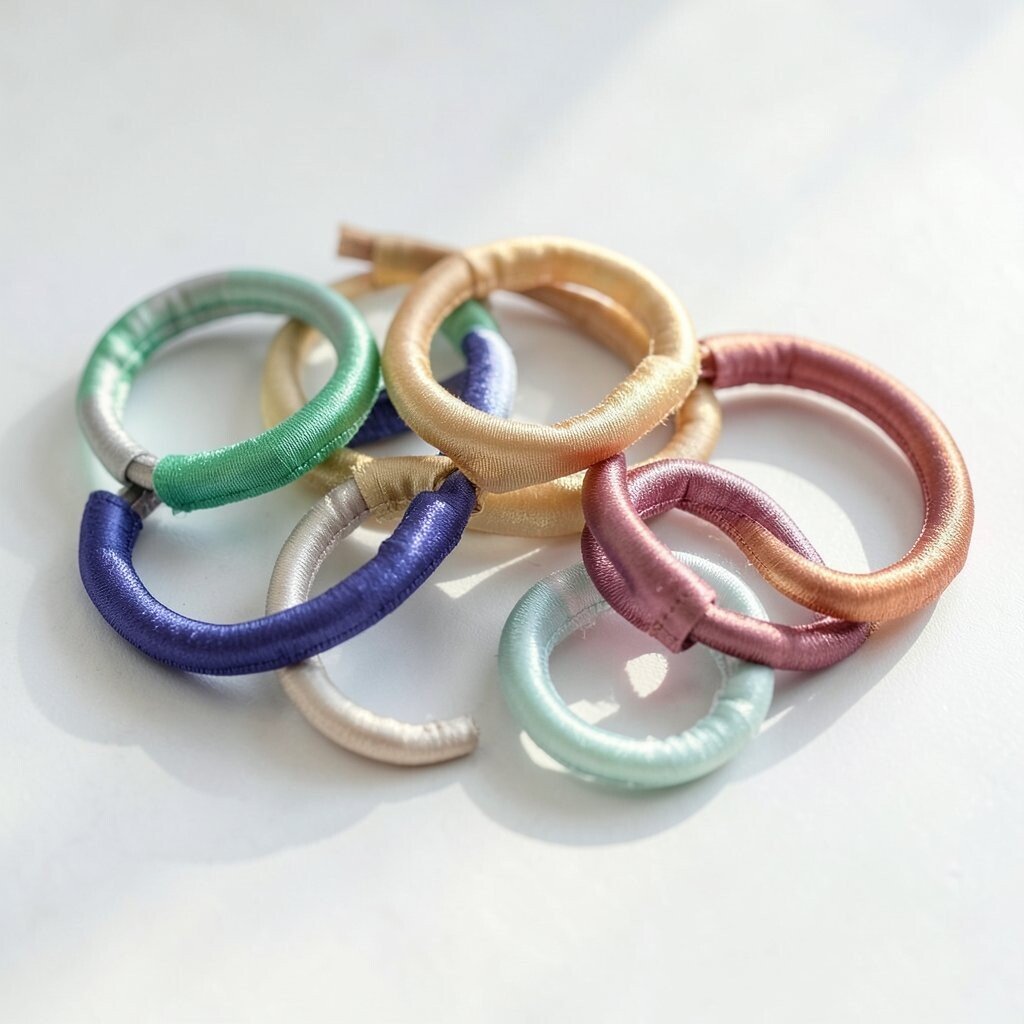
Upcycled silk ties have a luxurious look, like soft fabric ribbons with a smooth twist. Colors can be surprising because recycled silk often carries traces of old dye.
Silk is famous for being gentle, which can help reduce frizz and friction when you pull your hair back. Make it practical by using silk ties for low-tension styles like loose ponytails or half-up looks.
Personalization is easy since each tie may be slightly different, like a one-of-a-kind piece. Cost is often higher than basic cotton, but buying one excellent tie can replace several low-quality elastics that snap quickly. A current trend is collecting beautiful hair accessories that double as small fashion statements rather than hidden tools.
8. Orange-Tree Fiber Hair Ties for a Fresh Citrus Feel
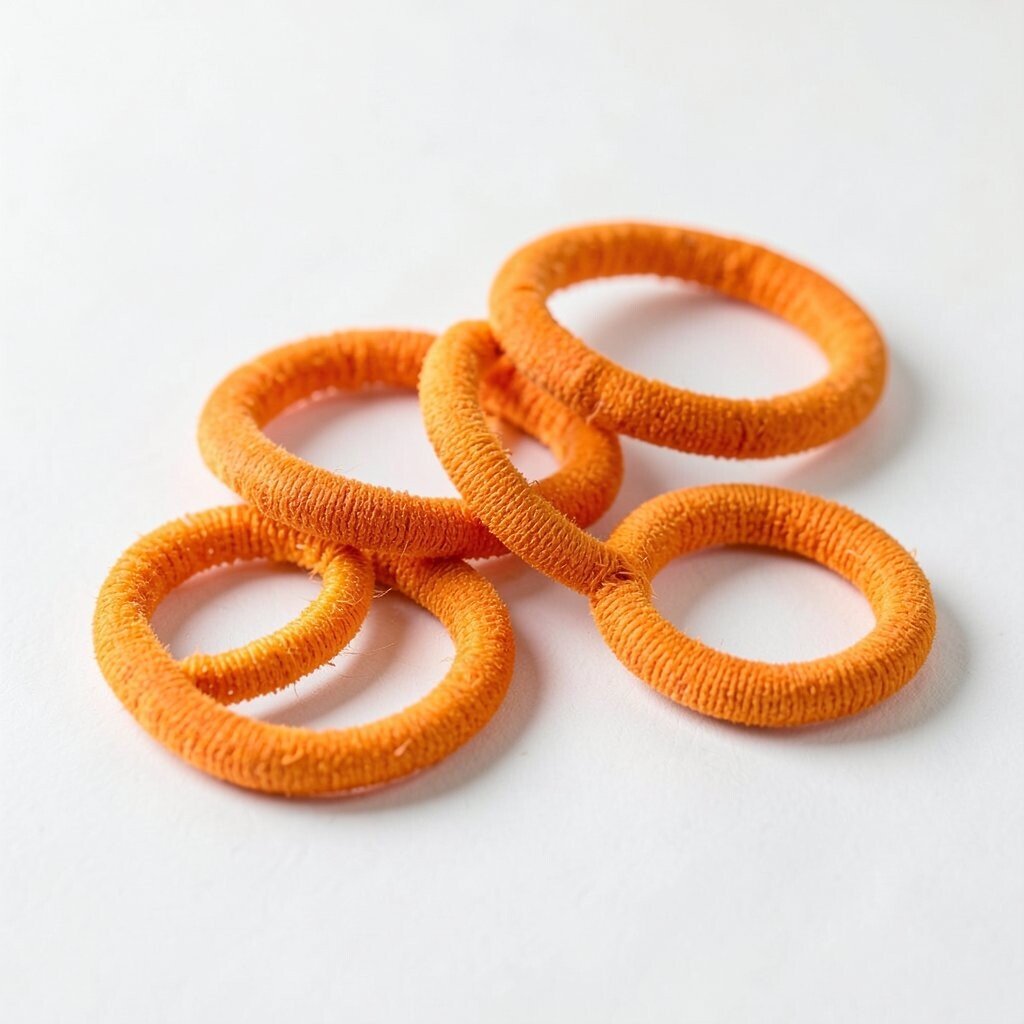
Some eco makers use plant fibers that look like tightly woven fabric strips, and the texture is visibly clean and strong. They can have a bright, lively color that feels playful even when your outfit is simple.
Using alternative plant fibers can reduce reliance on petroleum-based materials, which is a win for the planet and for your routine. For practical tips, choose a tie that matches your hair weight, since heavy hair needs a stronger grip and lighter hair can use thinner bands. If you dye your hair, be mindful of gentle handling because natural fibers can still benefit from careful care.
Personalization can be as easy as rotating colors by season, like warm shades for fall and bright tones for spring. Cost may be moderate, and limited runs can make them pricier, so keep an eye on restocks. Many shoppers now seek “story” materials that feel different in both look and feel.
9. Coconut Husk Hair Ties That Match Natural Aesthetics
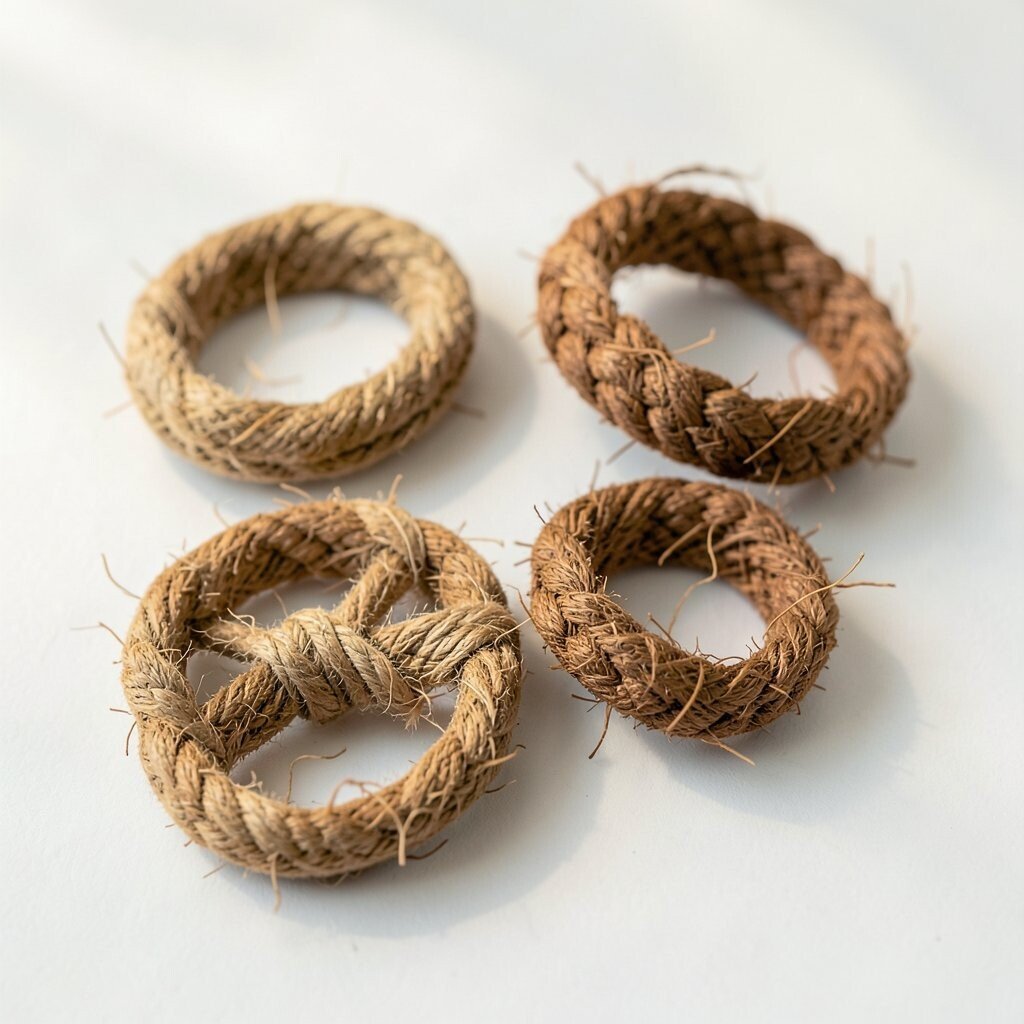
Coconut husk ties often look organic and textured, like mini fibers braided into a band. When held up to light, they can show warm brown highlights.
The natural grip can help keep a simple ponytail in place without needing a super tight pull. For practical use, dampen the tie slightly if it feels dry or stiff, then let it air dry before storage.
Personalization ideas include styling with natural beads or wood hair clips for a cohesive look. Cost considerations are usually favorable, since plant-based materials can be affordable, though craft-made ties may be higher. A trend gaining attention is using earth-toned accessories that look good and feel more personal than standard black elastics.
10. Seed-Print Fabric Hair Ties With Charming Patterns
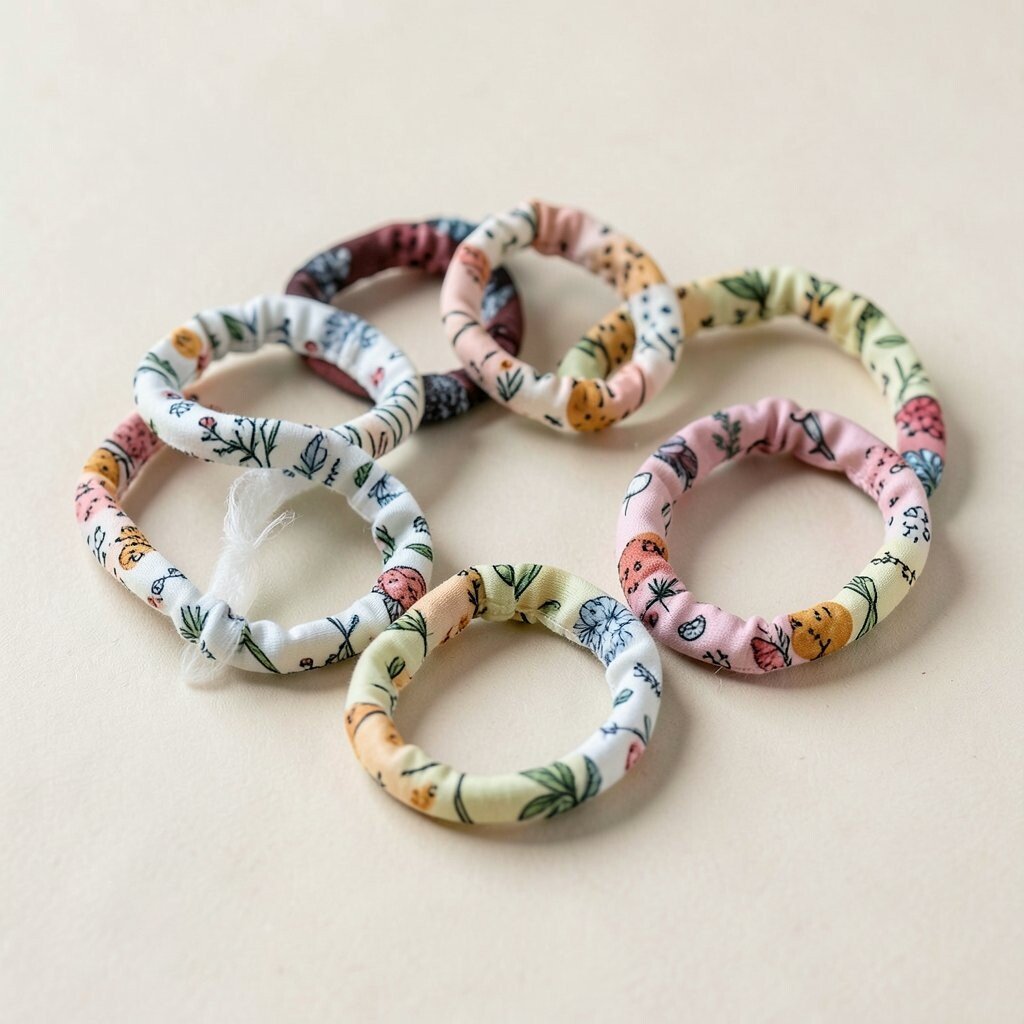
Seed-printed ties look cheerful, with repeating tiny shapes that feel like a little garden on your wrist. The fabric base tends to be soft, and the print gives it a friendly, casual look.
Patterned fabric can add fun without sacrificing function, especially when the band includes reliable stretch. A practical tip is to avoid tying too close to the hairline if you’re prone to soreness, since gentle placement helps comfort. If you wear your hair up often, keep a small rotation so each tie rests and keeps its elasticity.
For personalization, choose patterns that match your mood, like calm florals or playful doodles. Cost is often mid-range for printed fabric ties, and buying a few colors can spread the value across weeks. Right now, many people are choosing accessories that are both eco-friendly and visually fun, because style matters even in small choices.
11. Organic Jute Wrap Hair Ties for a Minimal, Earthy Style
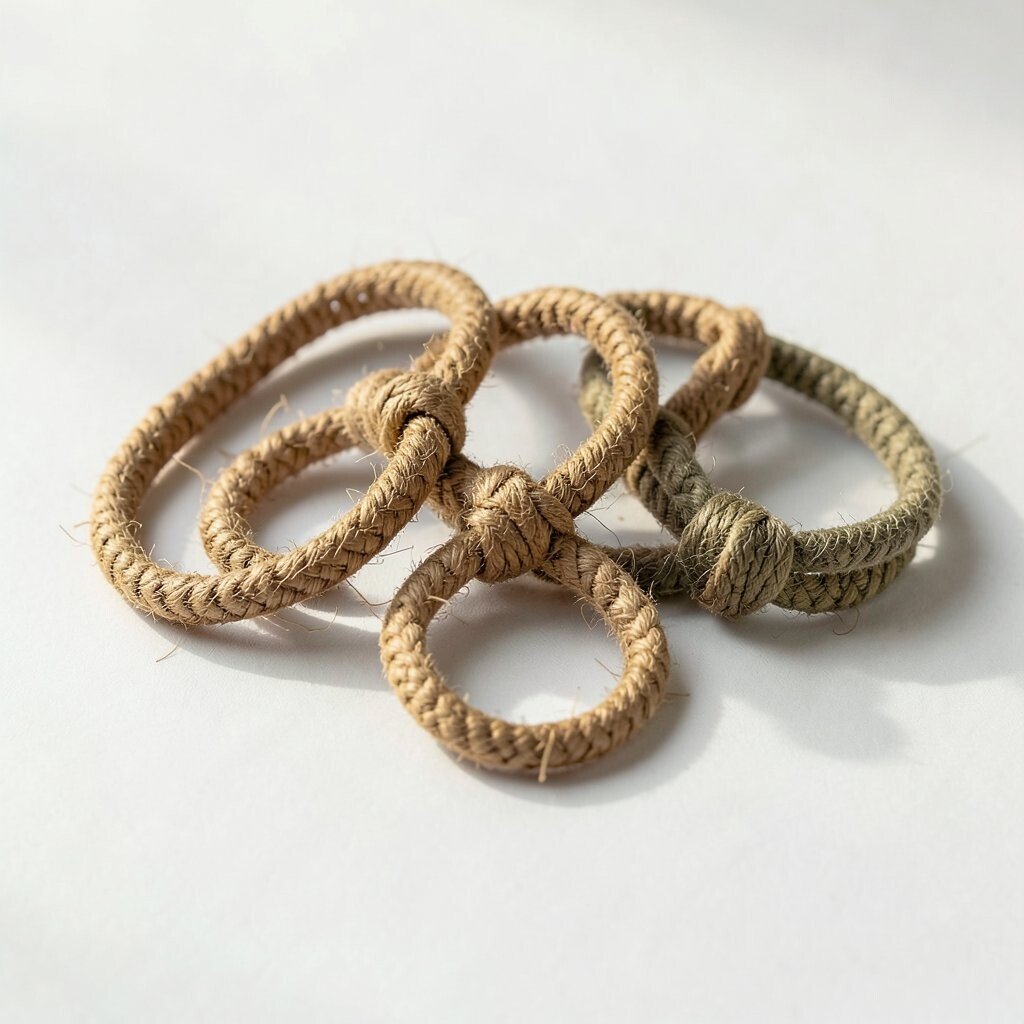
Jute hair ties look like slim wraps with a rough, natural charm, and they can feel a bit like twine. The look is simple, but it stands out when your ponytail swings.
Jute can offer a firm grip that works well for thicker hair, especially when you form a secure base ponytail. Use practical care by keeping it dry and avoiding heavy moisture, since plant fibers can weaken if soaked repeatedly.
Personalization is great because jute ties can be paired with hair wraps, beads, or a matching headband for a full look. Cost is often budget-friendly, making it easy to try this style without spending much. A current trend is “handcrafted” accessories that look intentional and natural rather than mass-produced.
12. Vegan Leather-Style Hair Ties Made From PUL Films
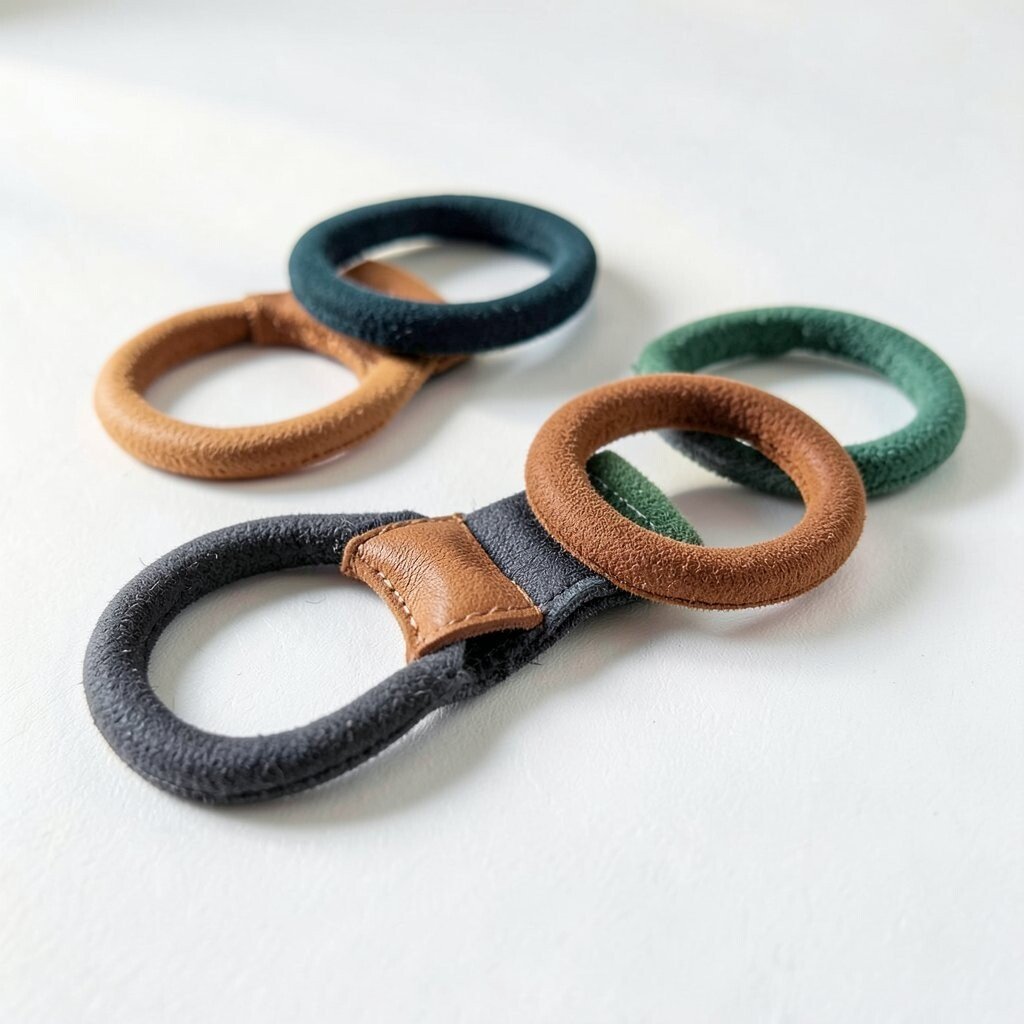
PUL-style ties can look smooth and modern, like a clean strip that has a gentle, flexible structure. They often come in sleek colors, and the finish can mimic leather without the heavy impact.
These can be a good choice if you want a neat, polished look with reliable hold for everyday styling. For practical tips, keep a soft grip by choosing a band that flexes easily rather than one that feels stiff or brittle. If your hair is prone to snagging, choose a version with a smoother inner edge.
For personalization, match the tie to your bag or belt colors so your accessories feel coordinated. Cost can be mid-to-higher depending on quality and construction, but sturdy materials can reduce how often you replace them. The current trend is cruelty-free, modern accessories that still aim to lower material impact.
13. Natural-Blend Hair Ties With Recycled Content and Comfort Stretch
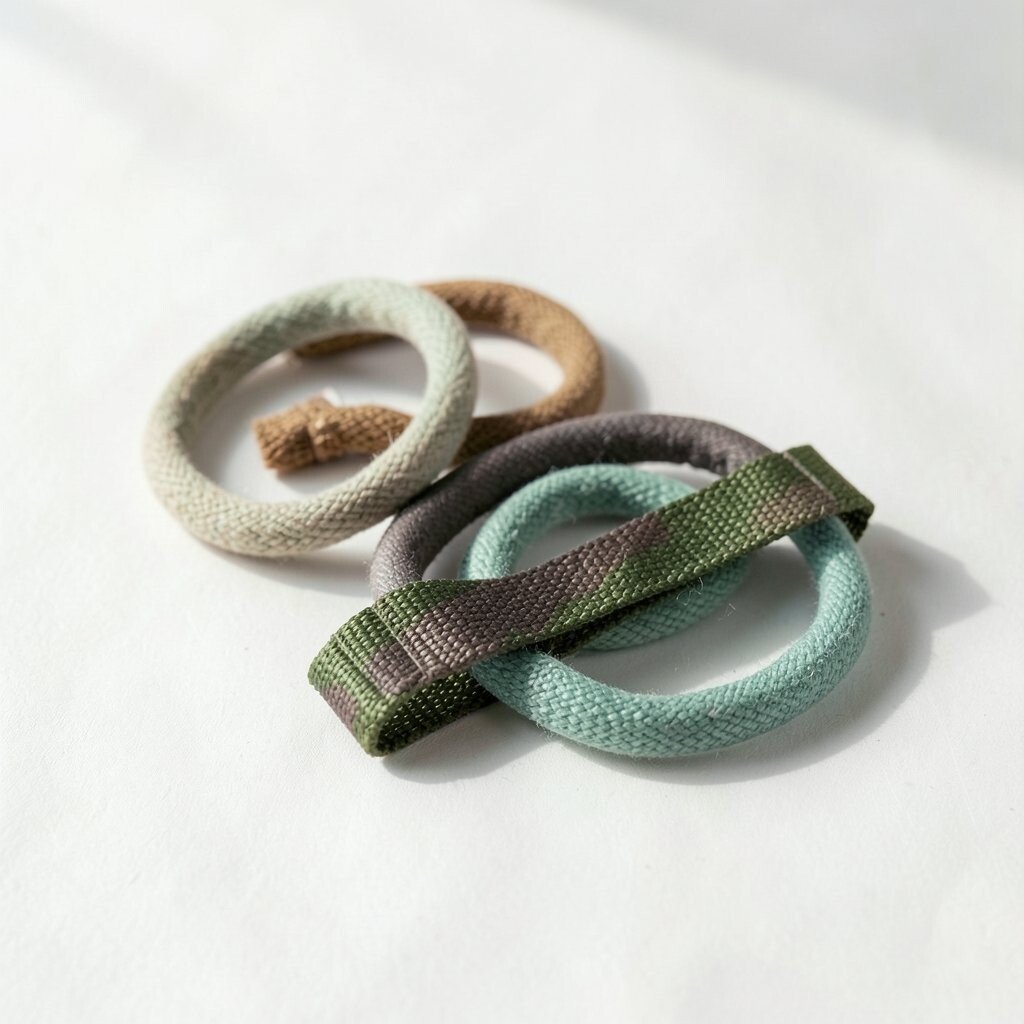
Natural-blend ties usually have a balanced look, combining a soft outer feel with dependable stretch. You may see slight variations in color because blends can have a more organic, lived-in appearance.
This kind of mix often aims to give you comfort plus performance, so you get gentle wear without losing hold. A practical tip is to test one tie first with a day that isn’t stressful, then adjust your tightness if you notice any pulling.
Personalization can happen by building a small set with different stretch levels for different hairstyles. Cost-wise, blends might be slightly higher than single-fiber options, but the “best of both” feel can mean fewer replacements. Many shoppers now prefer these hybrids because they’re comfortable, functional, and often come in attractive everyday shades.
14. Colorfast Organic Cotton Ties for Long-Lasting Style
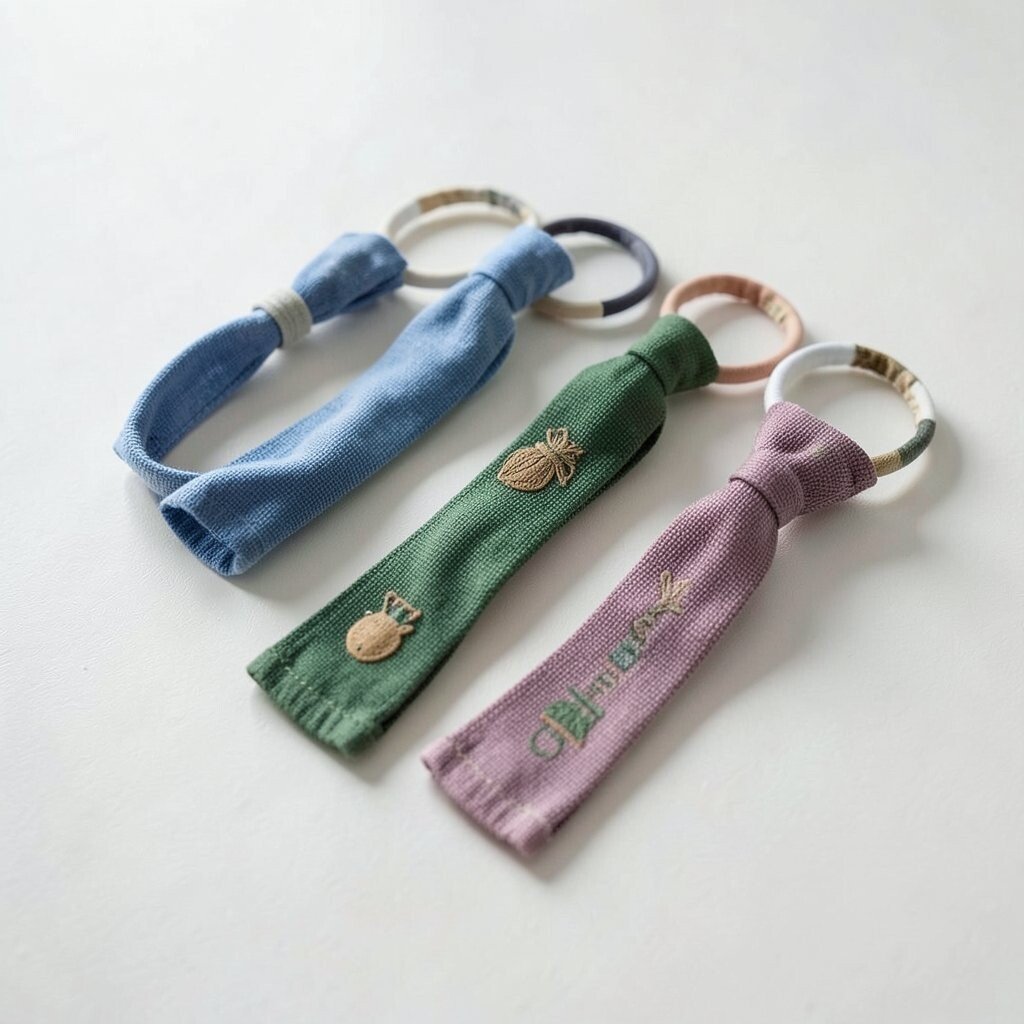
Colorfast cotton ties look bright and steady, with dye that seems to stay even after repeated use. The fabric tends to show a soft, tidy weave that feels friendly on hair.
The benefit here is confidence, since you don’t have to worry about your favorite color fading after a few washes of your scrunchie or tie. Use practical care by storing ties away from direct sunlight for longer color life. If your hair gets sweaty, rinse ties gently and let them dry fully before the next day.
Personalization ideas include choosing a “work set” in calm colors and a “weekend set” in playful shades. Cost considerations are usually reasonable for cotton products, especially when you buy a bundle to match your routine. A current trend is building a small capsule collection of hair accessories so your choices feel curated rather than random.
15. Multi-Pack Assorted Eco Ties for Everyday Matching
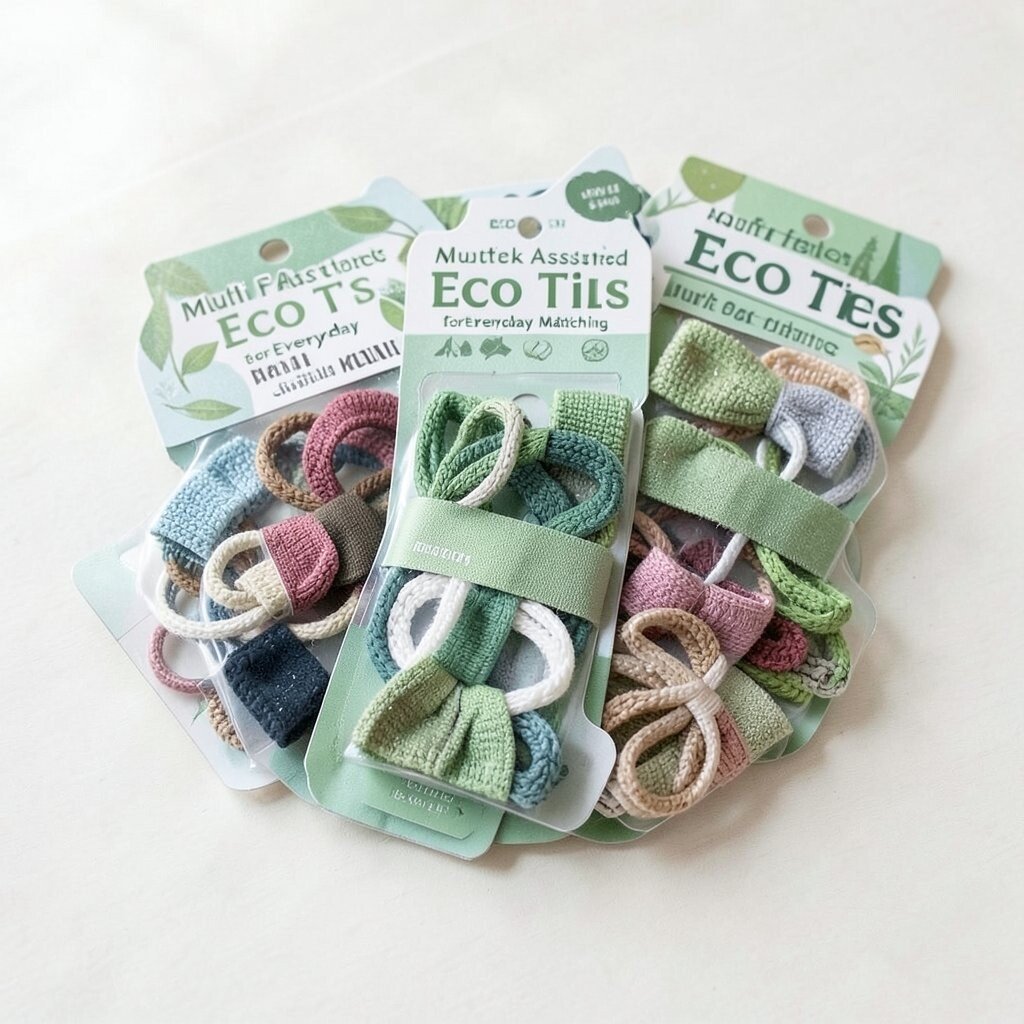
Assorted eco-friendly ties often look like a mini gallery, with different textures you can spot right away. You can choose by feel, grabbing a soft knit for comfort or a firmer option for stronger hold.
Having more than one style helps you match the tie to your day, like a gentle option for wind-down routines and a stronger one for long commutes. For practical tips, rotate your ties so each one rests, and keep a couple in your bag, a couple at home, and one in your gym kit.
Personalization is easy because you can build a set based on your hair thickness, styling habits, and color preferences. Cost-wise, multi-packs can be a smart buy, especially when they reduce the chance of replacing a tie that loses stretch too quickly. Today’s trend is “mix and match accessories,” so people feel more creative and intentional with small daily choices.