The shoreline has a secret city tucked into the rocks. Each tide pool holds tiny dramas that feel made just for curious eyes.
Step in at the right time, and you’ll see living color where you expected only sand and stone.
1. Mendocino Harbor Secrets
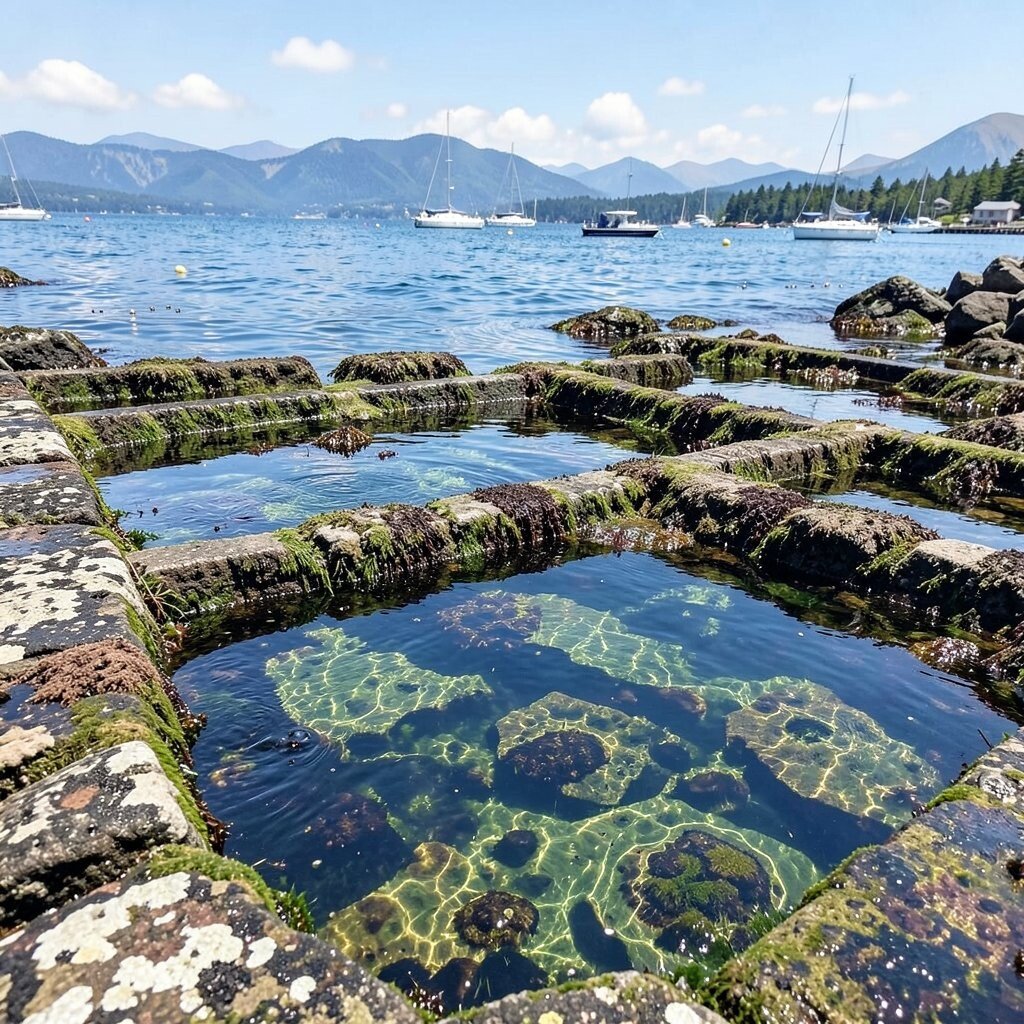
Along California’s Mendocino coast, tide pools look like little windows cut into dark rock. When the water slides away, you can spot snails, anemones, and slim green patches that cling like velvet.
Going early gives you calmer light for spotting movement, and walking slowly helps you avoid disturbing creatures. Bring a small notebook to write what you see, because patterns like algae colors and wave timing can repeat in surprising ways.
2. Olympic Peninsula Barnacle Streets
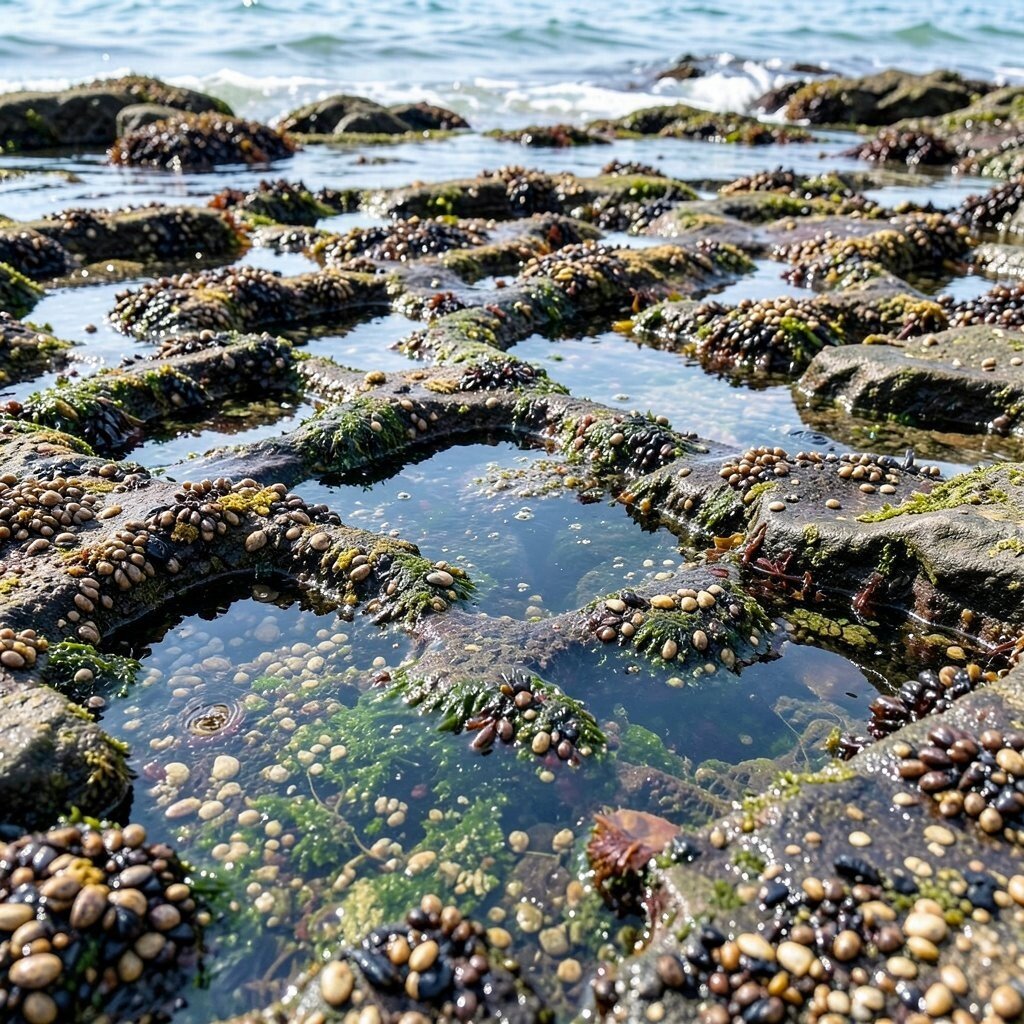
On the Olympic Peninsula in Washington, barnacles cluster in thick walls that seem almost architectural. In sheltered pockets, mussels and sea stars share space with bits of seaweed drifting like ribbons.
The benefits are real for families too, because the rocky edges often feel steady underfoot. Wear shoes with good grip and keep your hands to yourself so animals stay safe while you watch.
For personalization, choose one species to “follow” across pools and compare sizes as water changes. A simple waterproof phone case can help you capture your favorite angles without buying special gear.
3. La Jolla’s Spotted Garlands
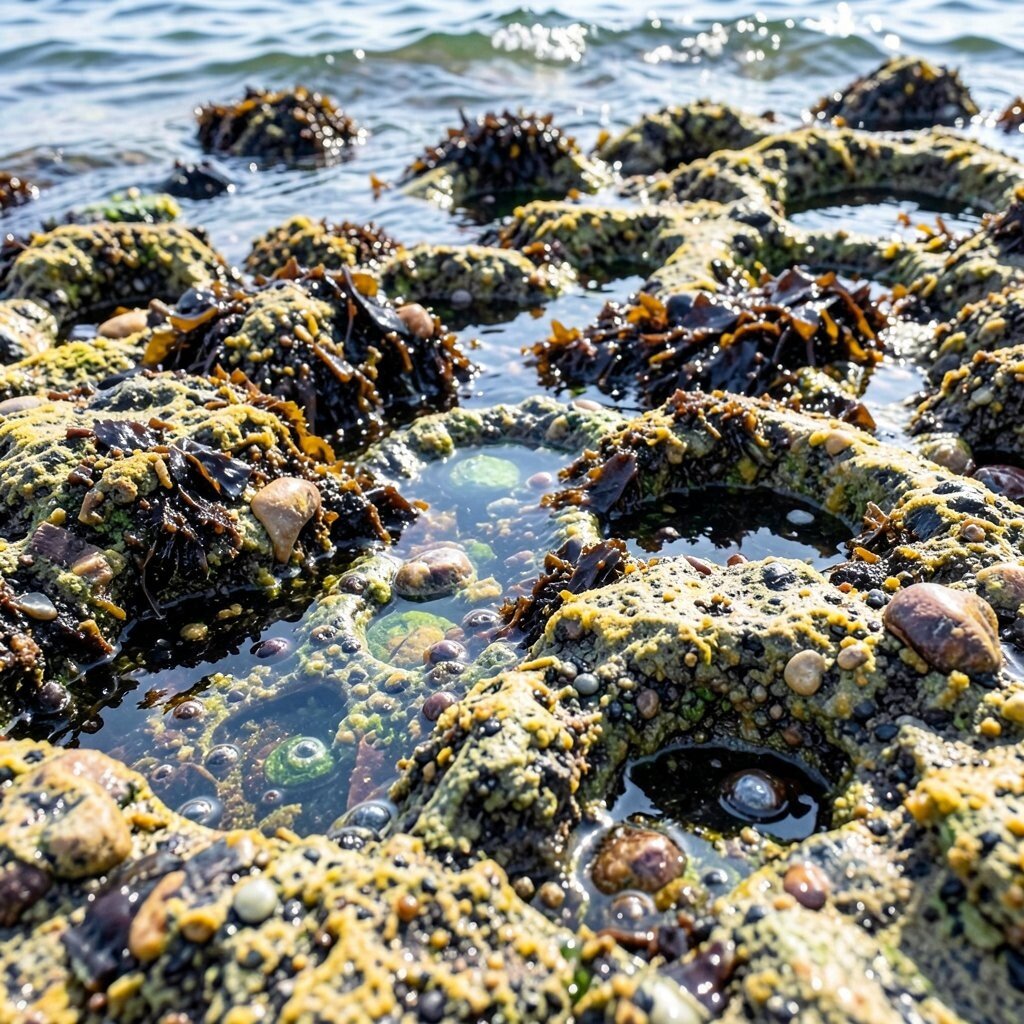
Near La Jolla, tide pools can look like a mosaic of color, with seaweed fronds curving through sunlit water. You’ll often find bright organisms tucked into cracks that act like tiny hideouts.
Watching from a distance is a smart habit, since many animals need time to settle back when waves return. Consider timing your visit with low tide so your viewing window feels long enough to enjoy every detail.
Cost stays low because much of the fun comes from careful observation and good clothing. Trend-wise, more people now use tide-tracking apps to plan safer visits, and that makes the whole trip feel more relaxed.
4. Point Reyes Rock Gardens
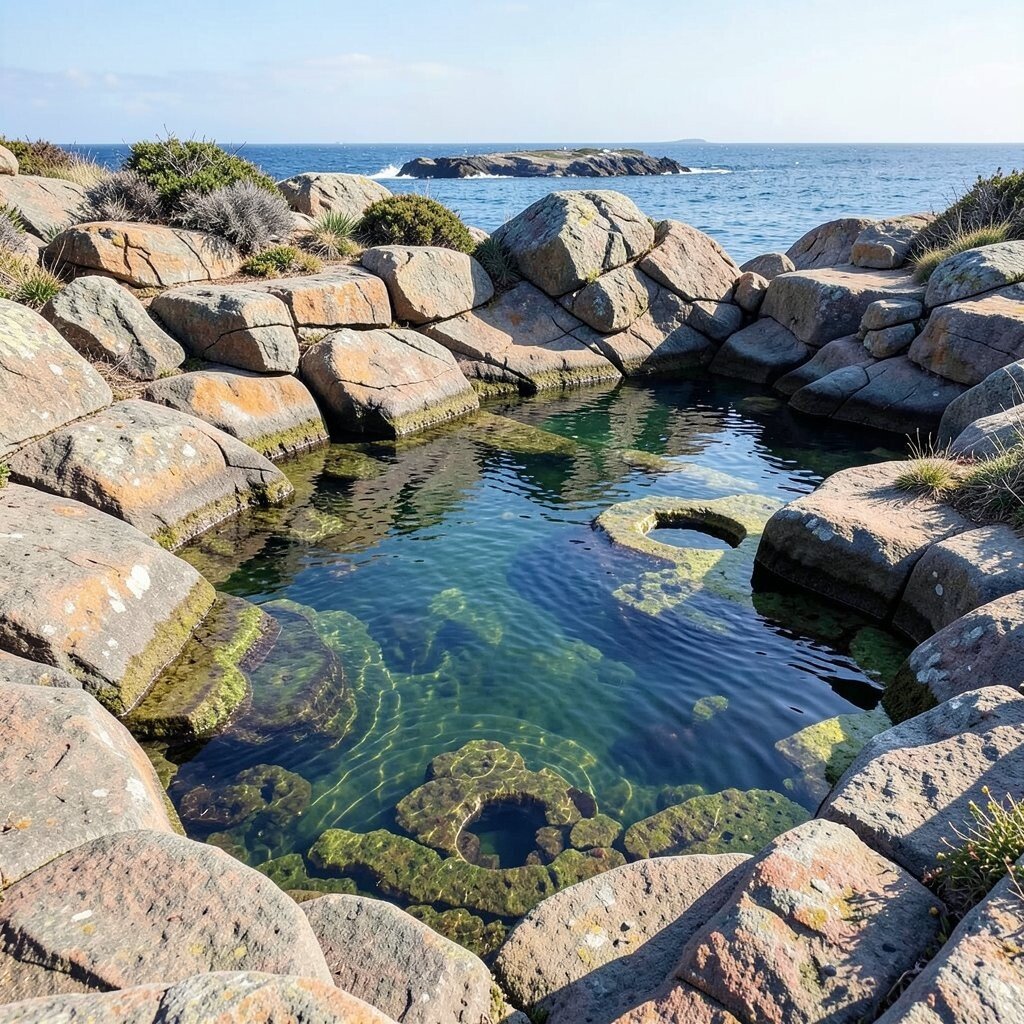
Point Reyes offers tide pools that feel wide and dramatic, with strong scenery around each pocket. The rock surfaces range from smooth to jagged, so you get plenty of texture to study while you wait for the next wave rhythm.
You’ll benefit from lingering, because marine life often changes position as the tide shifts. Pack layers, since the wind can sneak in even on a mild day, and bring a light bag for any litter you spot so the area stays welcoming.
5. Cape Cod Glassy Pools
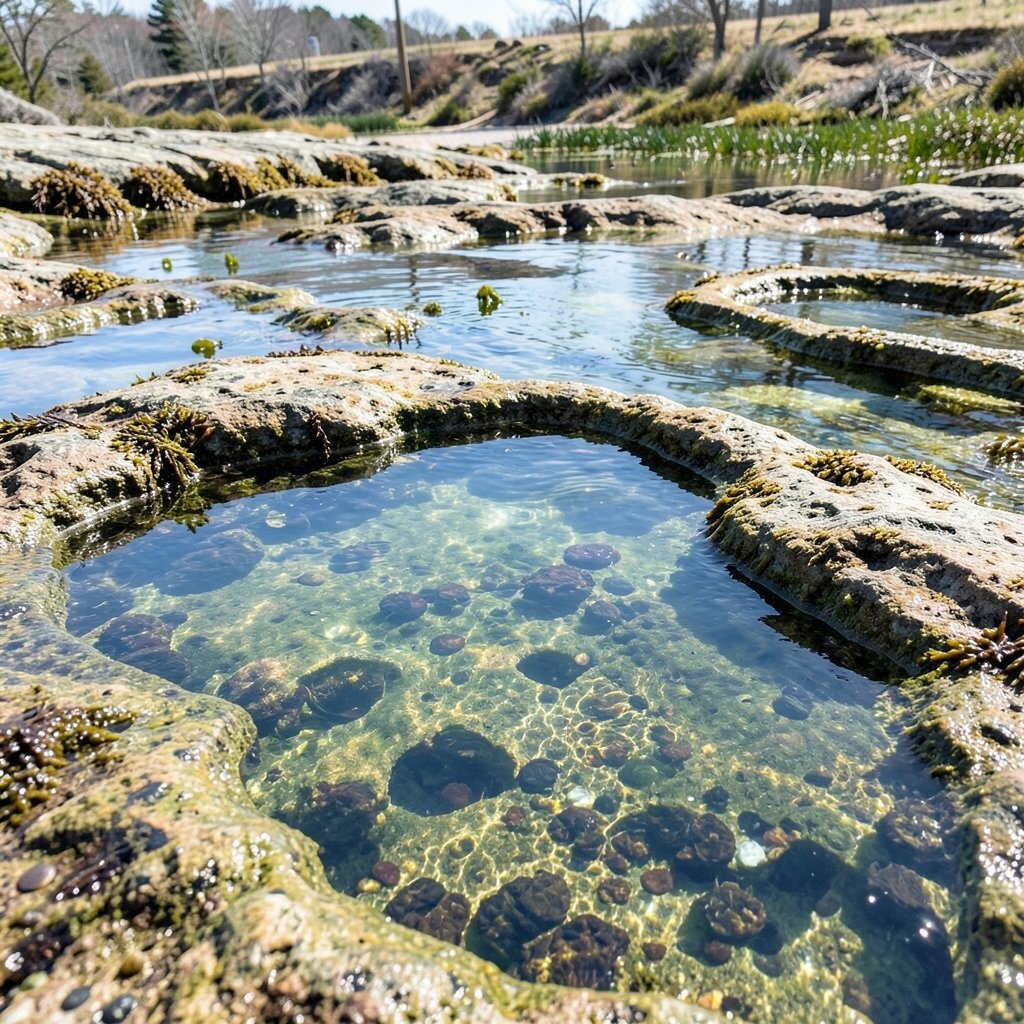
On Cape Cod, tide pools can look almost glassy when the water is calm, making tiny shells stand out sharply. You might see small crabs scuttling over sand grains and colorful algae beds that sway with each breath of the ocean.
A big benefit of this coast is that many areas are easy to reach on foot once you park, so you spend more time looking and less time traveling. A practical trick is to bring a beach towel to sit nearby and a timer to keep track of how long the tide stays low.
For personalization, take “before and after” photos from the same spot to see how organisms shift as water returns. Costs can stay modest if you choose simple binoculars and skip expensive add-ons, since close-looking beats fancy equipment.
6. Channel Islands Hidden Niches
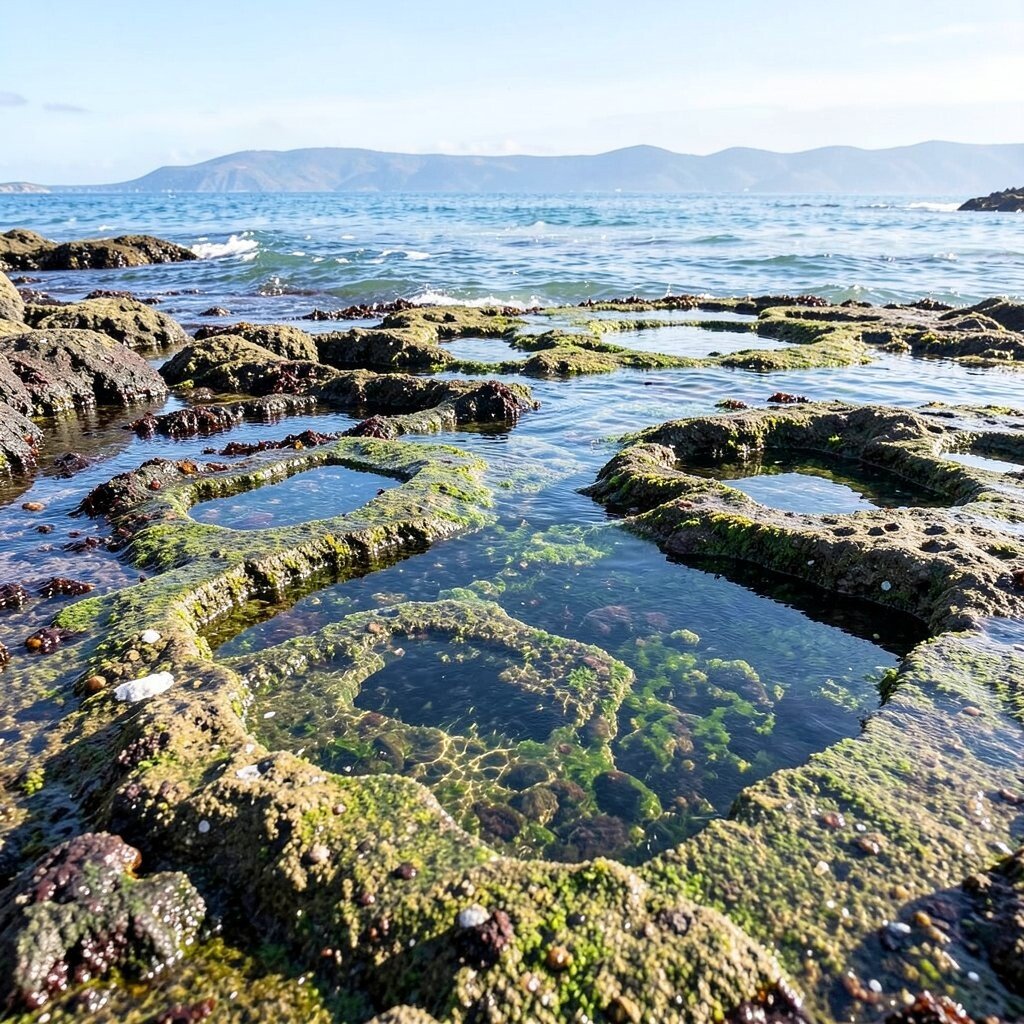
The Channel Islands feel like a world apart, with tide pools tucked into volcanic-looking rock. Sunlight can bounce off wet stone in bright flashes, and the pools can hold everything from snails to schools of tiny fish when conditions are right.
This place shines for unique sightings, because island ecosystems often bring different species than the mainland. Consider bringing a field guide and learning one local name per visit, so each outing adds to your knowledge.
7. Monterey’s Rock Ledges
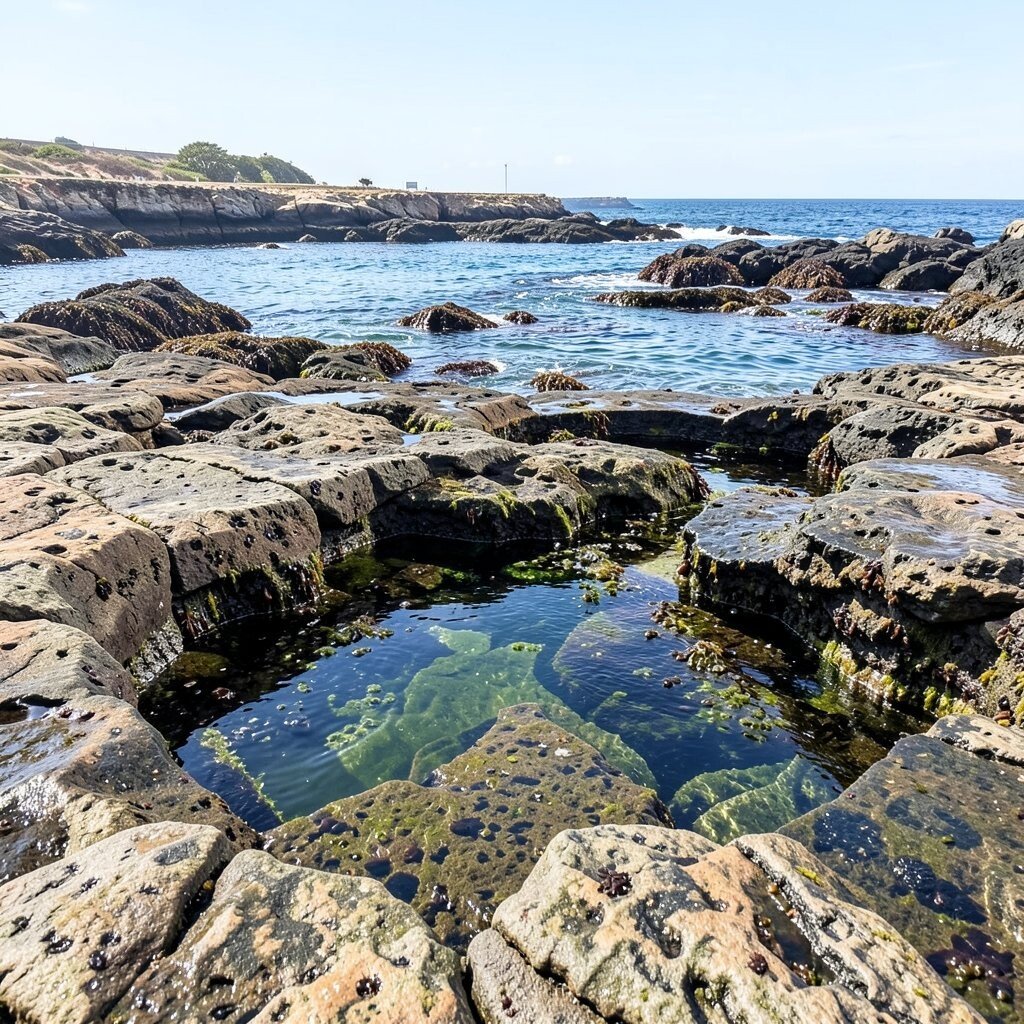
Monterey has rock ledges that act like natural stages, and tide pools there can feel like a living classroom. Look for seaweed curtains and the slow, steady movement of creatures tucked into shaded corners.
One practical tip is to choose a safe route that avoids slippery algae and steep drop-offs. The benefits include a strong chance of seeing mixed life in a small area, so you get variety without needing long hikes.
To make it yours, pick a “sound theme” and notice what you hear at different tide levels, from gull calls to water hush. While costs are usually manageable, you can spend a little extra on high-quality waterproof footwear because your feet will feel grateful.
8. Santa Cruz Sandstone Chambers
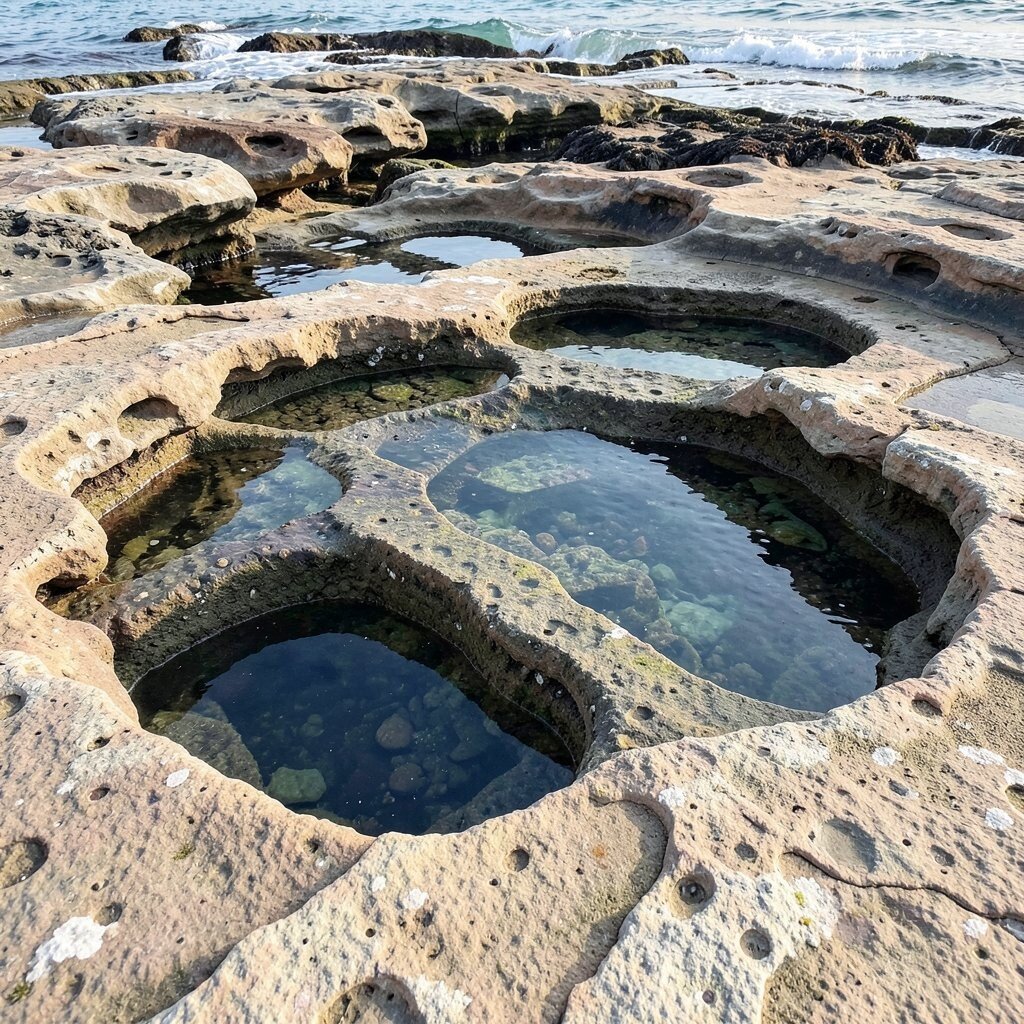
Santa Cruz tide pools often sit in sandstone areas that create gentle basins for water to rest. The visuals can be soft and golden, with algae forming lacy patterns along the edges.
Going with a buddy helps, because one person can watch the tide while the other takes photos or notes observations. For personalization, use a color checklist in your phone so you remember what shades showed up that day.
9. Alaska’s Ice-Edge Pockets
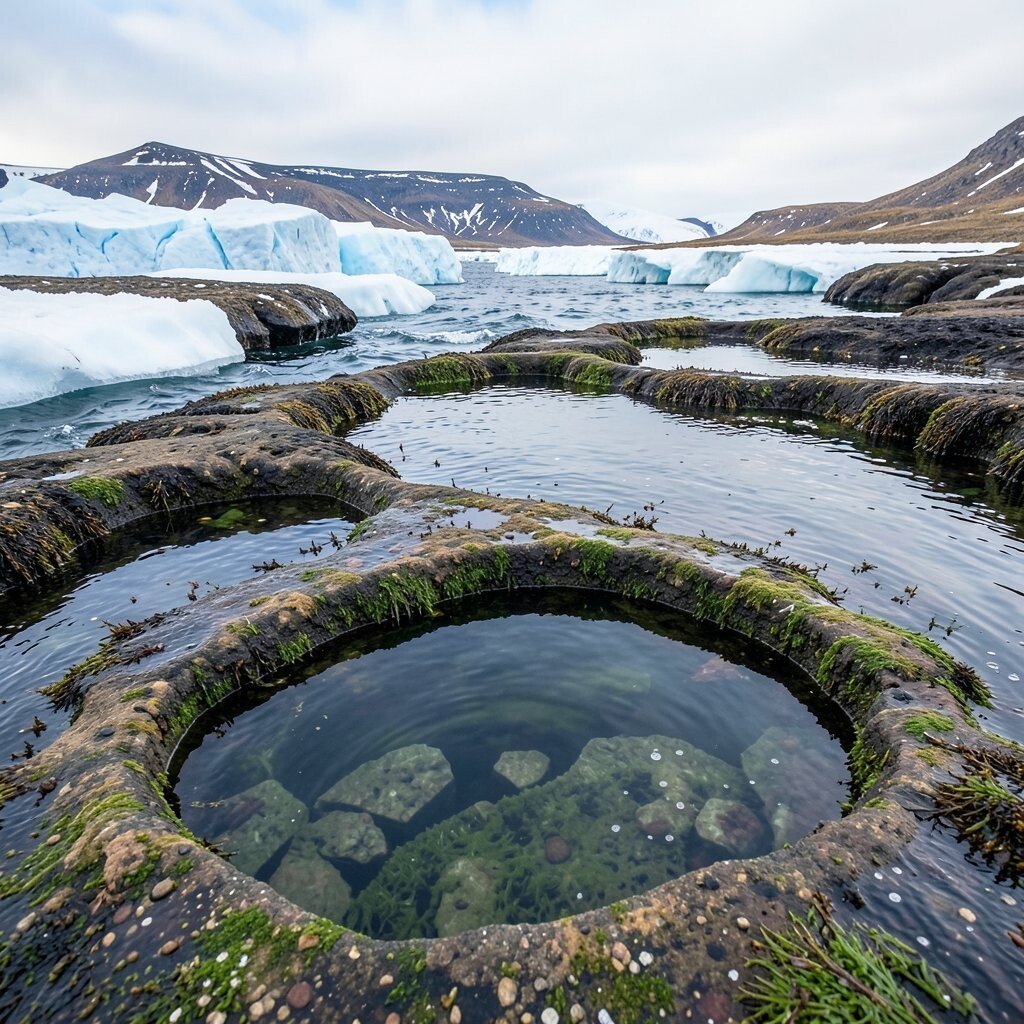
In parts of Alaska, tide pools can feel like miniature ecosystems carved by cold and time. You may notice thick, hardy organisms gripping rock, and the whole shoreline can look crisp under pale light.
The uniqueness here is intense, since colder waters can mean different species and a slower pace of change. Practical tips matter most, so pack warm gloves, a hat, and warm drinks, because chilly hands reduce how long you can safely observe.
If you want a cost-friendly plan, rent or borrow gear when possible and focus your spending on proper outer layers. A current trend is using simple logbooks to track water clarity and weather, which helps you learn patterns over multiple trips.
10. Oregon Coast Secret Steps
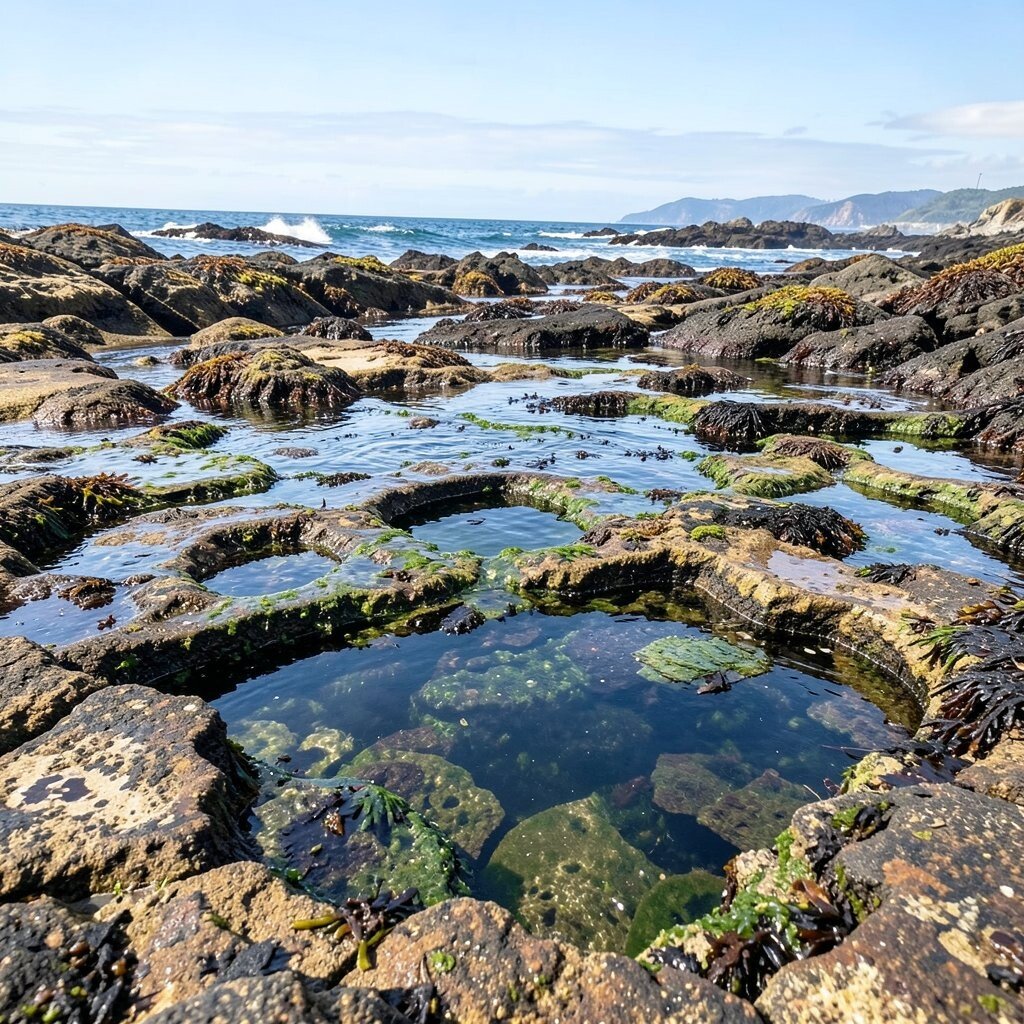
Oregon’s coastline has tide pools that appear like stepping stones along the rocks. When the tide pulls back, you can see crabs, tiny seaweeds, and smooth stones dotted with life.
The best benefit is the mix of adventure and comfort, because many steps and platforms keep you close to the action without extreme climbs. Watch for slick patches and test each footing, especially after misty weather.
11. South Carolina Blue-Glow Basins
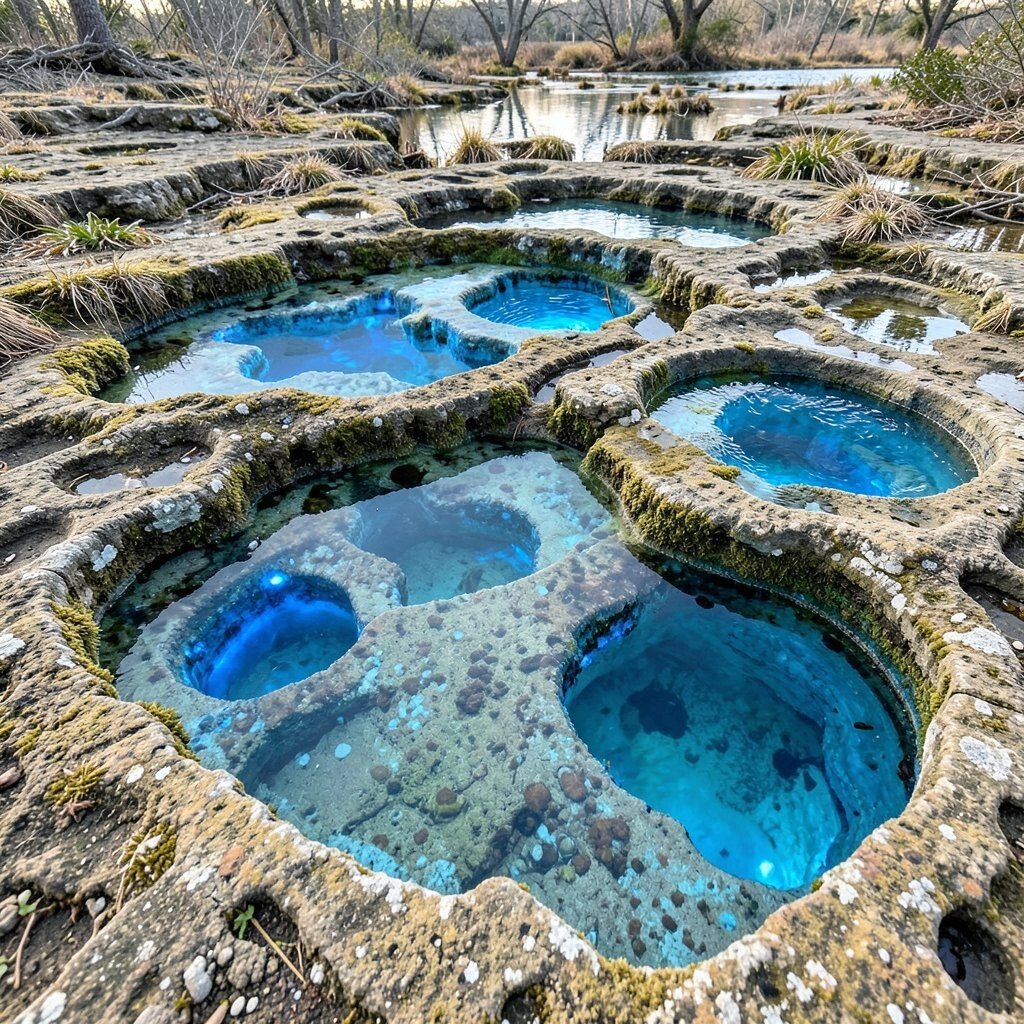
On the South Carolina coast, tide pools can be bright with reds, greens, and sometimes a faint bluish glow from living plankton when conditions align. It’s the kind of place where the visuals feel almost magical after the waves return.
For uniqueness, focus on timing your walk near dusk, since marine activity can shift with changing light. Keep your movements gentle and slow so animals remain in place as the water level rises again.
Personalization is easy because you can choose a “night-sky mindset,” noticing how reflective water turns colors into shimmer. Costs are usually low, and you can save money by using a simple headlamp with a red mode rather than buying fancy lighting.
12. Maine’s Shimmering Lobster-Ledgers
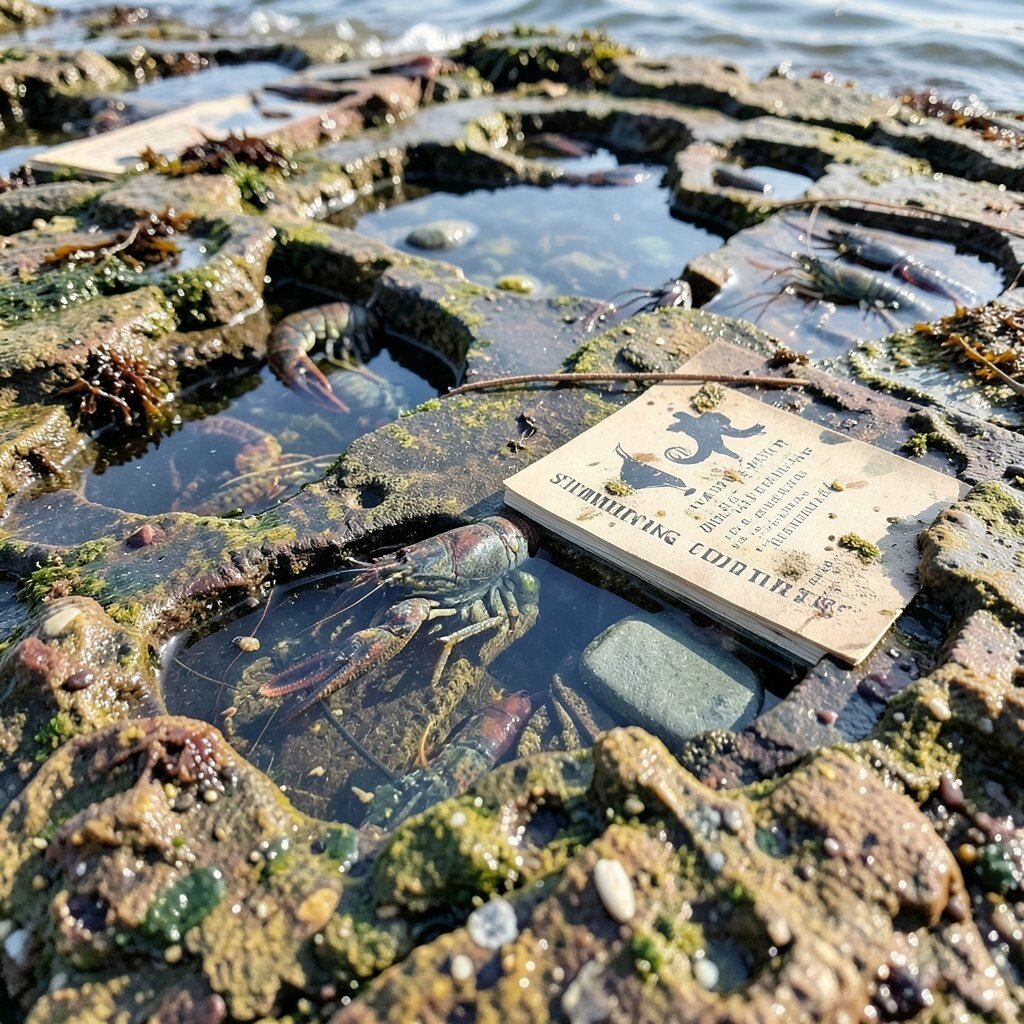
Maine tide pools can look like careful sketches, with waves carving lines into rock around small basins. You might spot sea stars, small anemones, and dense algae that forms a soft green border.
The benefits come from the steady, practical rhythm of the coast, where low tide often gives enough time to enjoy without rushing. Wear boots with thick soles and bring a small mesh bag to carry a few observation items like a ruler or magnifier you won’t use to touch living things.
For cost considerations, a basic waterproof camera can do the job, and you can skip costly kits if you simply practice patient looking. Current trends also include sharing tide pool stories online with location tags, which can help others learn safe timing and routes.
13. Florida Keys Coral Fringe Pools
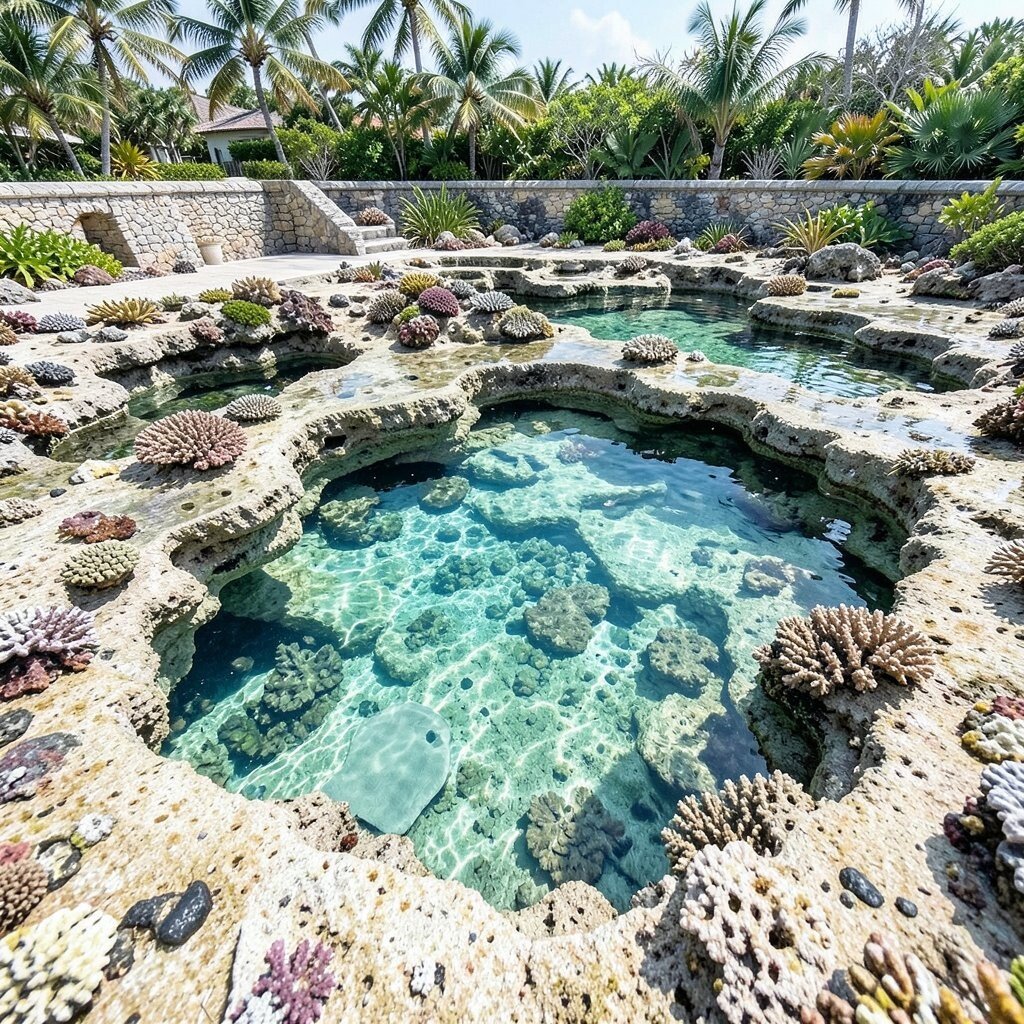
In the Florida Keys, tide pools can feel like bright little gardens where sand meets rock. You may see pale shells, colorful algae, and occasional glimpses of life that looks like it belongs in a reef, even in a shallow basin.
Unique sightings are more likely here when the water is clear, so consider planning your visit around good weather. Keep a respectful distance, since coral and living organisms can be easily harmed by careless steps or touching.
Personalize your trip by picking one “habitat style” to focus on, like sandy edges versus rock ledges, and compare what lives in each. Costs may include snorkel rentals if you want extra viewing, but you can keep it simple by bringing a mask you already own.
14. Long Island Sound Swirl Hollows
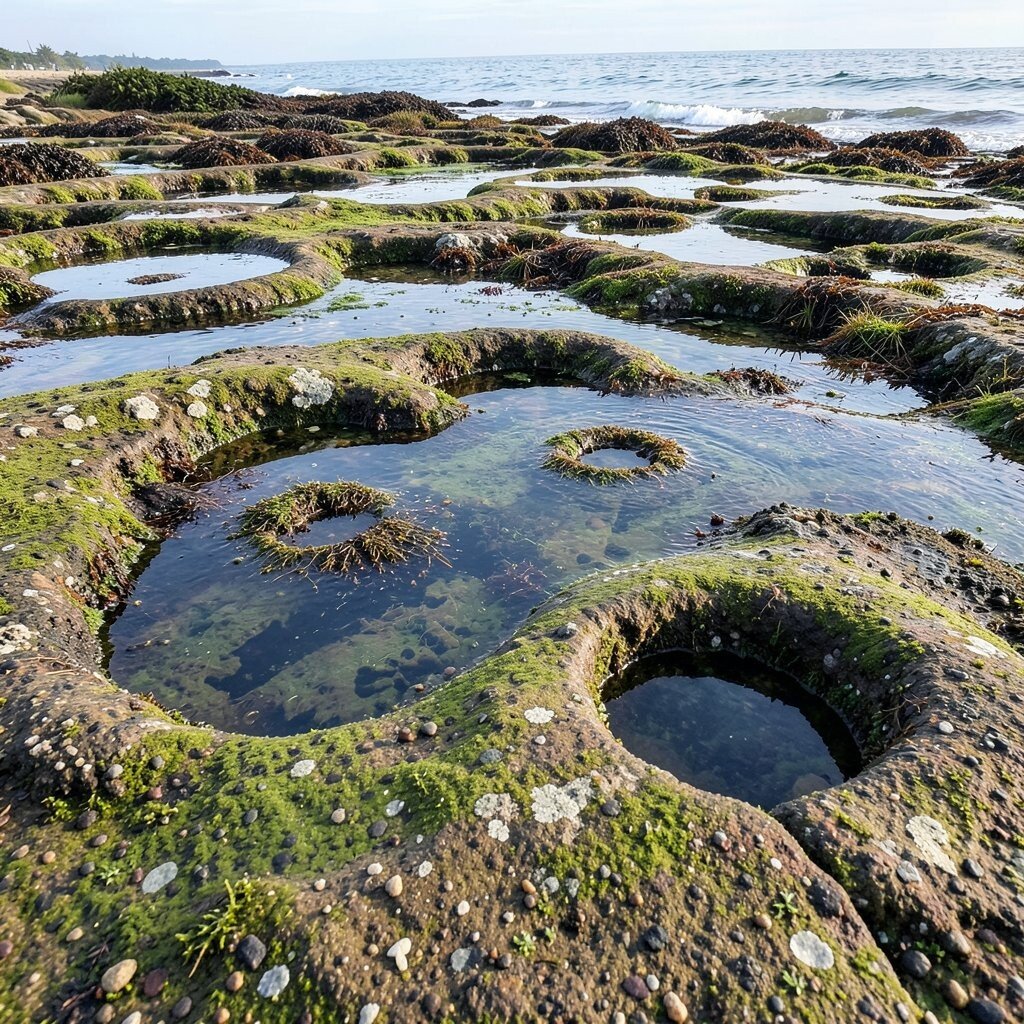
Long Island Sound has tide pools that can form in sheltered areas, creating calm little swirls in the rock. The visuals often include fine sand patterns and seaweed clumps that look like tiny forests.
A major benefit is how walkable many areas are, especially if you choose a spot with clear paths and fewer obstacles. Bring water shoes and a small trash pouch so you can help keep the shoreline clean without needing any special permits.
15. San Juan Islands Tidal Playgrounds
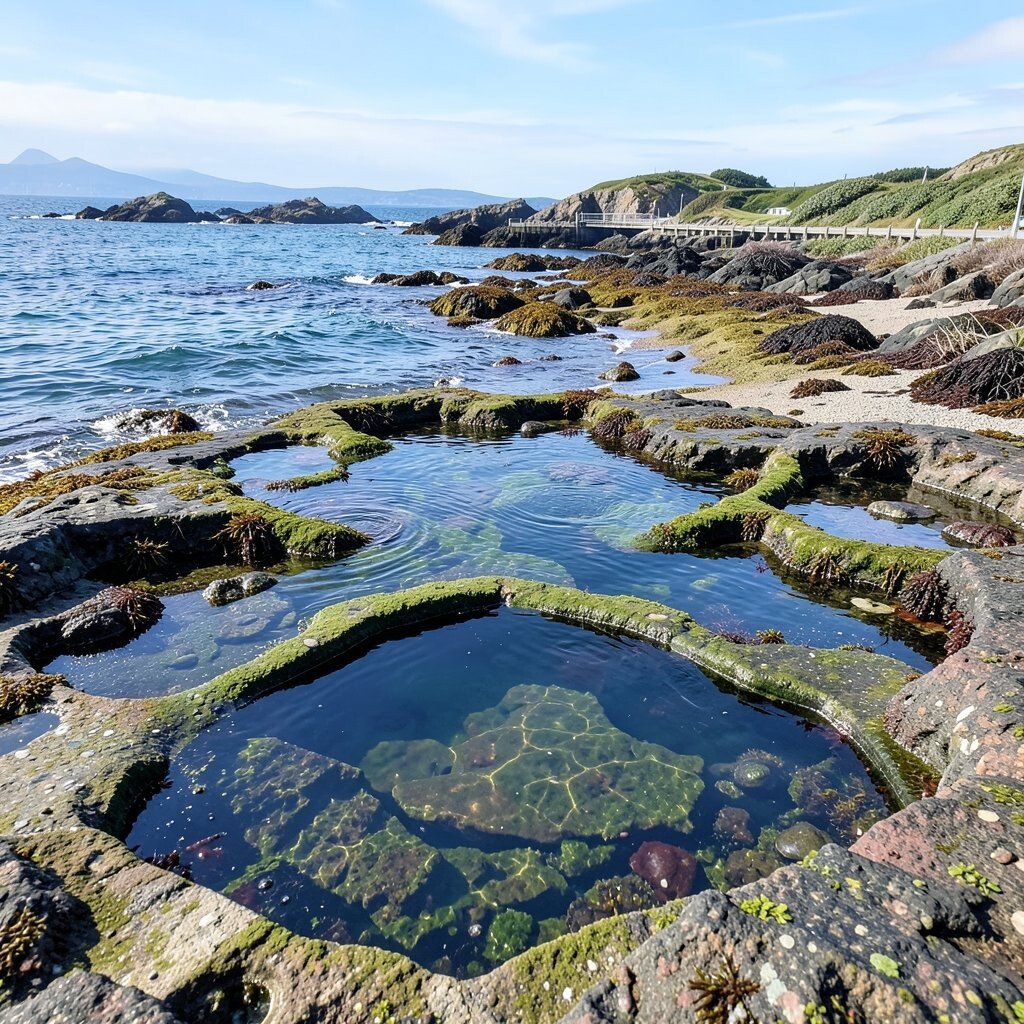
In the San Juan Islands, tide pools can feel like pockets of calm surrounded by dramatic waves. When the water pulls back, the rock turns into a stage for sea stars, limpets, and small schools of fry-like movement.
For uniqueness, the mix of marine life can feel rich, and you’ll often notice how different species prefer different textures of rock. Keep an eye on the return tide and plan your route so you never feel trapped between the ocean and the path.
Personalization can be fun if you carry a small “question list,” like wondering which animals cling closest to shade. Cost-wise, you can reduce spending by using a map app and going with a group, since shared transport and shared guides add up quickly.
16. Galápagos-Style Rock Basins by Proxy
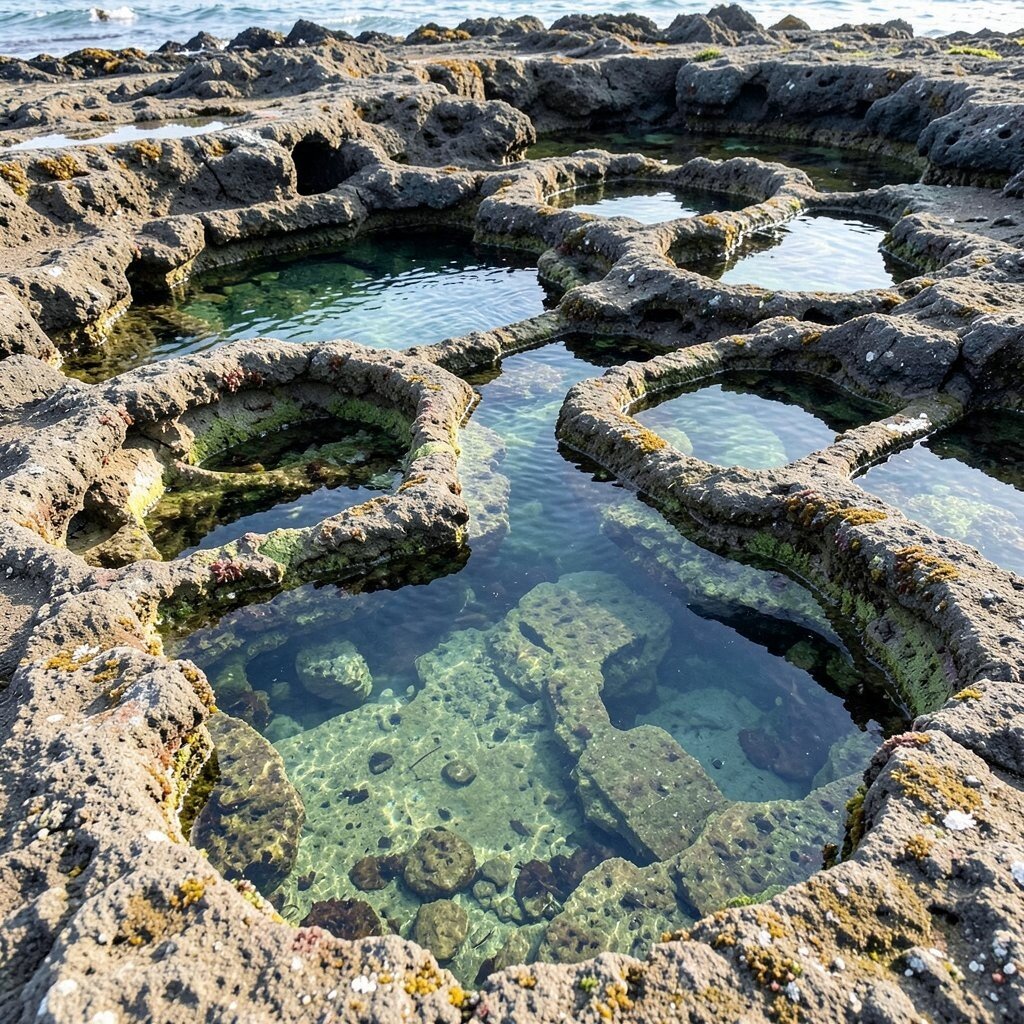
Even if you’re not on distant islands, you can find tide pools with Galápagos-like energy in places that have volcanic rock and ocean currents. The look is often rugged, with dark stone and bright life that seems to pop against the background.
The benefit of chasing this vibe is that volcanic coastlines can deliver striking contrasts in color and shape. Practical tips help a lot here, so choose a safe access point, stay on stable rock, and practice slow scanning rather than rushing toward the biggest flash.
For personalization, build a “mini-collection” of sketches in a small sketchbook, focusing on how each animal holds its spot. If you want to keep costs down, use free tide data online and bring simple tools like a magnifier, because careful looking beats expensive gear.